


 | ||
| 9th October 2026 | view in browser | ||
| Cheaper money, tougher questions | ||
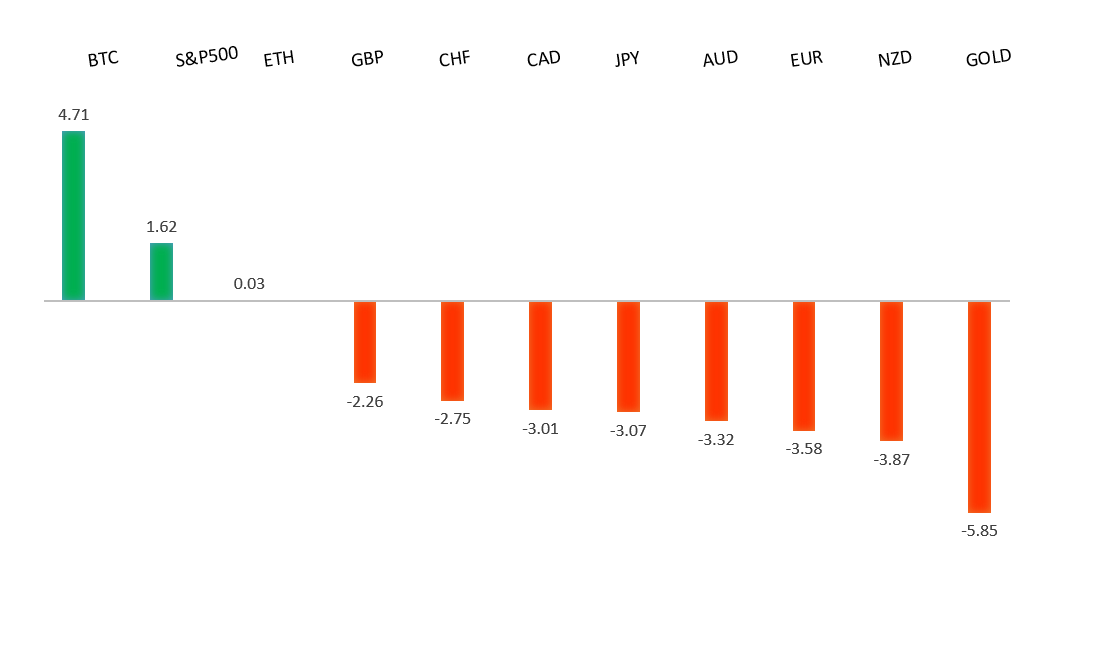
| Markets head into Friday with a softer dollar and easing yields offering some relief, while doubts over the AI rally and lingering Middle East risks keep sentiment cautious. | ||
| Performance chart 30day v. USD (%) | ||
 | ||
| Technical & fundamental highlights | ||
| EURUSD: technical overview | ||
| The Euro continues to show signs of wanting to carve out a major bottom after trading down to a 20-year low in 2022. Setbacks should be exceptionally well supported above 1.1200 on a weekly close basis ahead of the next major upside extension back above 1.2000. | ||
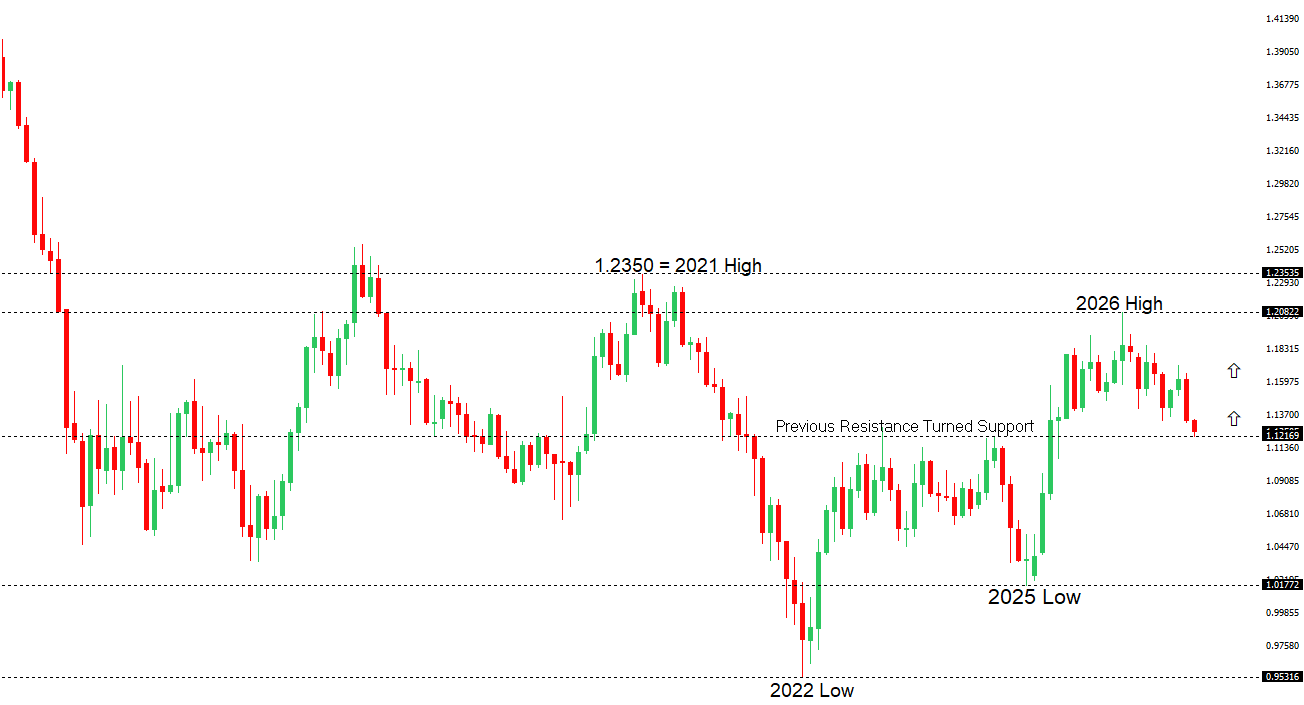 | ||
| R2 1.1337 - 1 October high - Medium R1 1.1286 - 2 October high - Medium S1 1.1161 - 4 Octoberber/2026 low - Strong S2 1.1100 - Figure - Strong | ||
| EURUSD: fundamental overview | ||
| The euro is holding firmer as reduced expectations for an October Fed rate hike take some pressure off the dollar, although the broader fundamental backdrop remains mixed. Persistent eurozone inflation and a firmer growth outlook support expectations for further ECB tightening, helping limit the drag from interest rate differentials. However, concerns over France’s ability to contain its budget deficit, alongside a widening French borrowing premium over Germany, continue to weigh on confidence in the single currency. Stronger US growth and Fed signals that further hikes remain necessary also constrain the euro’s upside, even if the pace of tightening becomes more gradual. Friday’s US consumer sentiment and inflation expectations readings are the next focus for assessing whether the dollar’s softer tone can persist. | ||
| GBPUSD: technical overview | ||
| The Pound remains exceptionally well supported on dips into the 1.3000 area, with the price largely consolidating above the psychological barrier and previous resistance turned support in the form of the 2023 high. Look for the market to continue be well supported on dips ahead of the next major upside extension through the yearly high at 1.3870 and towards a retest of the 2018 high at 1.4377 further up. Only a monthly close below 1.3000 negates. | ||
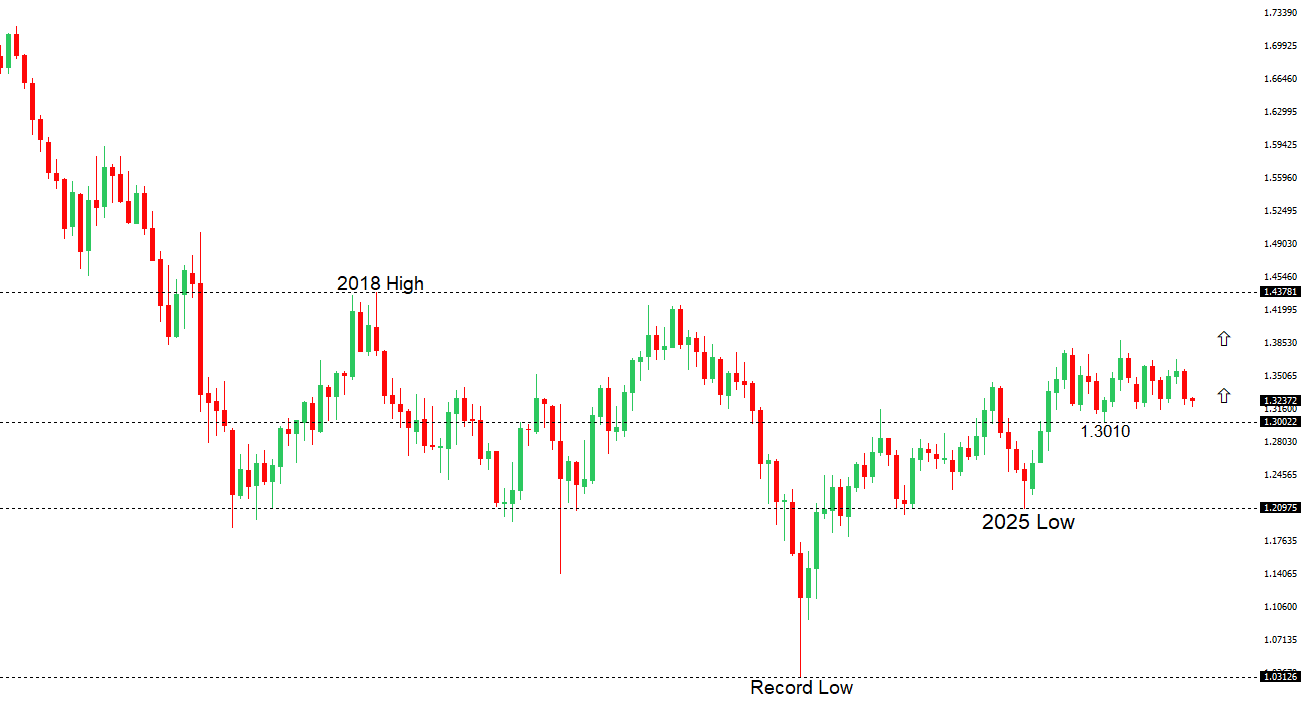 | ||
| R2 1.3407 - 17 September high - Medium R1 1.3312 - 30 September high - Medium S1 1.3181 - 1 October low - Medium S2 1.3140 - 24 June/2026 low - Strong | ||
| GBPUSD: fundamental overview | ||
| Sterling is recovering modestly as softer US rate expectations weigh on the dollar, with Fed Governor Waller signaling flexibility over the pace of further tightening and leaving room for an October pause. However, the pound’s domestic backdrop remains challenging, with elevated long-term borrowing costs and renewed concerns over the UK’s fiscal position keeping attention on the forthcoming Budget. Uncertainty over potential tax increases and the government’s ability to manage fiscal pressures could limit sterling’s recovery. Meanwhile, Musalem’s call for further Fed tightening underscores that a pause would not necessarily signal an end to rate increases, leaving the dollar sensitive to today’s US consumer sentiment and inflation expectations readings. | ||
| USDJPY: technical overview | ||
| The recent breakdown below 155.00 suggests the market could be on the verge of a bigger structural shift, with the possibility for an end to a longer-term uptrend and the start to a period of persistent weakness. Critical support now comes in the form of the 2026 low from January at 151.97, with a drop below to strengthen the bearish outlook and open the door for a major downside extension targeting the 2024 low at 139.58. The market would need to get back above 160.00 to take the immediate pressure off the downside. | ||
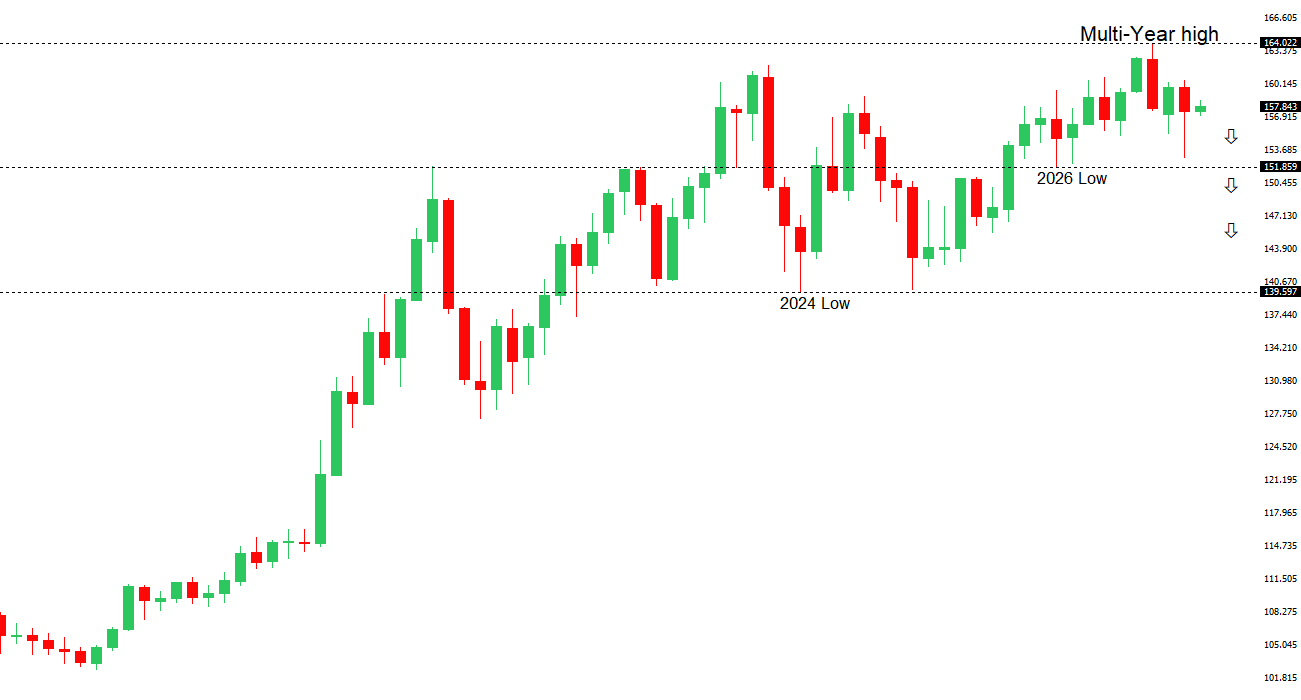 | ||
| R2 159.04 - 24 September high - Strong R1 158.52 - 7 October high - Medium S1 156.37 - 30 September low - Medium S2 155.33 - 17 September low - Medium | ||
| USDJPY: fundamental overview | ||
| The yen is caught between weak domestic consumption and expectations for further Bank of Japan tightening, with a softer dollar and lower US Treasury yields offering some support. Japan’s household spending fell for a ninth consecutive month in August, although the smaller-than-expected decline and an eighth straight increase in real wages suggest the foundations for further rate increases remain intact. The BoJ’s September hike came with less hawkish guidance than markets had hoped, but gradual tightening is still reducing the yen’s appeal as a funding currency, while the threat of intervention is discouraging aggressive selling. Lower oil prices also offer relief for Japan’s energy import bill, though expectations for another Fed hike in December and lingering US-Iran tensions continue to favor the dollar. Attention now turns to US consumer sentiment, inflation expectations and Fed commentary for the next shift in interest rate expectations. | ||
| AUDUSD: technical overview | ||
| There are signs of the formation of a longer-term base with the market recovering out from a meaningful longer-term support zone. The latest monthly close back above 0.7000 takes the big picture pressure off the downside and strengthens the case for a bottom, with the focus now on a push towards 0.8000. Setbacks should now be well supported ahead of 0.6700. | ||
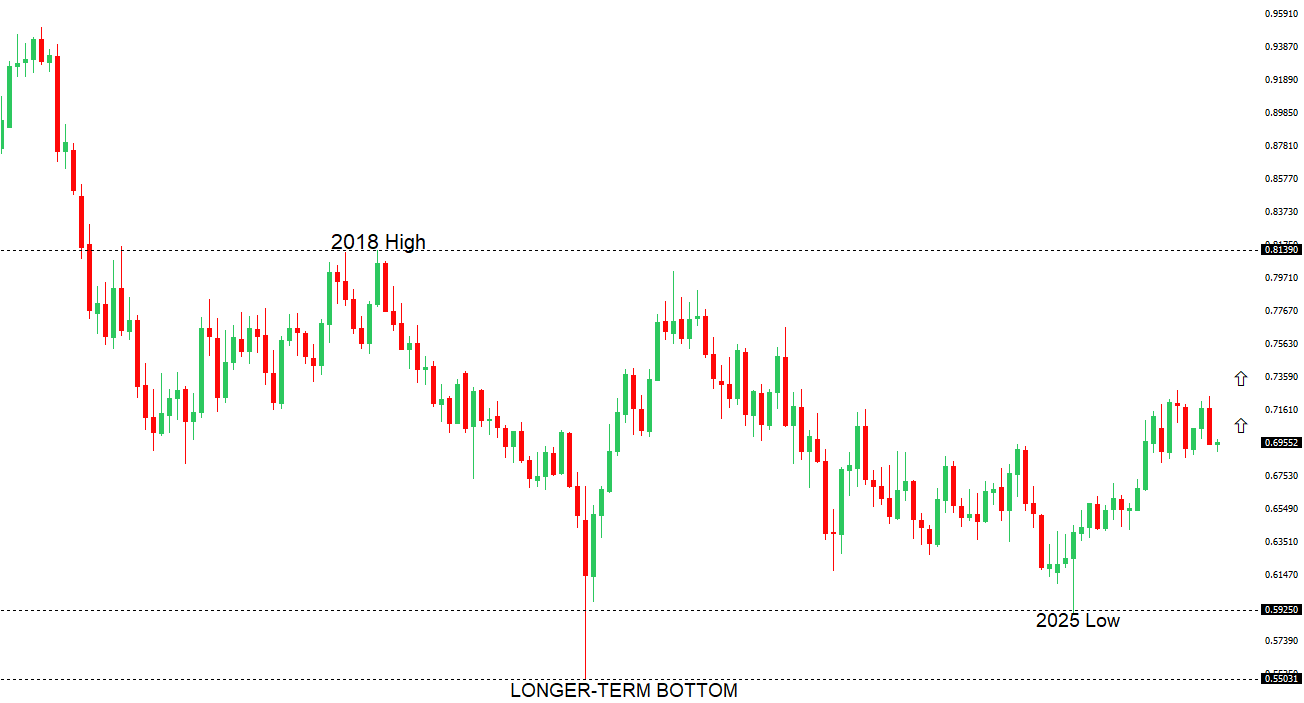 | ||
| R2 0.7142 - 15 September high - Strong R1 0.6995 - 30 September high - Medium S1 0.6904 - 1 October low - Medium S2 0.6865 - 30 June low - Strong | ||
| AUDUSD: fundamental overview | ||
| The Australian dollar is finding modest support from a softer US dollar and lower Treasury yields, with strong demand at the US 30-year bond auction helping ease yields and reduced expectations of immediate US military action against Iran tempering oil prices and inflation concerns. However, the recovery remains fragile as fading expectations for another RBA rate hike limit support from Australian interest rates, while the Fed’s hawkish stance continues to underpin the greenback. Persistent Middle East tensions also leave the risk-sensitive Aussie vulnerable to renewed demand for safe havens, keeping the balance between US yield relief and geopolitical uncertainty central to its near-term outlook. | ||
| Suggested reading | ||
| Finland’s subterranean nuclear waste solution, R. Milne, Financial Times (October 6, 2026) Higher Yields Taking Their Toll Everywhere But Tech, M. Kramer, Marketwatch (October 8, 2026) | ||