


 | ||
| 3rd September 2026 | view in browser | ||
| Investors find relief but major event risk ahead | ||
| Global markets come into Thursday with a cautiously improved risk tone as oil and bond yields ease, although US-Iran tensions and uncertainty over the Fed outlook continue to drive FX, equities and commodities ahead of Friday’s US jobs report. | ||
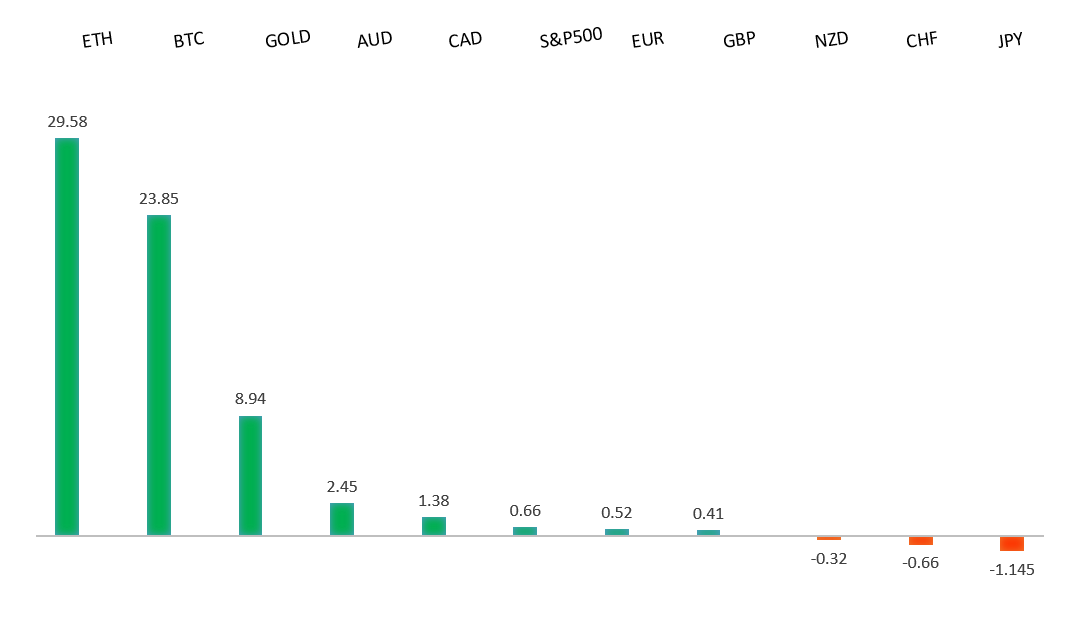
| Performance chart 30day v. USD (%) | ||
 | ||
| Technical & fundamental highlights | ||
| EURUSD: technical overview | ||
| The Euro outlook remains constructive with higher lows sought out on dips in favor of the next major upside extension targeting the 2021 high at 1.2350. Setbacks should be exceptionally well supported ahead of 1.1400. | ||
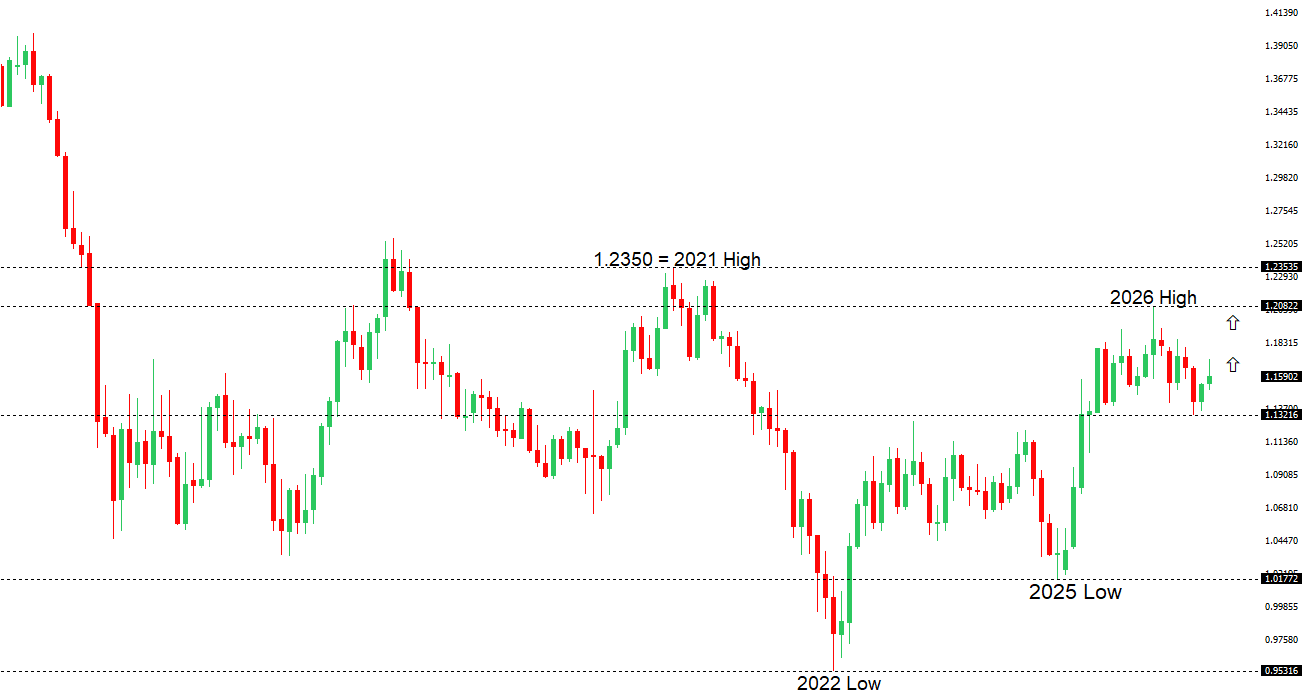 | ||
| R2 1.1712 - 21 August high - Strong R1 1.1660 - 27 August high - Medium S1 1.1566 - 2 September low - Medium S2 1.1512 - 313 August low - Strong | ||
| EURUSD: fundamental overview | ||
| The euro has steadied below 1.1600 against the dollar but remains under pressure as widening rate expectations and geopolitical risks offset increasingly hawkish signals from the ECB. Fed Chair Kevin Warsh’s warning that further tightening may be necessary if inflation does not return convincingly toward target has driven a sharp rise in expectations for a September Fed hike, supporting US yields and the dollar. At the same time, escalating US-Iran tensions and higher oil prices are weighing on the euro through safe-haven dollar demand and renewed concerns over the terms-of-trade impact on the energy-importing eurozone. ECB officials have also kept the door open to further tightening, with Makhlouf warning that rates may need to rise if inflation moves in the wrong direction and Nagel pointing to strong expectations for a September hike. This ECB repricing is providing some underlying support, but for now the dollar’s yield advantage, elevated oil prices and geopolitical uncertainty are keeping EUR/USD gains contained ahead of US ISM Services and Friday’s employment report. | ||
| GBPUSD: technical overview | ||
| The Pound remains exceptionally well supported on dips into the 1.3000 area, with the price largely consolidating above the psychological barrier and previous resistance turned support in the form of the 2023 high. Look for the market to continue be well supported on dips ahead of the next major upside extension through the yearly high at 1.3870 and towards a retest of the 2018 high at 1.4377 further up. Only a monthly close below 1.3000 negates. | ||
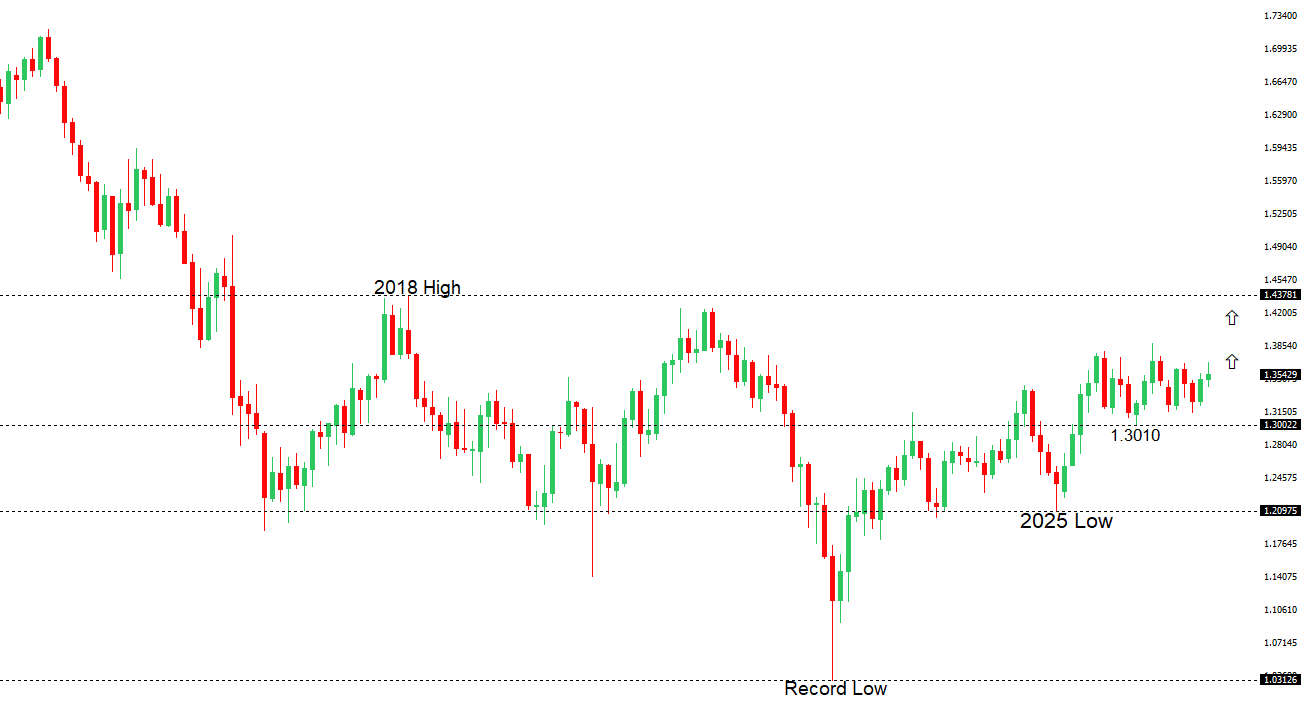 | ||
| R2 1.3676 - 21 August high - Strong R1 1.3566 - 31 August high - Medium S1 1.3474 - 13 August low - Medium S2 1.3400 - 31 July low - Medium | ||
| GBPUSD: fundamental overview | ||
| The pound remains under pressure near a three-week low against the dollar, driven primarily by renewed US dollar demand as hawkish Fed expectations and escalating US-Iran tensions reinforce the greenback’s yield and safe-haven appeal. Sterling is also facing domestic headwinds from a sharp rise in UK gilt yields, with higher borrowing costs intensifying concerns over the government’s limited fiscal headroom ahead of the October budget. The Bank of England is expected to leave rates unchanged this month, although persistent inflation and rising energy costs have kept the possibility of another hike later this year alive, providing the pound with some underlying support. For now, however, mixed UK activity data and fiscal uncertainty leave GBPUSD largely dependent on US developments, with the ISM Services PMI and Friday’s employment report set to shape Fed expectations and the pair’s next move. | ||
| USDJPY: technical overview | ||
| The major pair has entered a period of correction and consolidation after extending its run to fresh multi-decade highs at 163.99. Setbacks are now expected to be well supported above 155.00, with only a break below to compromise the bullish structure. | ||
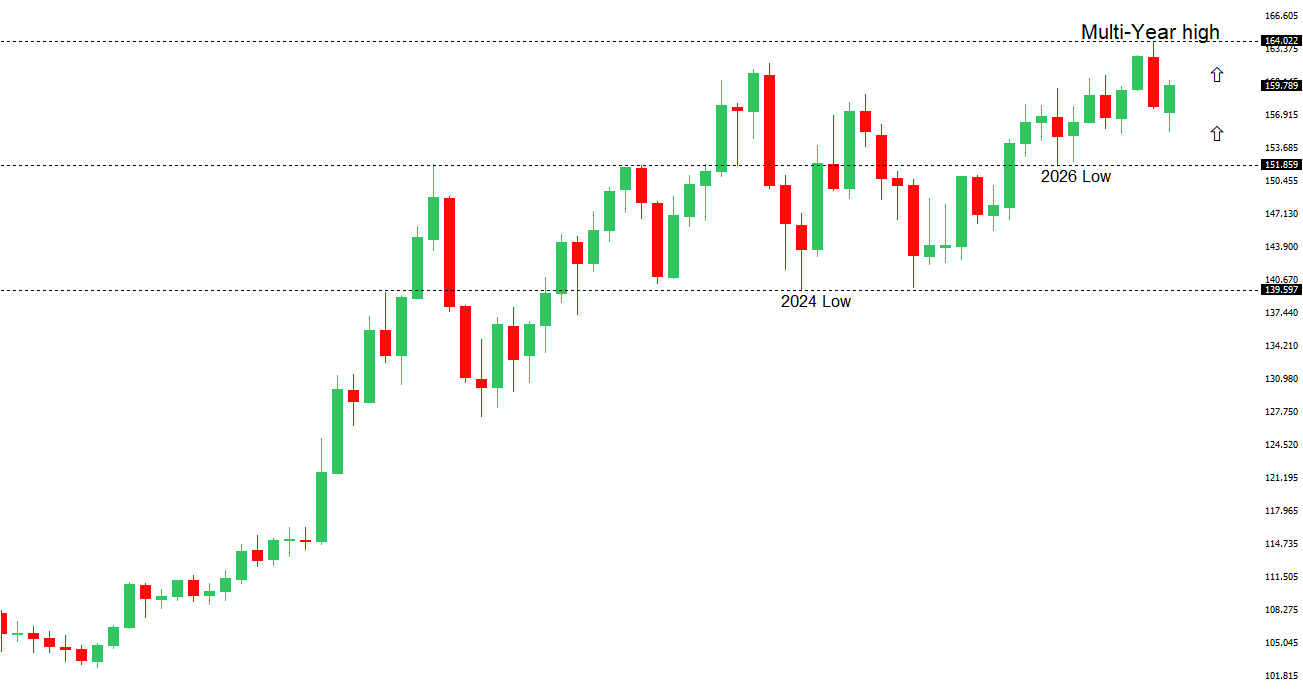 | ||
| R2 160.40 - 2 September high - Strong R1 158.97 - 3 September high - Medium S1 157.95 - 3 September low - Medium S2 156.67 - 7 August low - Strong | ||
| USDJPY: fundamental overview | ||
| The yen has been one of the stronger major currencies today, extending its rebound from the 160.00 area as intervention concerns, increasingly hawkish Bank of Japan signals and stronger domestic data reinforce expectations for a rate hike in mid-September. Japan’s services PMI rose to a five-month high of 52.5 in August, while near-record increases in selling prices strengthened the case for further tightening and helped offset the dollar support coming from Fed hike expectations. However, the wider yen outlook remains constrained by the still-large US-Japan interest-rate differential, concerns that rising Japanese bond yields partly reflect fiscal and debt-supply risks, and higher oil prices for energy-importing Japan. Intervention risk should continue to discourage aggressive yen selling near 160.00, but July’s intervention experience suggests official action alone is unlikely to produce a lasting reversal. Near-term direction will now depend heavily on US labor data and Fed commentary, with weak figures potentially extending the yen’s recovery and resilient data threatening a renewed move higher in USDJPY. | ||
| AUDUSD: technical overview | ||
| There are signs of the formation of a longer-term base with the market recovering out from a meaningful longer-term support zone. The latest monthly close back above 0.7000 takes the big picture pressure off the downside and strengthens the case for a bottom, with the focus now on a push towards 0.8000. Setbacks should now be well supported ahead of 0.6700. | ||
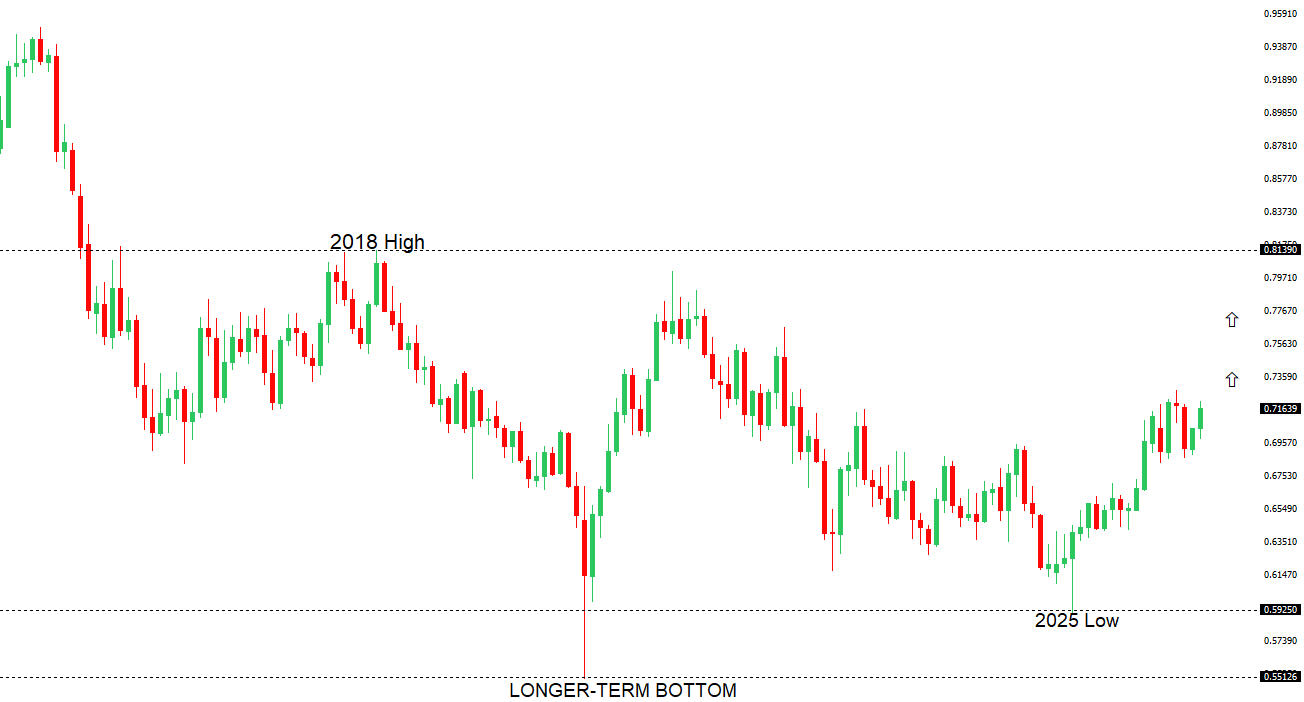 | ||
| R2 0.7222 - 17 April high - Medium R1 0.7208 - 28 August high - Medium S1 0.7121 - 2 September low - Medium S2 0.7067 - 19 August low - Medium | ||
| AUDUSD: fundamental overview | ||
| The Australian dollar has been underpinned by rising expectations that the RBA may need to tighten policy further after hotter-than-expected inflation and stronger second-quarter growth, helping the currency outperform despite a generally firm US dollar. Domestic data offered modest additional support, with Australia’s July trade surplus of A$1.92 billion exceeding forecasts, while China’s services PMI improved to 51.4, although neither release generated a significant market reaction. The upside has remained contained by growing expectations for a September Fed rate hike and escalating US-Iran tensions, which have supported the dollar through higher US yields and safe-haven demand. Attention now turns to the US ISM Services PMI and Friday’s payrolls report, which should help determine whether AUDUSD can extend its recovery or remains capped around current levels. | ||
| Suggested reading | ||
| AI’s Market Path Will Get Bumpier, M. El-Erian, Project Syndicate (September 2, 2026) When the US stopped backing its money with silver?, G. Tett, Financial Times (September 2, 2026) | ||