


 | ||
| 2nd September 2026 | view in browser | ||
| Dollar gains as risk sentiment deteriorates | ||
| Escalating US-Iran tensions are driving oil and bond yields higher, supporting the dollar and weighing on global equities as markets price a growing risk of renewed inflation and further central bank tightening. | ||
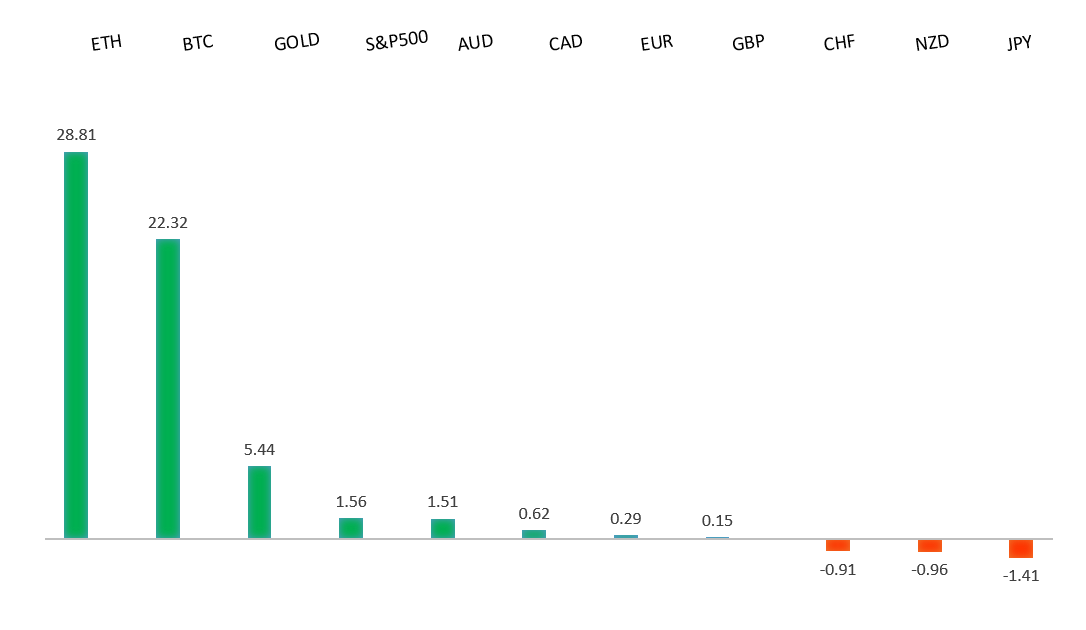
| Performance chart 30day v. USD (%) | ||
 | ||
| Technical & fundamental highlights | ||
| EURUSD: technical overview | ||
| The Euro outlook remains constructive with higher lows sought out on dips in favor of the next major upside extension targeting the 2021 high at 1.2350. Setbacks should be exceptionally well supported ahead of 1.1400. | ||
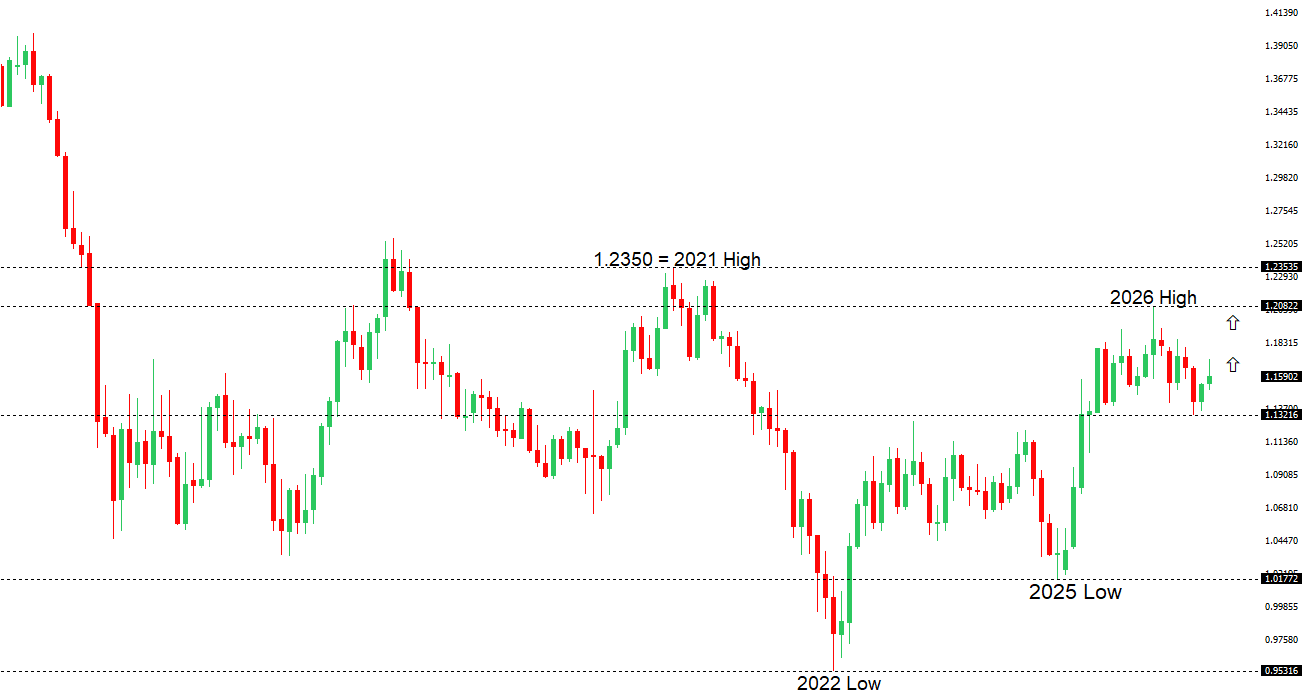 | ||
| R2 1.1712 - 21 August high - Strong R1 1.1660 - 27 August high - Medium S1 1.1567 - 18 August low - Medium S2 1.1512 - 313 August low - Strong | ||
| EURUSD: fundamental overview | ||
| The euro has remained under pressure against the dollar as escalating US-Iran tensions, higher oil prices and rising Treasury yields reinforce safe-haven demand for the greenback and expectations of another Federal Reserve rate hike. The euro’s losses have been limited by a more hawkish ECB outlook after headline Eurozone inflation accelerated from 2.9% to 3.3% in August, strengthening the case for a 25-basis-point rate increase at next week’s meeting, although the decline in core inflation to 2.4% suggests underlying pressures remain better contained. The energy shock is therefore a mixed fundamental for the euro. It supports ECB tightening expectations and European yields in the near term, but also raises concerns about the region’s growth outlook and terms of trade. For now, relative rate expectations and geopolitical demand continue to favor the dollar, with attention turning to this week’s US labor-market data for the next directional catalyst. | ||
| GBPUSD: technical overview | ||
| The Pound remains exceptionally well supported on dips into the 1.3000 area, with the price largely consolidating above the psychological barrier and previous resistance turned support in the form of the 2023 high. Look for the market to continue be well supported on dips ahead of the next major upside extension through the yearly high at 1.3870 and towards a retest of the 2018 high at 1.4377 further up. Only a monthly close below 1.3000 negates. | ||
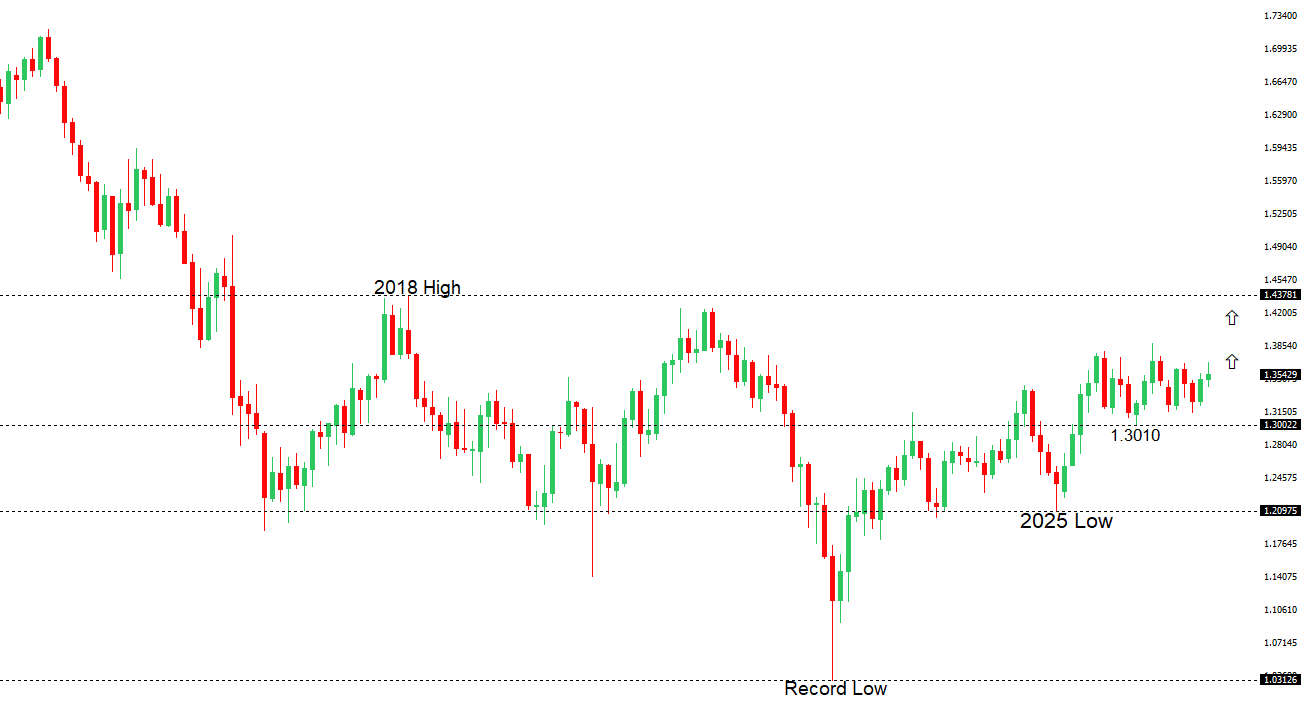 | ||
| R2 1.3676 - 21 August high - Strong R1 1.3603 - 27 August high - Medium S1 1.3500 - Psychological - Medium S2 1.3474 - 13 Augus low - Medium | ||
| GBPUSD: fundamental overview | ||
| The pound has remained under pressure, as the renewed escalation in US-Iran hostilities has driven demand for the safe-haven dollar and weighed on broader risk sentiment. Sterling has also received limited support from the domestic policy outlook after Bank of England Governor Andrew Bailey said second-round inflation effects remain subdued and pointed to the continued softening in the labor market, suggesting the Bank can afford to monitor the situation rather than respond urgently. Although markets continue to price additional BoE tightening over the coming months, Bailey’s cautious comments have tempered the pound’s relative rate advantage. Near-term direction is likely to remain heavily influenced by geopolitical developments and Friday’s US employment report, which will shape expectations for Federal Reserve policy and the dollar. | ||
| USDJPY: technical overview | ||
| The major pair has entered a period of correction and consolidation after extending its run to fresh multi-decade highs at 163.99. Setbacks are now expected to be well supported above 155.00, with only a break below to compromise the bullish structure. | ||
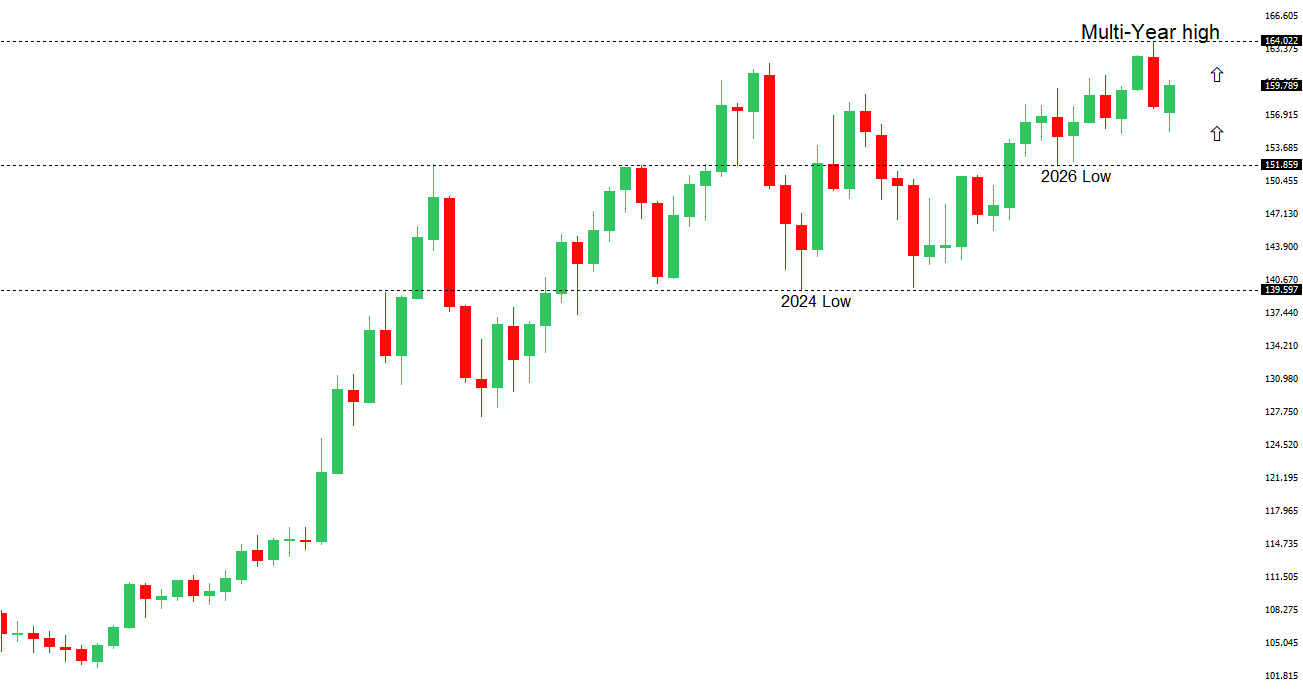 | ||
| R2 160.89 - 31 July high - Strong R1 160.40 - 2 September high - Medium S1 158.88 - 26 August low - Medium S2 158.02 - 20 August low - Strong | ||
| USDJPY: fundamental overview | ||
| The yen remains under heavy pressure, with USDJPY trading above 160 at its highest level since late July. Fiscal concerns have intensified after the global bond selloff pushed Japan’s 10-year yield to 3% for the first time since 1996, raising questions about the cost of servicing the country’s enormous debt burden as the government pursues aggressive investment plans. Expectations for a Bank of Japan rate hike this month have strengthened, helped by mounting pressure from US officials, but this has provided little support given Japan’s persistently wide yield disadvantage and the yen’s continued role as a funding currency. At the same time, renewed expectations for a Federal Reserve rate hike, rising oil-driven inflation risks and escalating US-Iran tensions are supporting the dollar, leaving the yen vulnerable despite growing intervention risk around current levels. | ||
| AUDUSD: technical overview | ||
| There are signs of the formation of a longer-term base with the market recovering out from a meaningful longer-term support zone. The latest monthly close back above 0.7000 takes the big picture pressure off the downside and strengthens the case for a bottom, with the focus now on a push towards 0.8000. Setbacks should now be well supported ahead of 0.6700. | ||
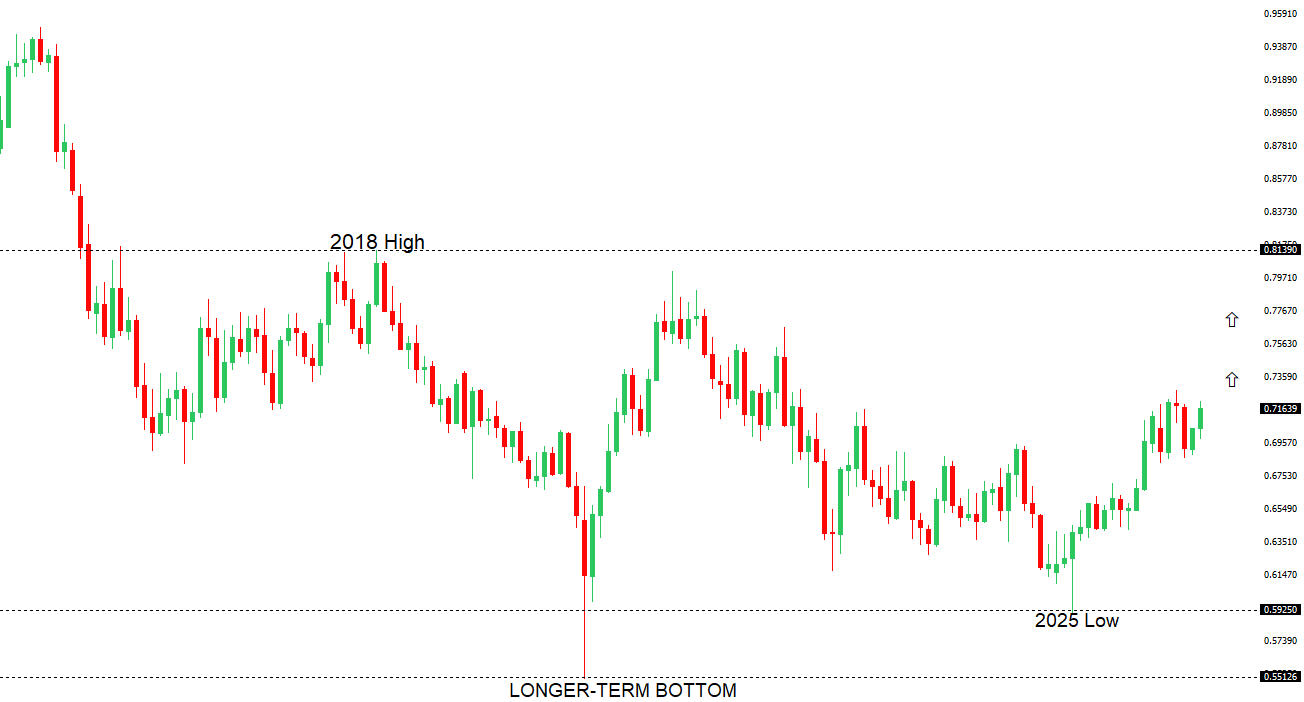 | ||
| R2 0.7222 - 17 April high - Medium R1 0.7208 - 28 August high - Medium S1 0.7138 - 25 August low - Medium S2 0.7067 - 19 August low - Medium | ||
| AUDUSD: fundamental overview | ||
| The Australian dollar has found support from stronger-than-expected domestic growth data, with the economy expanding 0.4% in the second quarter and annual growth of 2.1% also comfortably beating forecasts. The figures reinforce the view that the Australian economy remains resilient and give the RBA additional room to maintain a restrictive policy stance, particularly with inflation risks still elevated. However, the currency’s gains have been limited by renewed US dollar demand as surging oil prices and rising global bond yields revive inflation concerns and support expectations that US interest rates may remain higher for longer. Mixed US data, including softer JOLTS job openings but a still-expansionary ISM manufacturing reading, has done little to meaningfully weaken the dollar, leaving the Australian currency caught between supportive domestic fundamentals and a more challenging global backdrop | ||
| Suggested reading | ||
| Artificial Intelligence Addicts Won’t Be Better Workers, A. Bhide, Project Syndicate (August 31, 2026) Can social media bans protect children online?, D. Thomas, Financial Times (September 1, 2026) | ||