


 | ||
| 4th September 2026 | view in browser | ||
| Payrolls loom as Fed uncertainty drives markets | ||
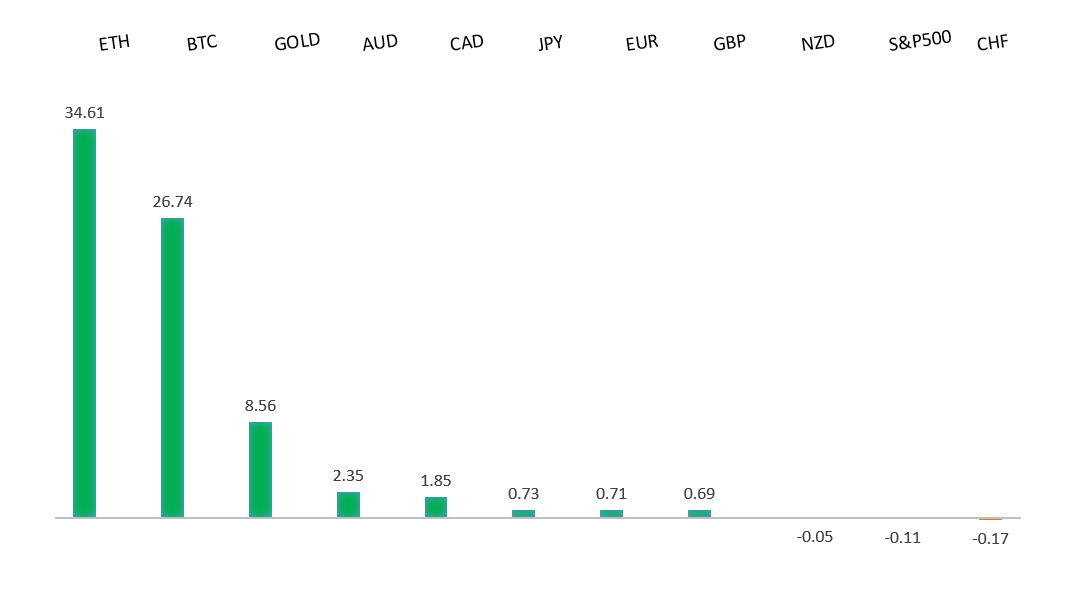
| Global markets head into Friday’s US payrolls report in a cautiously constructive mood, with softer Fed rate-hike expectations weighing on the dollar and yields, supporting equities and gold, while elevated oil prices and Middle East tensions keep inflation and geopolitical risks firmly in focus. | ||
| Performance chart 30day v. USD (%) | ||
 | ||
| Technical & fundamental highlights | ||
| EURUSD: technical overview | ||
| The Euro outlook remains constructive with higher lows sought out on dips in favor of the next major upside extension targeting the 2021 high at 1.2350. Setbacks should be exceptionally well supported ahead of 1.1400. | ||
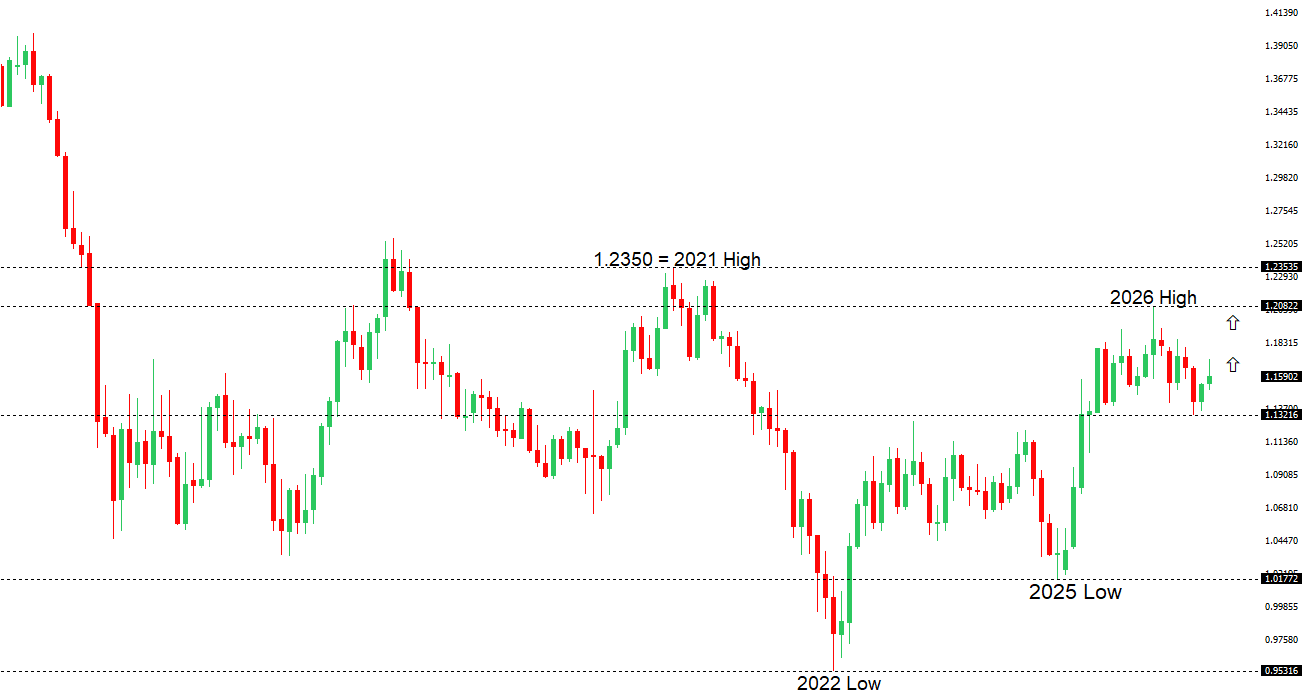 | ||
| R2 1.1712 - 21 August high - Strong R1 1.1660 - 27 August high - Medium S1 1.1566 - 2 September low - Medium S2 1.1512 - 313 August low - Strong | ||
| EURUSD: fundamental overview | ||
| The euro has been steady above 1.1600 against the US dollar, with volatility subdued as markets await the US nonfarm payrolls report for clearer direction on the Federal Reserve’s September policy decision. The single currency has drawn some support from encouraging German factory orders, which rose a stronger-than-expected 2.5% in July, while expectations that the ECB remains prepared to tighten further are also helping underpin the euro. However, upside momentum has been limited by reluctance to sell the dollar ahead of payrolls and next week’s more decisive US inflation data. Attention now turns to Eurozone retail sales and comments from ECB Chief Economist Philip Lane, although the broader direction for EURUSD will likely depend on whether incoming US employment and inflation figures revive or further unwind expectations for a September Fed rate hike. | ||
| GBPUSD: technical overview | ||
| The Pound remains exceptionally well supported on dips into the 1.3000 area, with the price largely consolidating above the psychological barrier and previous resistance turned support in the form of the 2023 high. Look for the market to continue be well supported on dips ahead of the next major upside extension through the yearly high at 1.3870 and towards a retest of the 2018 high at 1.4377 further up. Only a monthly close below 1.3000 negates. | ||
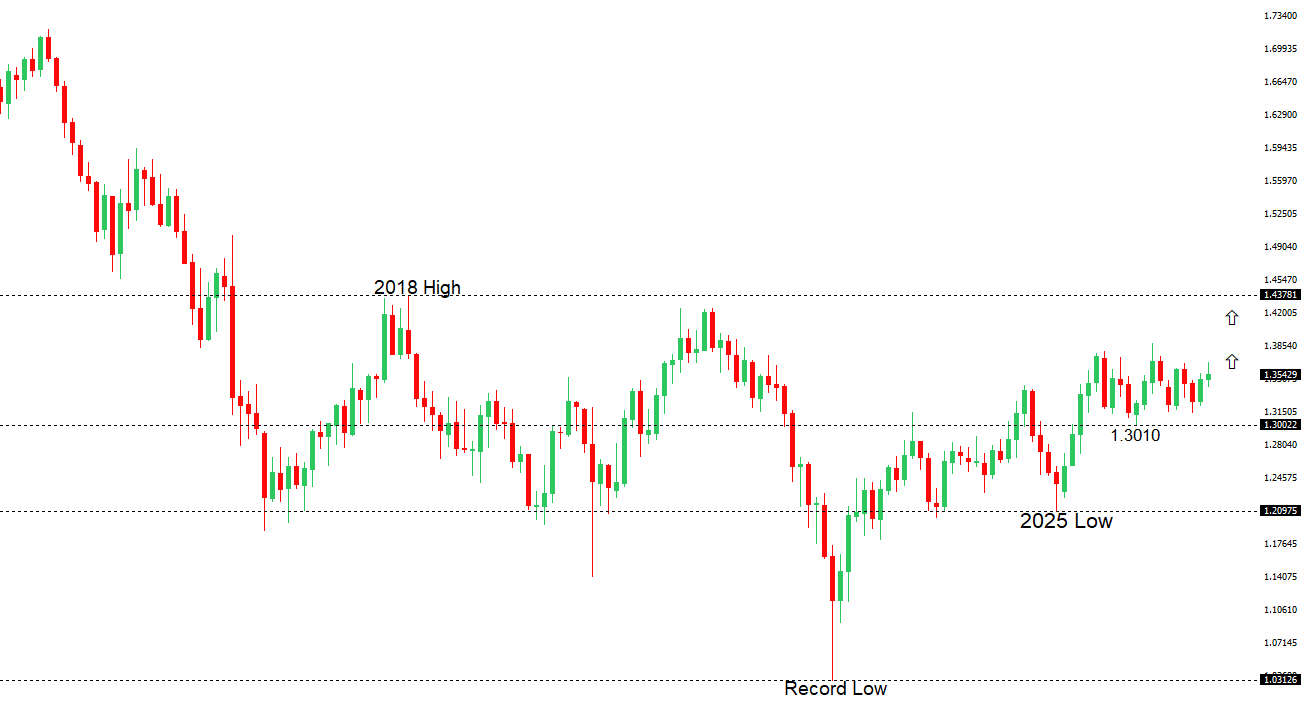 | ||
| R2 1.3676 - 21 August high - Strong R1 1.3566 - 31 August high - Medium S1 1.3474 - 13 August low - Medium S2 1.3400 - 31 July low - Medium | ||
| GBPUSD: fundamental overview | ||
| The pound has regained some ground above 1.3500, supported by a more hawkish Bank of England policy outlook after Chief Economist Pill argued for an early rate increase to prevent inflation from remaining above target. Pill’s preference for raising Bank Rate to 4% reinforces expectations that the BoE could tighten further, with markets assigning only a modest probability to a September move but a much stronger chance of an increase by November. Still, his insistence that an initial hike need not begin a prolonged tightening cycle has tempered the boost to sterling, particularly given uncertainty surrounding the Middle East conflict and its implications for energy prices and growth. With the UK calendar relatively quiet, GBPUSD direction now rests largely on the US August employment report, where a strong result could revive Fed tightening expectations and dollar demand, while a softer payrolls print would give the pound more room to extend its recovery. | ||
| USDJPY: technical overview | ||
| The major pair has entered a period of correction and consolidation after extending its run to fresh multi-decade highs at 163.99. Setbacks are now expected to be well supported around 155.00, with only a weekly close below to compromise the bullish structure. | ||
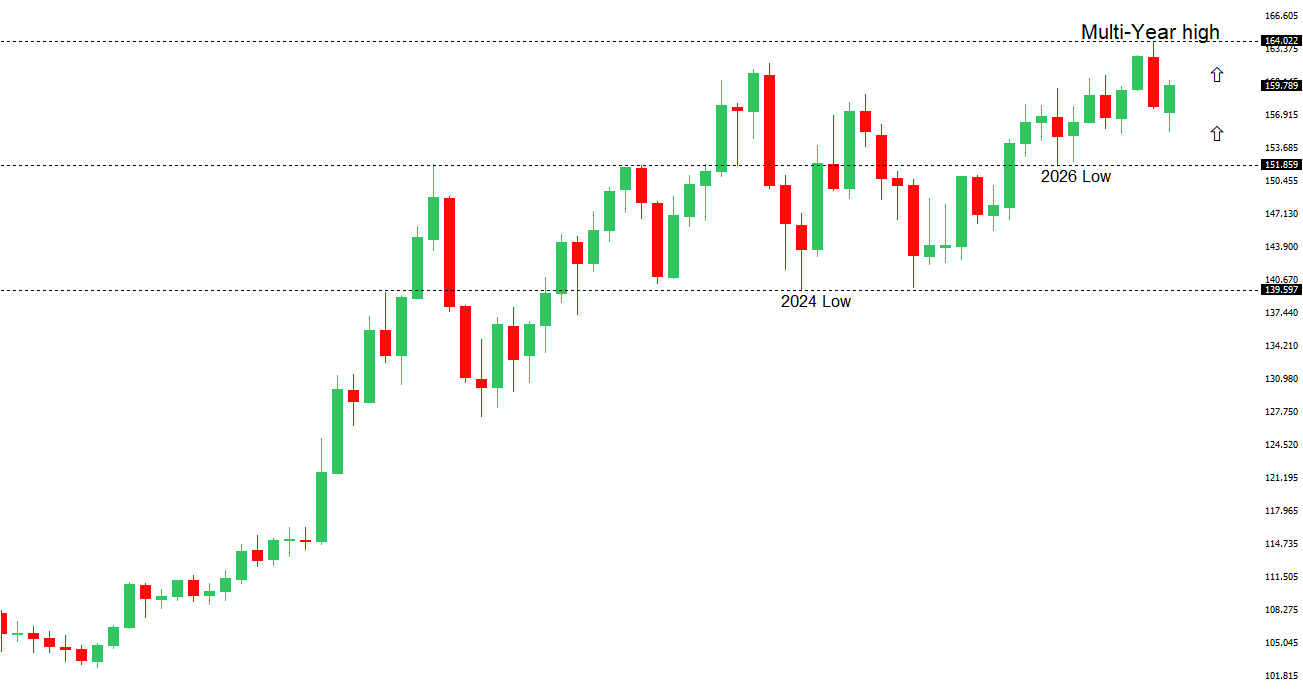 | ||
| R2 158.02 - 20 August low - Strong R1 157.00 - Figure - Medium S1 155.29 - 4 September low - Medium S2 155.00 - Figure - Strong | ||
| USDJPY: fundamental overview | ||
| The yen has been one of the stronger major currencies this week, supported by a sharp hawkish repricing of Bank of Japan policy expectations, softer US Treasury yields and speculation that Japanese authorities may have intervened to support the currency. Markets have moved to fully price a 25-basis-point BoJ rate hike at the September meeting, with the possibility of another increase in December reinforced by stronger Japanese services activity and persistent price pressures. At the same time, Fed Governor Christopher Waller’s more encouraging comments on inflation have reduced expectations for a September Fed hike, narrowing the relative yield advantage of the dollar. The yen has given back some ground ahead of the US payrolls report as traders reduce bearish-dollar positions, but USDJPY remains on course for a sizeable weekly decline, with the broader fundamental balance continuing to favor the yen unless US employment data materially revives Fed tightening expectations. | ||
| AUDUSD: technical overview | ||
| There are signs of the formation of a longer-term base with the market recovering out from a meaningful longer-term support zone. The latest monthly close back above 0.7000 takes the big picture pressure off the downside and strengthens the case for a bottom, with the focus now on a push towards 0.8000. Setbacks should now be well supported ahead of 0.6700. | ||
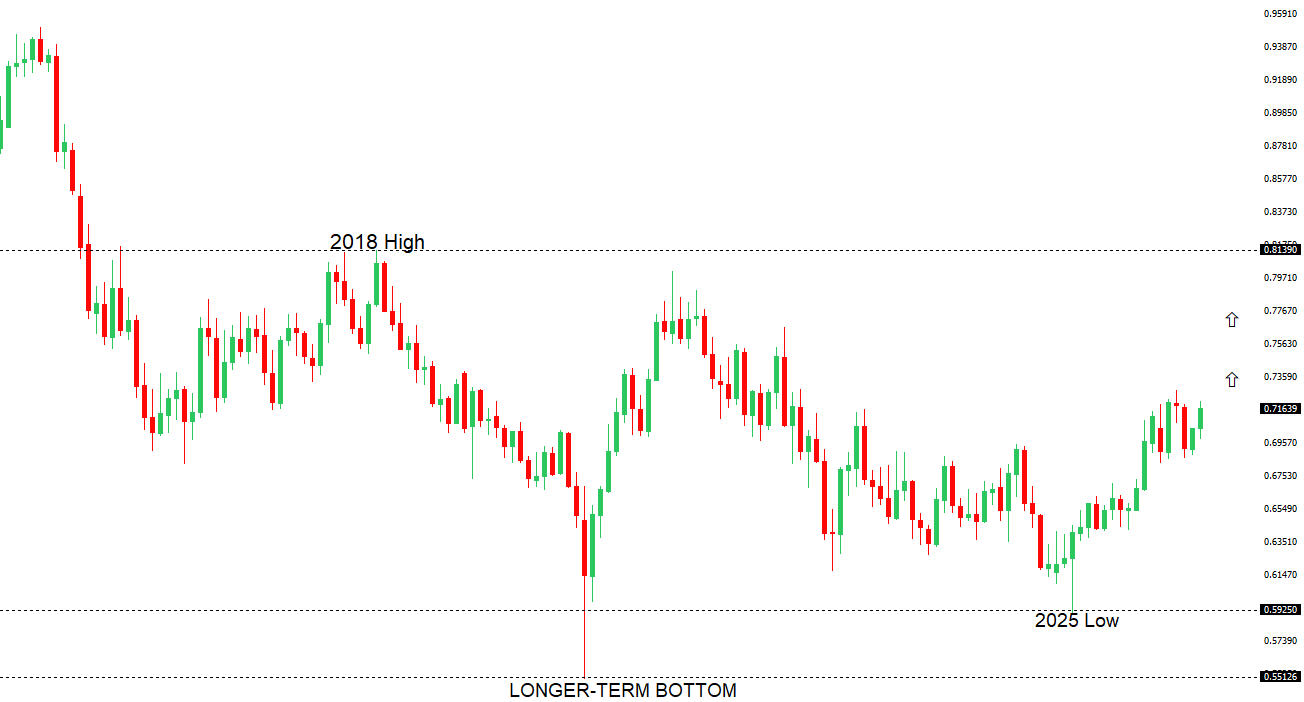 | ||
| R2 0.7222 - 17 April high - Medium R1 0.7215 - 4 September high - Medium S1 0.7121 - 2 September low - Medium S2 0.7067 - 19 August low - Medium | ||
| AUDUSD: fundamental overview | ||
| The Australian Dollar has pushed higher above 0.7200, supported by an increasingly favorable shift in relative rate expectations. Stronger-than-expected Australian second-quarter growth has reinforced the view that domestic demand remains resilient, lifting market pricing for a September RBA rate hike to around 70%. Meanwhile, the US Dollar has lost some ground after Fed Governor Christopher Waller signaled a preference for keeping rates unchanged this month if inflation continues to ease, prompting traders to scale back Fed hike expectations. Australia’s slightly narrower July trade surplus has had limited impact, particularly after an upward revision to June, leaving the RBA outlook as the dominant local driver. Attention now turns to the US employment report, which could determine whether the Aussie extends its gains or faces renewed pressure from a repricing of the Fed outlook. | ||
| Suggested reading | ||
| If You’re Worried About Your Bonds, You’re Missing the Point, C. Benz, Morningstar (September 3, 2026) Bond Markets Are Losing Patience, P. Earle, The Daily Economy (September 3, 2026) | ||