


 | ||
| 24th July 2026 | view in browser | ||
| Markets brace for a weekend of uncertainty | ||
| Markets head into Friday firmly in risk-off mode as escalating Middle East tensions drive another surge in oil, reinforce inflation concerns, lift Treasury yields and the US Dollar, and pressure global equities, with investors now balancing geopolitical headlines against next week’s pivotal Federal Reserve meeting. | ||
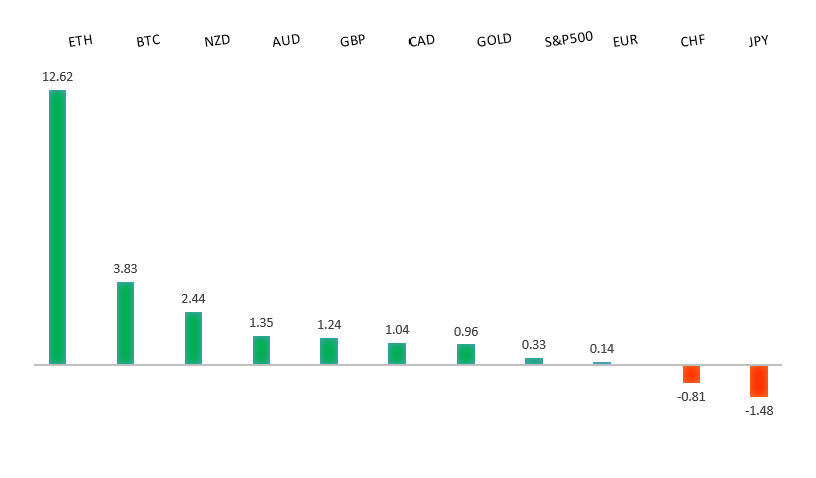
| Performance chart 30day v. USD (%) | ||
 | ||
| Technical & fundamental highlights | ||
| EURUSD: technical overview | ||
| The Euro outlook remains constructive with higher lows sought out on dips in favor of the next major upside extension targeting the 2021 high at 1.2350. Setbacks should be exceptionally well supported ahead of 1.1300. | ||
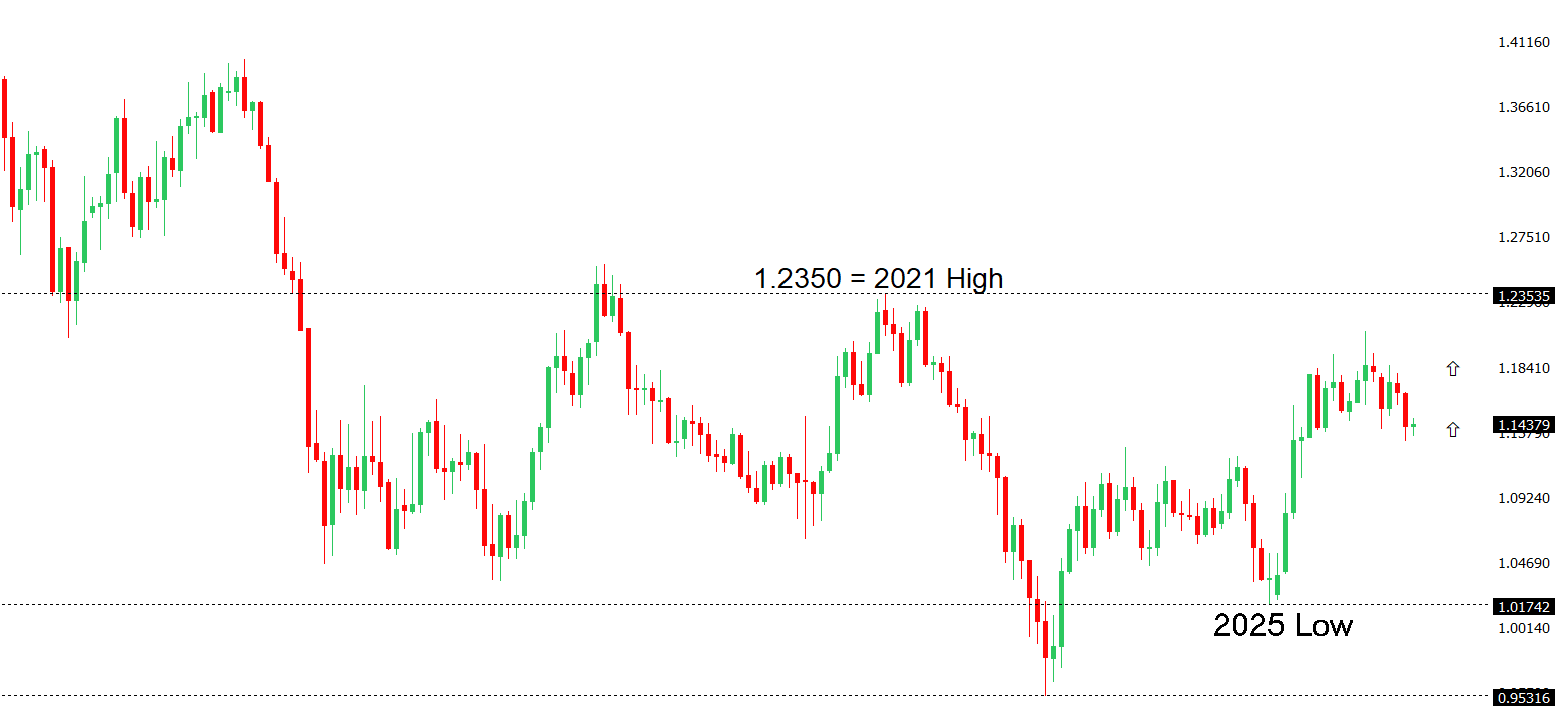 | ||
| R2 1.1529 - 18 June high - Medium R1 1.1483 - 15 July high - Medium S1 1.1325 - 24 June/2026 low - Medium S2 1.1300 - Figure - Medium | ||
| EURUSD: fundamental overview | ||
| The euro remains under pressure against the US dollar after the ECB left interest rates unchanged and struck a cautious tone, acknowledging that while inflation is moving toward target, elevated uncertainty and the full impact of higher energy prices have yet to feed through to the economy. Although the central bank reiterated its data-dependent approach and warned that persistent energy shocks pose upside inflation risks, markets interpreted the overall message as offering little urgency for additional tightening. At the same time, broad-based US dollar strength has been fueled by escalating Middle East tensions, rising oil prices, and growing expectations that energy-driven inflation could keep the Federal Reserve on a more hawkish path, with markets continuing to price a meaningful chance of further rate hikes. Risk aversion has also intensified following renewed US military threats against Iran, continued attacks in the Red Sea, and fresh US tariff plans that would include at least a 10% levy on European Union imports, adding another headwind for the common currency. | ||
| GBPUSD: technical overview | ||
| The Pound remains exceptionally well supported on dips into the 1.3000 area, with the price largely consolidating above the psychological barrier and previous resistance turned support in the form of the 2023 high. Look for the market to continue be well supported on dips ahead of the next major upside extension through the yearly high at 1.3870 and towards a retest of the 2018 high at 1.4377 further up. Only a monthly close below 1.3000 negates. | ||
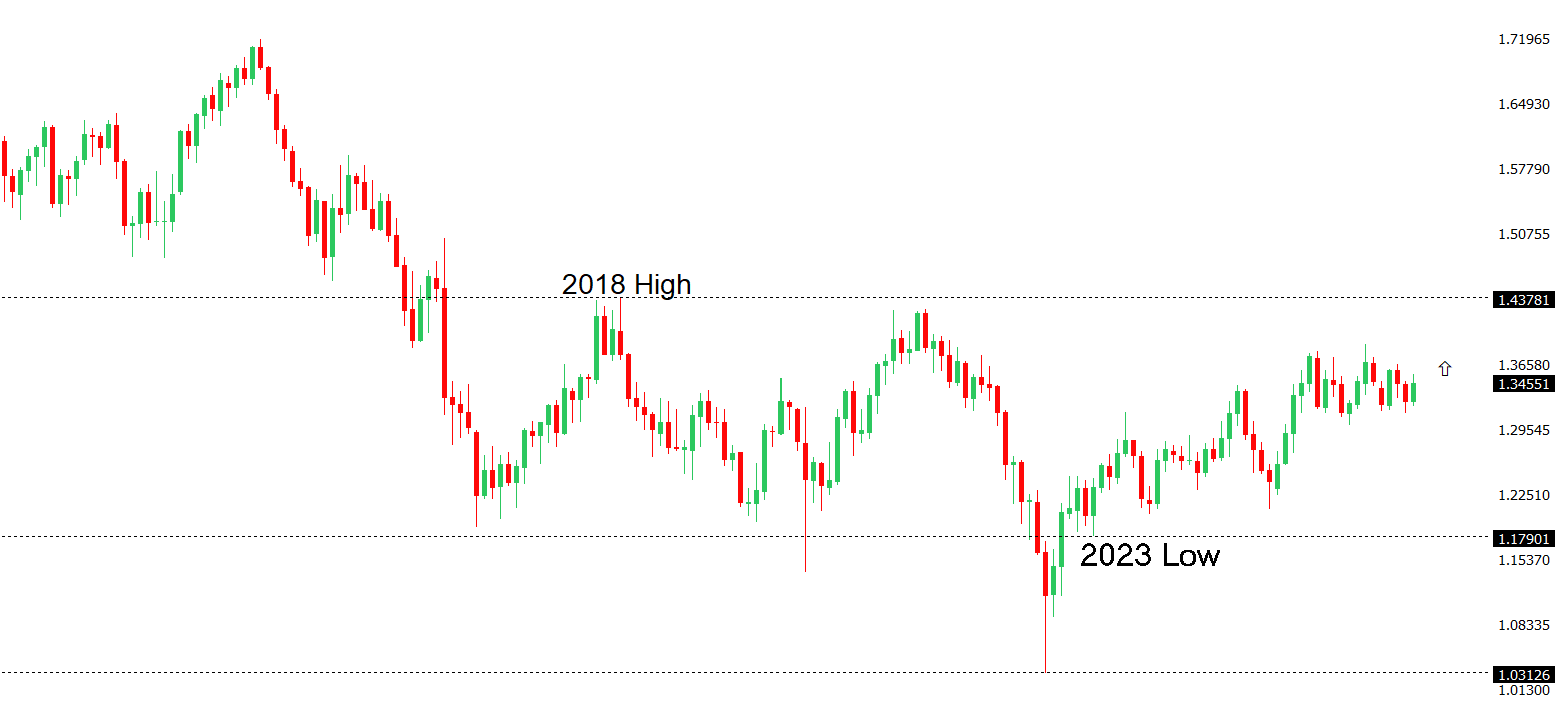 | ||
| R2 1.3452 - 10 July high - Strong R1 1.3396 - 22 July high - Medium S1 1.3295 - 24 Jul low - Medium S2 1.3373 - 22 June high - Medium | ||
| GBPUSD: fundamental overview | ||
| The pound remains under pressure primarily as a result of broad-based US Dollar strength rather than any significant deterioration in UK-specific fundamentals. Sterling has been weighed down by a sharp rise in geopolitical tensions in the Middle East, which has fueled demand for the safe-haven Dollar while higher oil prices have reinforced expectations that the Federal Reserve may need to keep policy restrictive for longer. Domestically, UK inflation offered a mixed picture, with headline CPI slowing to 2.6% in June, supporting expectations that the Bank of England will leave rates unchanged next week, although sticky core inflation continues to justify a cautious and relatively hawkish stance. Markets continue to price in the possibility of one or two additional BoE rate hikes into 2026, but that has done little to support the pound as investors remain focused on the widening risk premium favoring the Dollar. Attention now turns to UK retail sales and flash PMIs, which will provide a timely gauge of domestic demand and business activity ahead of next week’s closely watched BoE policy decision. | ||
| USDJPY: technical overview | ||
| The major pair has extended its run to fresh multi-decade highs, with the latest push through 160.00 opening the door for further upside towards 165.00-170.00. At the same time, daily studies are looking quite stretched, suggesting we could see a healthy correction on the horizon. A break back below 160.48 would now strengthen the case for a larger pullback. Until then, the market will continue to be focused on additional gains. | ||
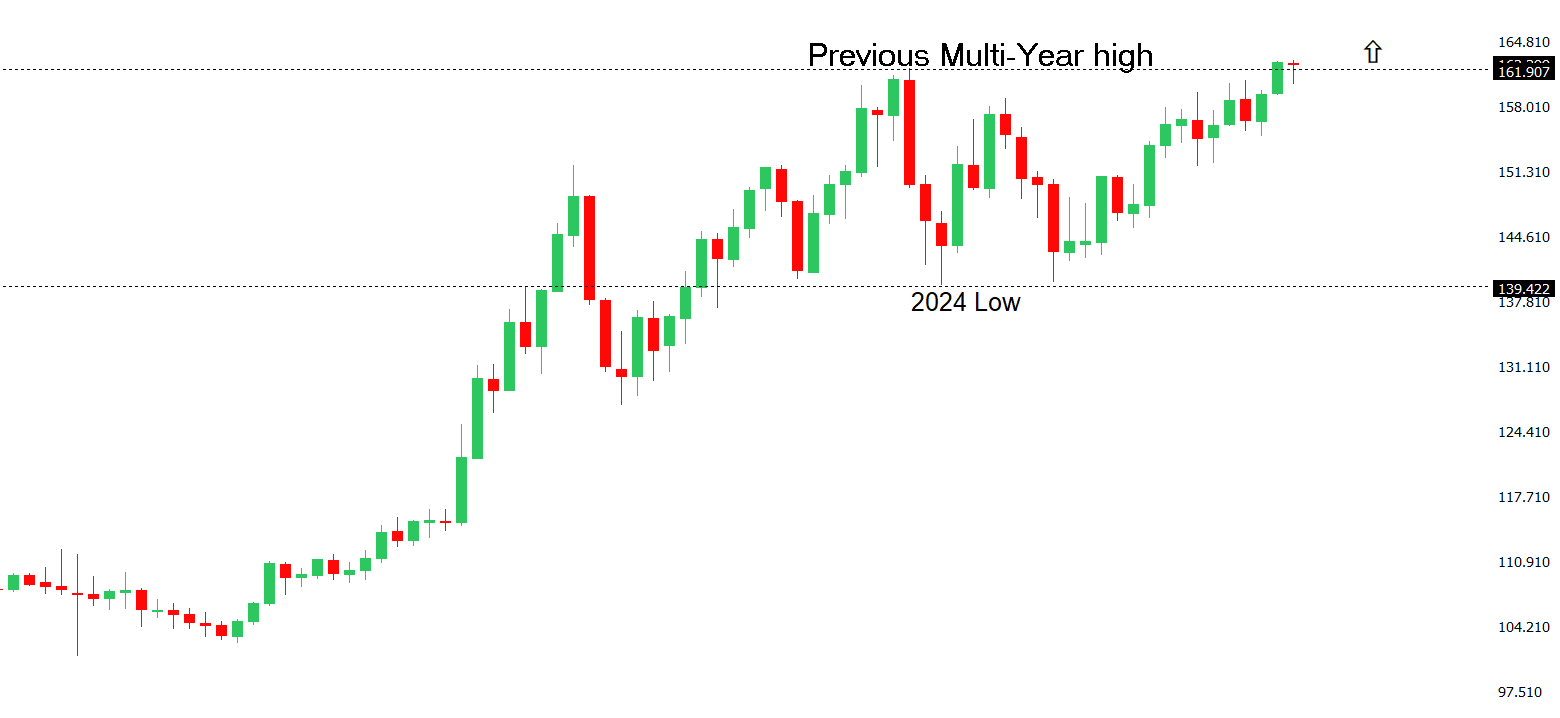 | ||
| R2 165.00 - Psychological - Strong R1 163.99 - Multi-Year high/23 July 2026 - Medium S1 162.43 - 21 July low - Medium S2 161.28 - 10 July low - Medium | ||
| USDJPY: fundamental overview | ||
| The Yen remains under pressure near 40-year lows as the wide US-Japan interest rate differential, elevated US Treasury yields and a resilient US Dollar continue to outweigh improving domestic fundamentals. June CPI and July PMI data reinforced the view that inflation pressures are becoming more entrenched and economic activity remains resilient, but markets still expect the Bank of Japan to leave rates unchanged next week despite maintaining a gradual tightening bias. Meanwhile, higher oil prices driven by Middle East tensions continue to support expectations that the Federal Reserve will keep policy restrictive for longer, sustaining carry trade demand and weighing on the Yen. Intervention risks remain elevated after Finance Minister Katayama reiterated that Japan stands ready to take decisive action in the FX market and confirmed close coordination with the US, though markets continue to believe any intervention is unlikely to produce a lasting reversal without a narrowing in the US-Japan rate differential. Attention now turns to next week’s Fed and BoJ policy meetings as the key catalysts for USDJPY. | ||
| AUDUSD: technical overview | ||
| There are signs of the formation of a longer-term base with the market recovering out from a meaningful longer-term support zone. The latest monthly close back above 0.7000 takes the big picture pressure off the downside and strengthens the case for a bottom, with the focus now on a push towards 0.8000. Setbacks should now be well supported ahead of 0.6700. | ||
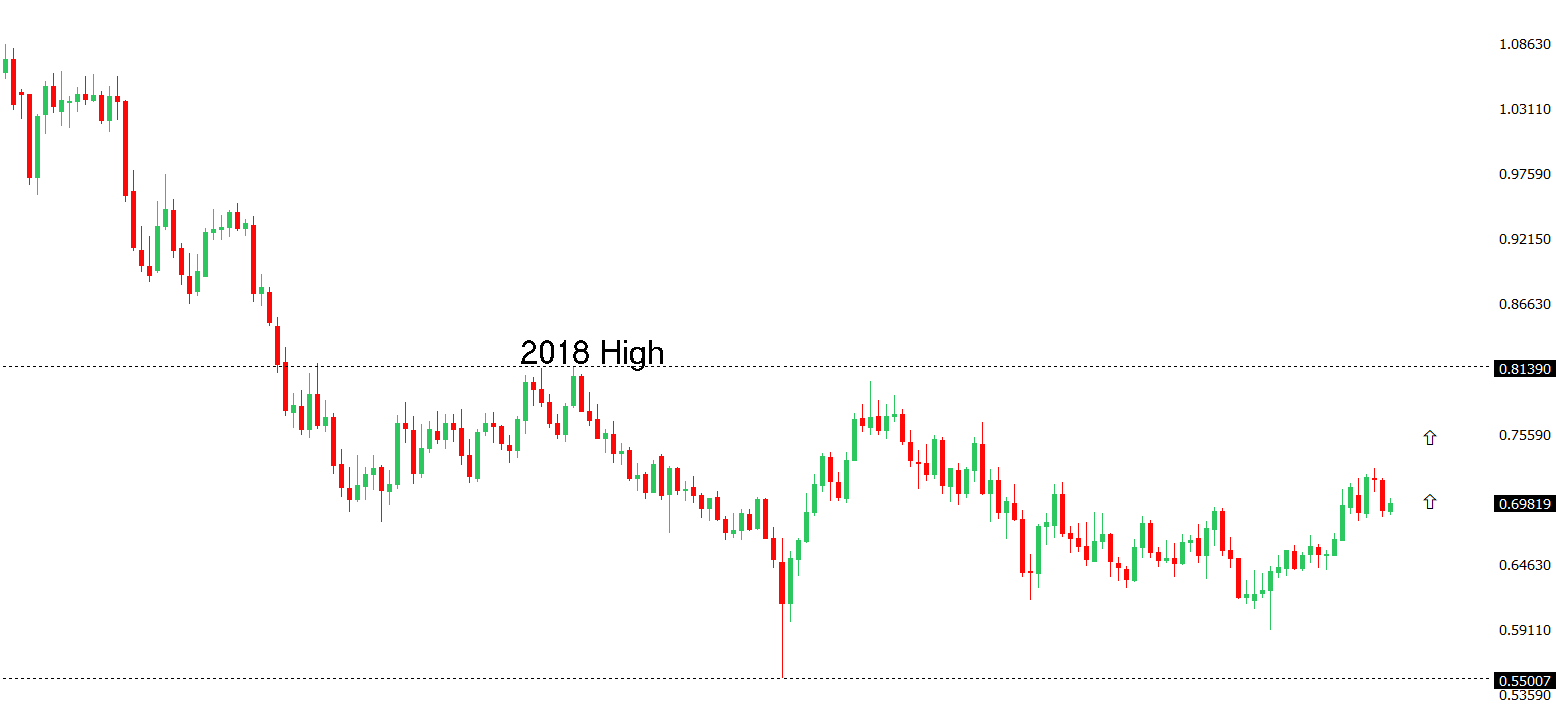 | ||
| R2 0.7089 - 15 June high - Strong R1 0.7027 - 21 July high - Medium S1 0.6912 - 14 July low - Medium S2 0.6865 - 30 June low - Strong | ||
| AUDUSD: fundamental overview | ||
| The Australian dollar remains caught between supportive domestic fundamentals and a stronger external backdrop favoring the US dollar. While Australia’s economic data have continued to surprise on the upside, highlighted by a blockbuster June employment report and stronger-than-expected July flash PMIs that point to resilient momentum across both the manufacturing and services sectors, the currency has struggled to capitalize. Instead, the Aussie has been weighed down by broad US dollar strength as resilient US labor market data, rising Treasury yields and renewed concerns that higher energy prices could keep the Federal Reserve on a more hawkish path have boosted Fed rate expectations. At the same time, escalating US-Iran tensions have supported safe-haven demand for the US dollar while dampening broader risk appetite, a headwind for the risk-sensitive Australian dollar. Even so, the combination of firm domestic economic data and a still relatively hawkish Reserve Bank of Australia continues to provide an important medium-term underpinning for the currency, limiting the scope for more aggressive downside moves. | ||
| Suggested reading | ||
| Wall Street’s first superstar trader, R. Wigglesworth, Financial Times (July 23, 2026) Rethinking Global Imbalances, J. Landau, Project Syndicate (July 23, 2026) | ||