


 | ||
| 20th July 2026 | view in browser | ||
| Oil, geopolitics and AI fears set the tone for Monday | ||
| Markets begin the week with geopolitical tensions in the Middle East driving higher oil and gold prices, while resilient US economic data, AI-driven tech concerns, and a firm US Dollar keep risk sentiment cautious across global markets. | ||
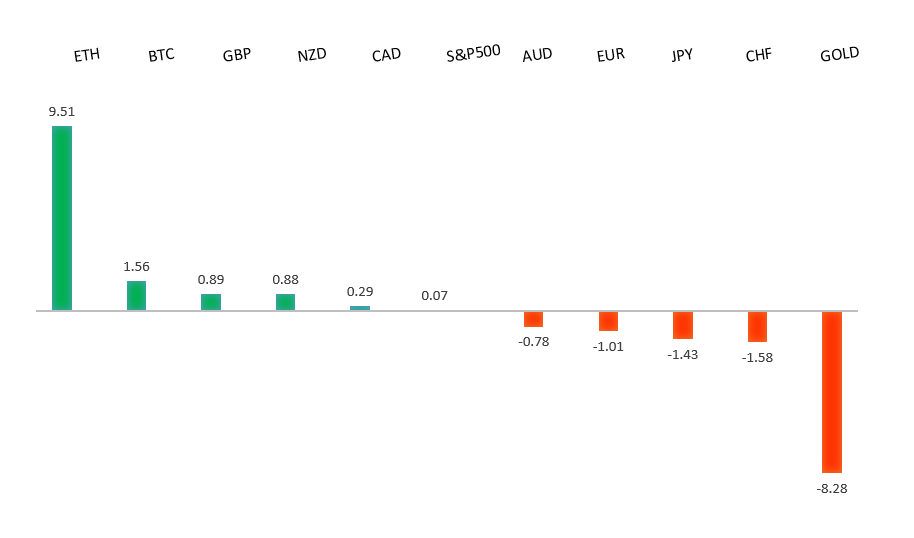
| Performance chart 30day v. USD (%) | ||
 | ||
| Technical & fundamental highlights | ||
| EURUSD: technical overview | ||
| The Euro outlook remains constructive with higher lows sought out on dips in favor of the next major upside extension targeting the 2021 high at 1.2350. Setbacks should be exceptionally well supported ahead of 1.1300. | ||
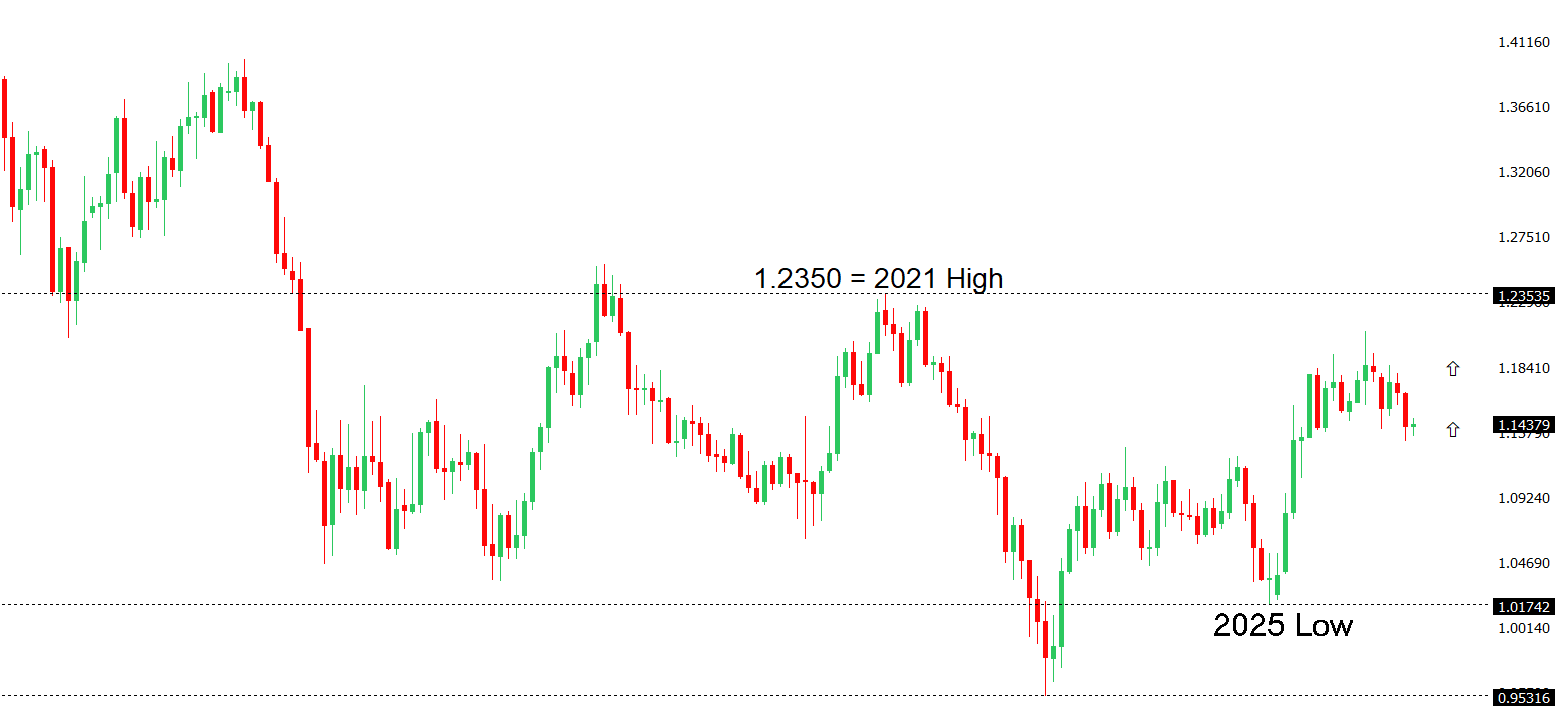 | ||
| R2 1.1529 - 18 June high - Medium R1 1.1483 - 15 July high - Medium S1 1.1325 - 24 June/2026 low - Medium S2 1.1300 - Figure - Medium | ||
| EURUSD: fundamental overview | ||
| The euro remains supported by the prospect of relatively tight ECB policy, although gains have become more measured as markets balance easing inflation against persistent energy-related price risks. The ECB is widely expected to leave interest rates unchanged this week after June’s hike, with investors instead focused on President Lagarde’s guidance for signs that another increase, most likely in September, remains on the table if inflation pressures persist. At the same time, softer June inflation data in both the Eurozone and the US has reduced expectations for immediate policy tightening on either side of the Atlantic, limiting directional conviction in EURUSD. Rising oil prices driven by Middle East tensions continue to complicate the inflation outlook, supporting the case for higher-for-longer interest rates, while a modest recovery in the US dollar following stronger US economic data has capped the euro’s upside. Looking ahead, the focus shifts to a busy Eurozone week, including German producer prices, the ZEW economic sentiment surveys, the ECB’s Bank Lending Survey, Thursday’s ECB policy decision and Friday’s flash PMIs, all of which will help shape expectations for the region’s growth outlook and the timing of any further ECB tightening. | ||
| GBPUSD: technical overview | ||
| The Pound remains exceptionally well supported on dips into the 1.3000 area, with the price largely consolidating above the psychological barrier and previous resistance turned support in the form of the 2023 high. Look for the market to continue be well supported on dips ahead of the next major upside extension through the yearly high at 1.3870 and towards a retest of the 2018 high at 1.4377 further up. Only a monthly close below 1.3000 negates. | ||
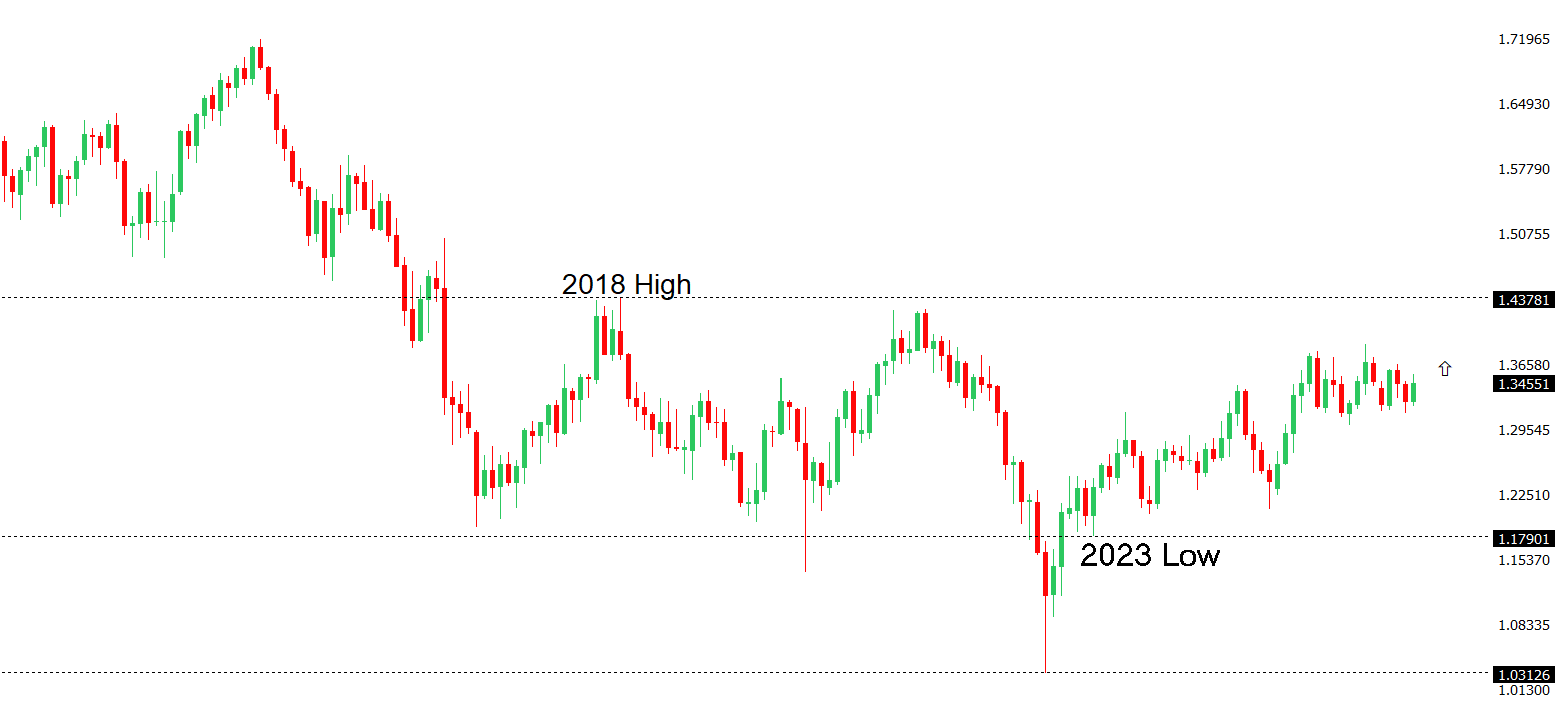 | ||
| R2 1.3658 - 1 May high - Strong R1 1.3558 - 15 July high - Medium S1 1.3452 - 10 July high - Medium S2 1.3322 - 8 July low - Strong | ||
| GBPUSD: fundamental overview | ||
| The Pound has softened against the US Dollar as renewed geopolitical tensions in the Middle East boosted safe-haven demand for the Greenback and pushed oil prices above $80 per barrel, raising concerns that higher energy costs could keep inflation elevated on both sides of the Atlantic. At the same time, softer US CPI and PPI data have tempered expectations for additional near-term Federal Reserve tightening, limiting broader Dollar upside and helping Sterling hold onto recent gains. Domestically, the focus shifts to a pivotal week of UK data, with labor market figures, inflation, Retail Sales and preliminary PMIs all due before week’s end. Markets expect wage growth to remain firm, unemployment to hold at 4.9% and core inflation to edge lower, with any upside surprises in earnings or prices likely to reinforce expectations that the Bank of England will keep monetary policy restrictive for longer, while weaker employment or consumer data could revive expectations of future easing and weigh on the Pound. Investors are also watching the transition to Prime Minister Andy Burnham’s government for any signs of fiscal continuity, although monetary policy expectations and incoming economic data remain the dominant drivers of Sterling. | ||
| USDJPY: technical overview | ||
| The major pair has extended its run to fresh multi-decade highs, with the latest push through 160.00 opening the door for further upside towards 165.00-170.00. At the same time, daily studies are looking quite stretched, suggesting we could see a healthy correction on the horizon. A break back below 160.48 would now strengthen the case for a larger pullback. Until then, the market will continue to be focused on additional gains. | ||
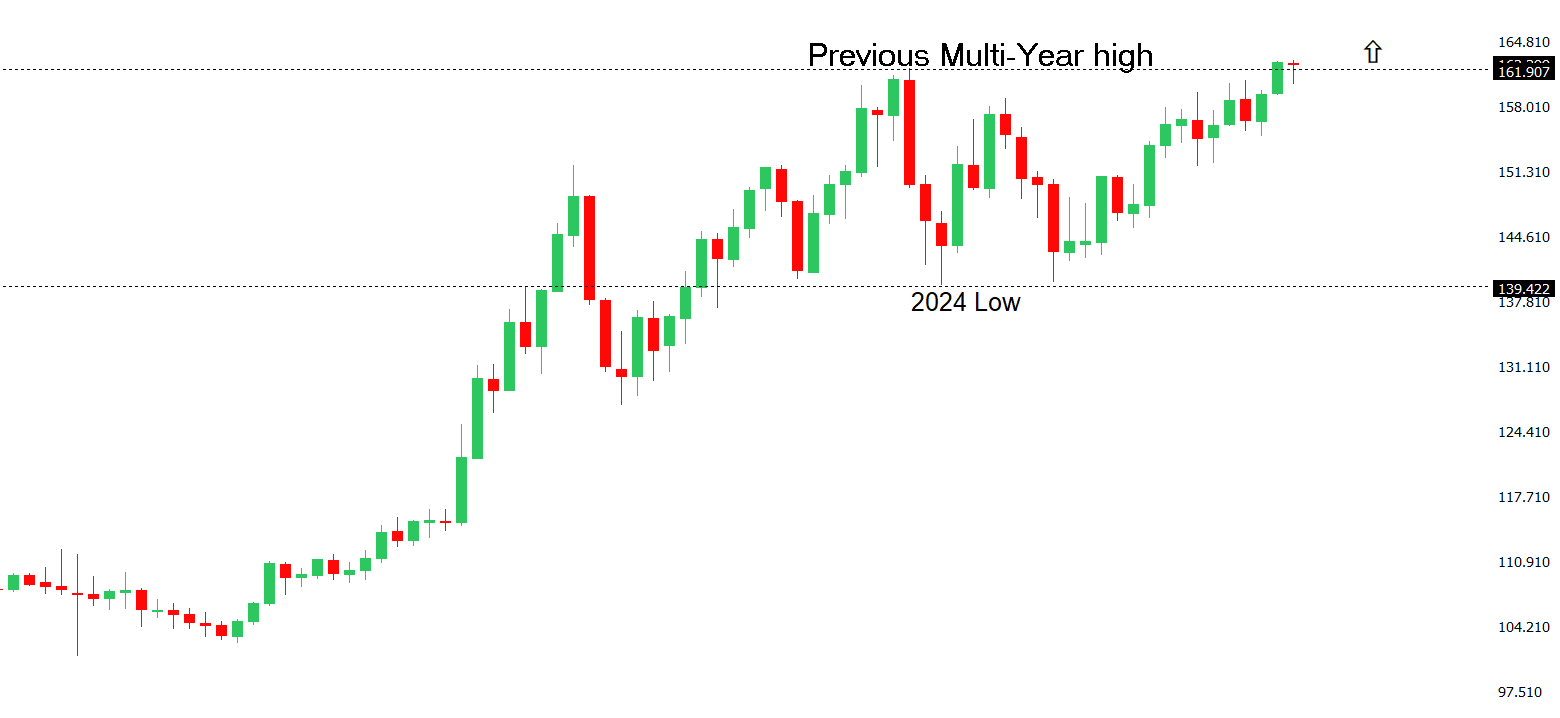 | ||
| R2 163.00 - Figure - Medium R1 162.84 - Multi-Year high/1 July 2026 - Strong S1 161.28 - 10 July low - Medium S2 160.48 - 3 July low - Medium | ||
| USDJPY: fundamental overview | ||
| The Yen remains under pressure as the wide interest rate differential between Japan and the United States continues to favor the US Dollar, keeping USDJPY near multi-decade highs around 162.50. Markets remain alert to the risk of official intervention after Finance Minister Katayama reiterated that authorities stand ready to take “decisive action at any time,” although repeated verbal warnings have so far done little to deter Yen selling. Attention now shifts to Japan’s key economic releases, with trade data expected to show another solid rebound in exports alongside stronger imports and a narrower trade deficit, while Friday’s inflation report is forecast to show core CPI (excluding fresh food) accelerating to 1.6% from 1.4%. A firmer inflation reading would reinforce expectations that the Bank of Japan could continue gradually normalizing monetary policy later this year, offering some support to the Yen, though any sustained recovery is likely to depend on both BoJ tightening expectations and the outlook for Federal Reserve policy. | ||
| AUDUSD: technical overview | ||
| There are signs of the formation of a longer-term base with the market recovering out from a meaningful longer-term support zone. The latest monthly close back above 0.7000 takes the big picture pressure off the downside and strengthens the case for a bottom, with the focus now on a push towards 0.8000. Setbacks should now be well supported ahead of 0.6700. | ||
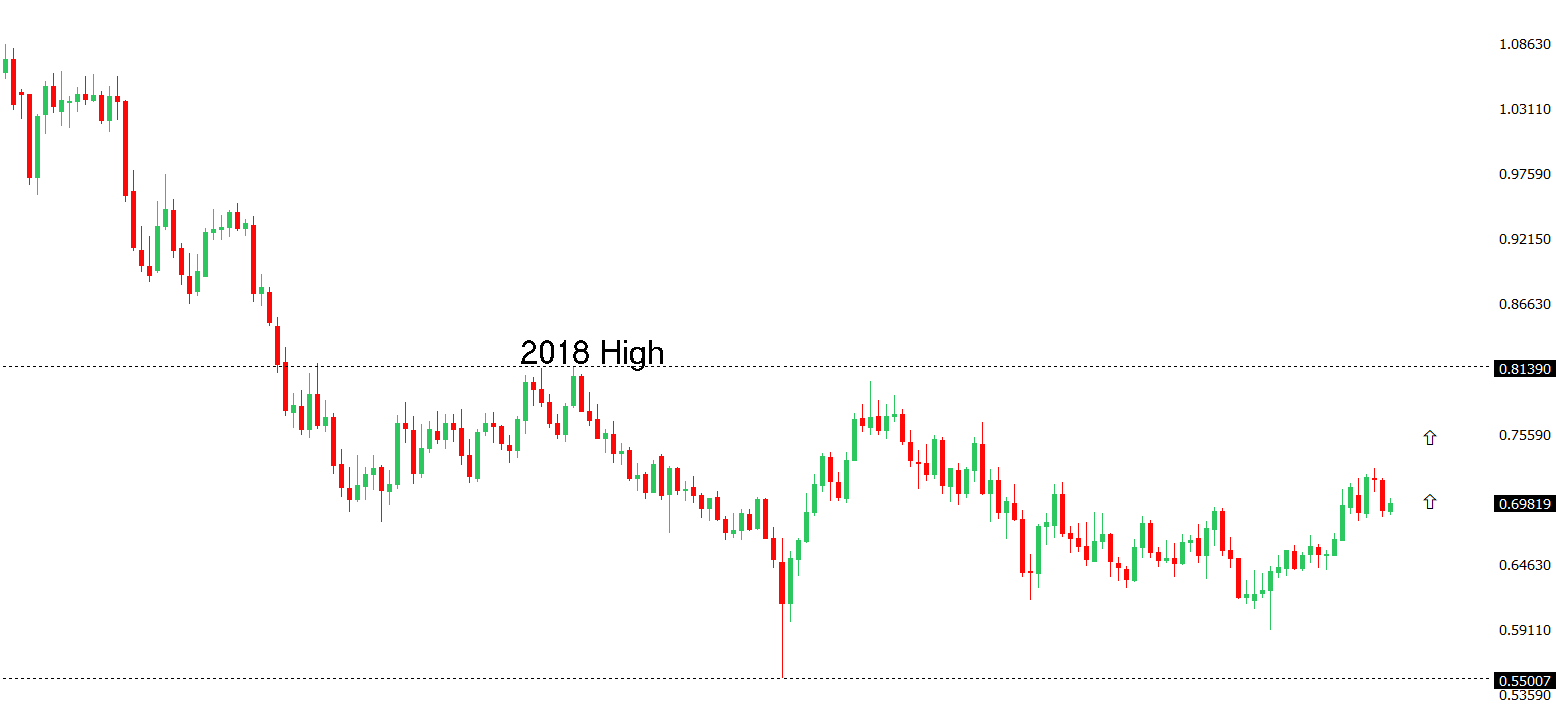 | ||
| R2 0.7089 - 15 June high - Strong R1 0.7022 - 15 July high - Medium S1 0.6912 - 14 July low - Medium S2 0.6865 - 30 June low - Strong | ||
| AUDUSD: fundamental overview | ||
| The Australian Dollar remains primarily driven by shifting US Dollar sentiment and expectations surrounding domestic and Chinese growth. AUDUSD has traded around the 0.6980 area after recovering from an initial pullback as mixed US data, including stronger Housing Starts and consumer sentiment but softer Building Permits and Industrial Production, weighed on the Greenback despite continued hawkish commentary from Fed officials that inflation remains too elevated. Attention now turns to Wednesday’s Australian labor market report, where employment growth is expected to slow to 15K while the unemployment rate is seen holding at 4.4%, followed by Thursday’s preliminary PMI surveys for fresh insight into economic momentum. Markets will also closely watch China’s decision on its benchmark lending rate, with the People’s Bank of China widely expected to leave rates unchanged at 3.0%, given Australia’s strong trade exposure to China. Meanwhile, rising oil prices amid ongoing Middle East tensions have added to global inflation concerns and could help underpin Australia’s commodity-linked currency if risk sentiment remains resilient, although any further deterioration in global risk appetite would likely temper gains in the high-beta Australian Dollar. | ||
| Suggested reading | ||
| The AI Boom Tests The Limits Of Growth, A. Harder, Axios (July 16, 2026) A Bubble Warning Sign?, M. Rzepczynski, Disciplined Global Macro (July 15, 2026) | ||