

Day Image
2nd March 2026 | view in browser
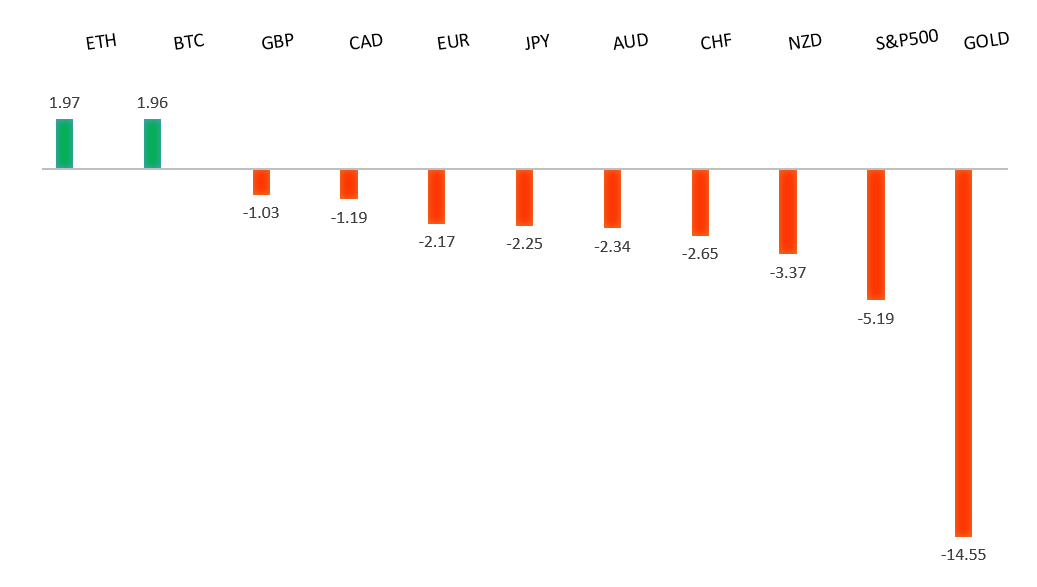
US Dollar advances, oil surges as conflict escalates

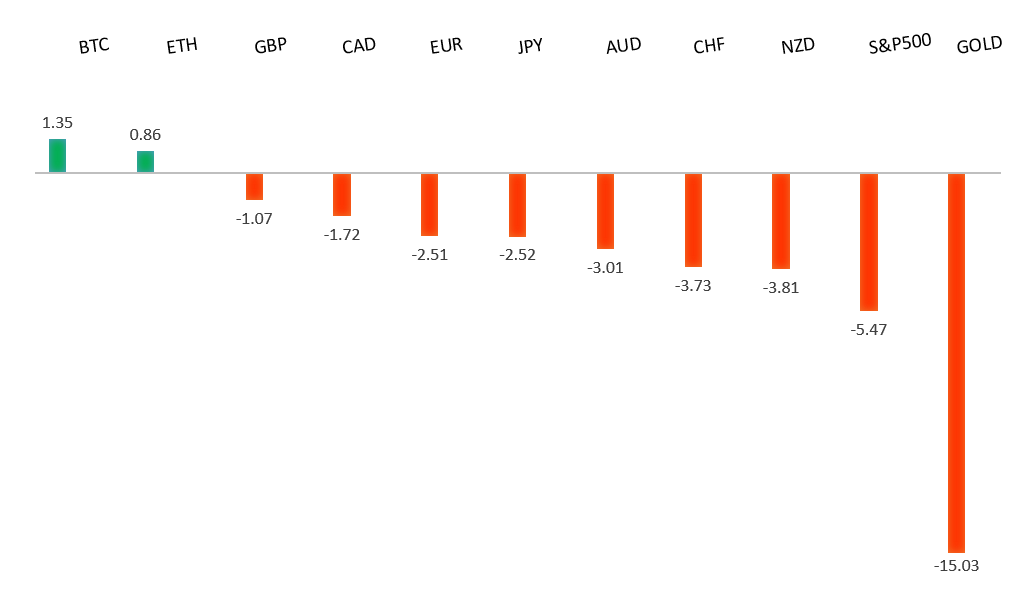
The US dollar is starting the week stronger as escalating tensions drive a flight to safety, oil prices surge on supply disruption fears, equities come under pressure, and markets brace for key manufacturing data and central bank commentary against a backdrop of heightened geopolitical uncertainty.


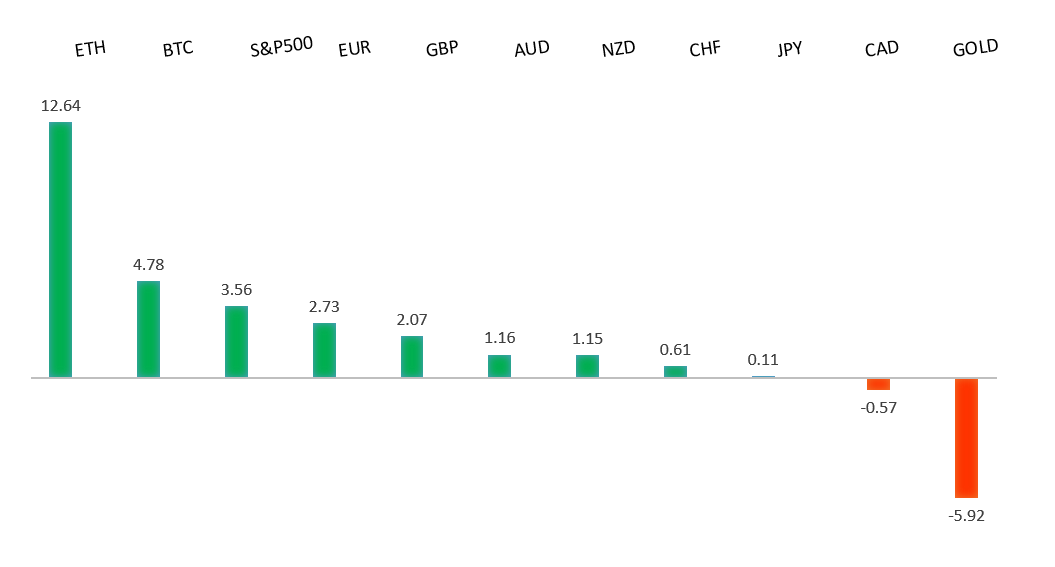
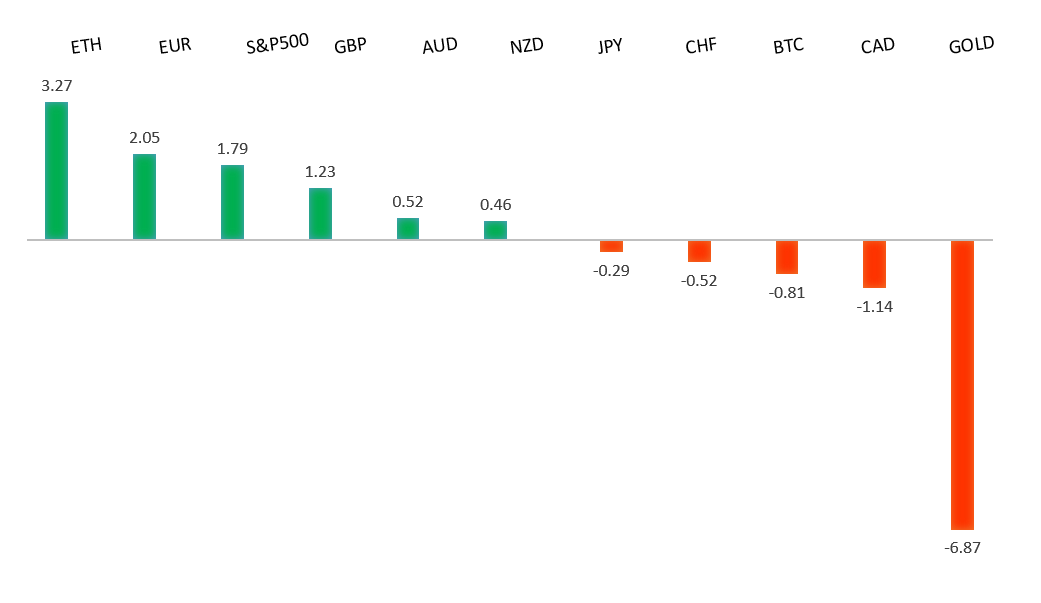
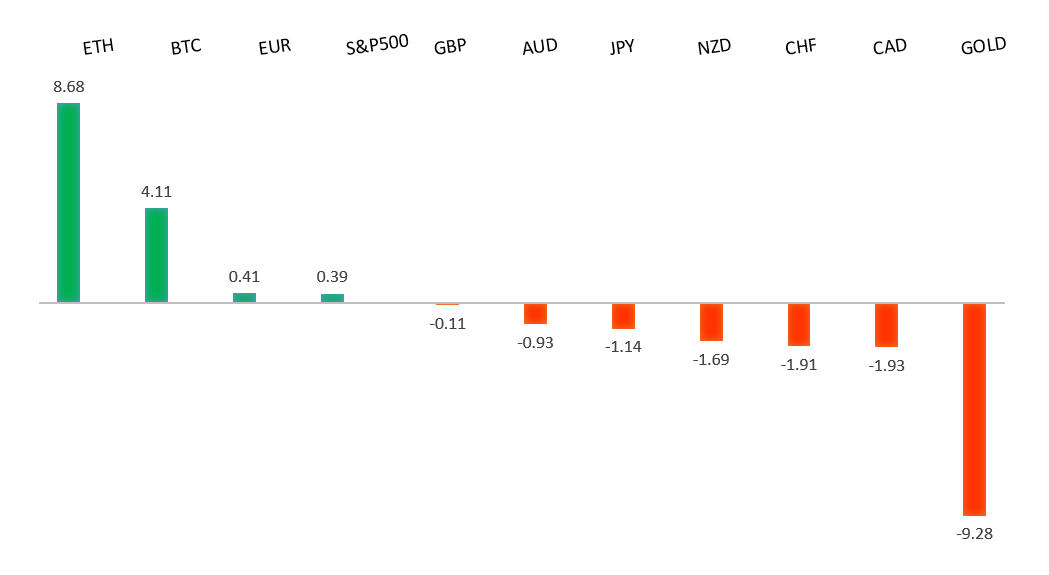
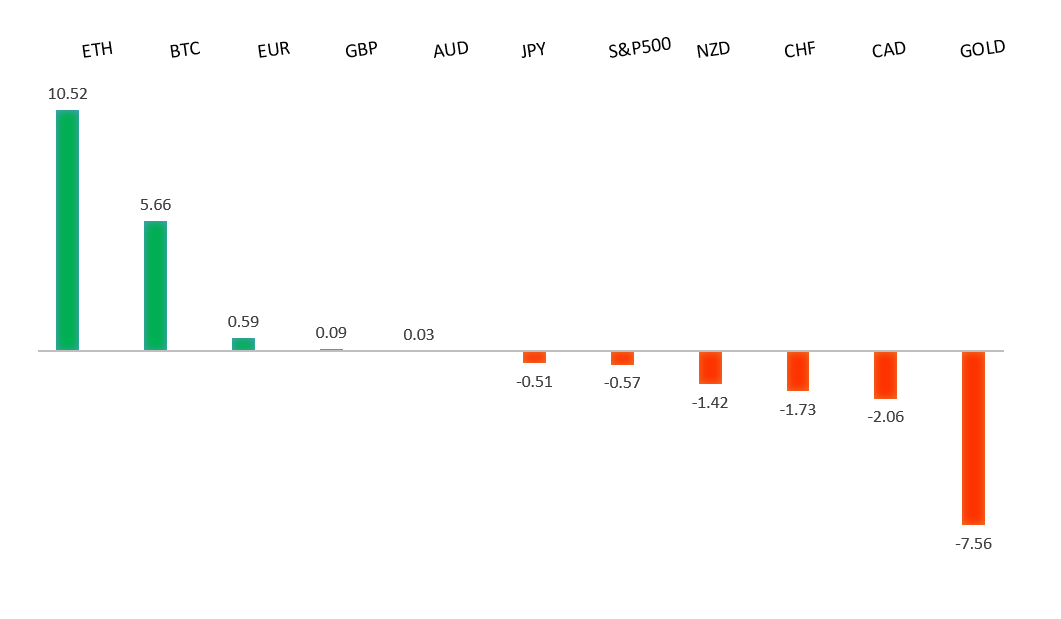
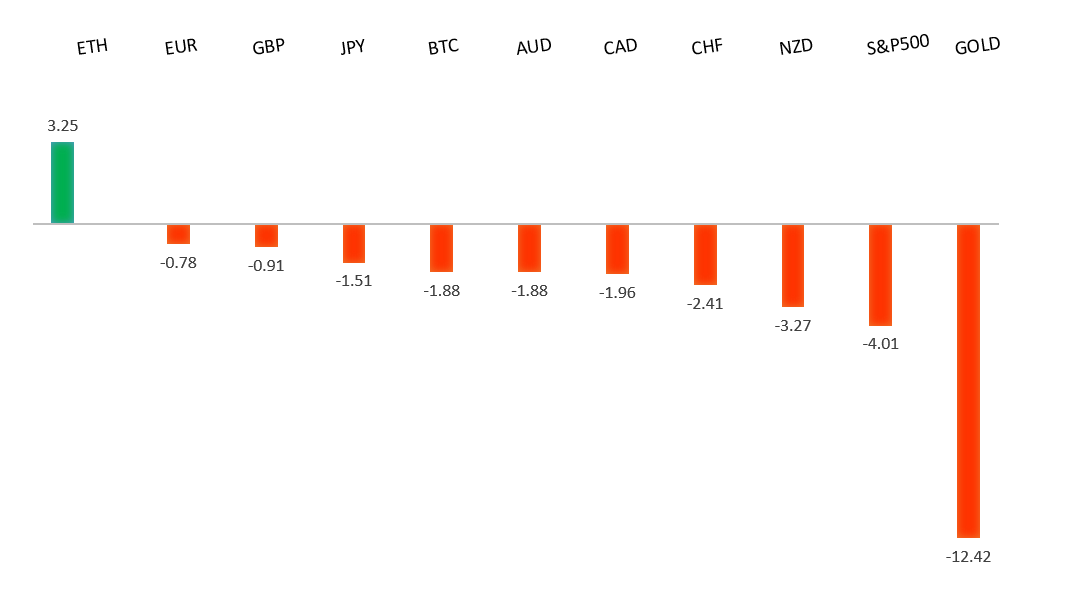
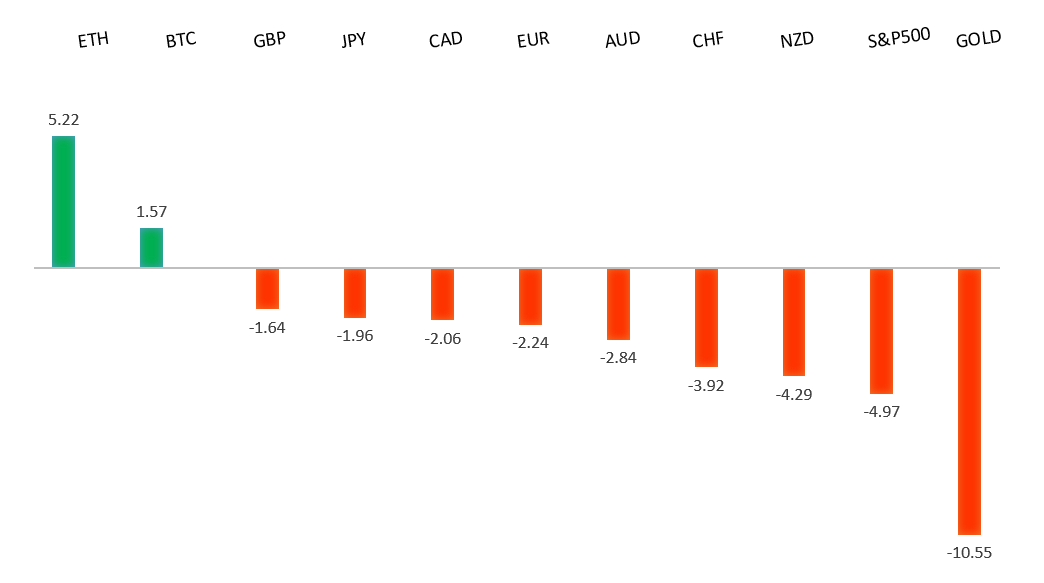
Performance chart 30day v. USD (%)
Performance Chart
 
 
Technical & fundamental highlights
EURUSD: technical overview

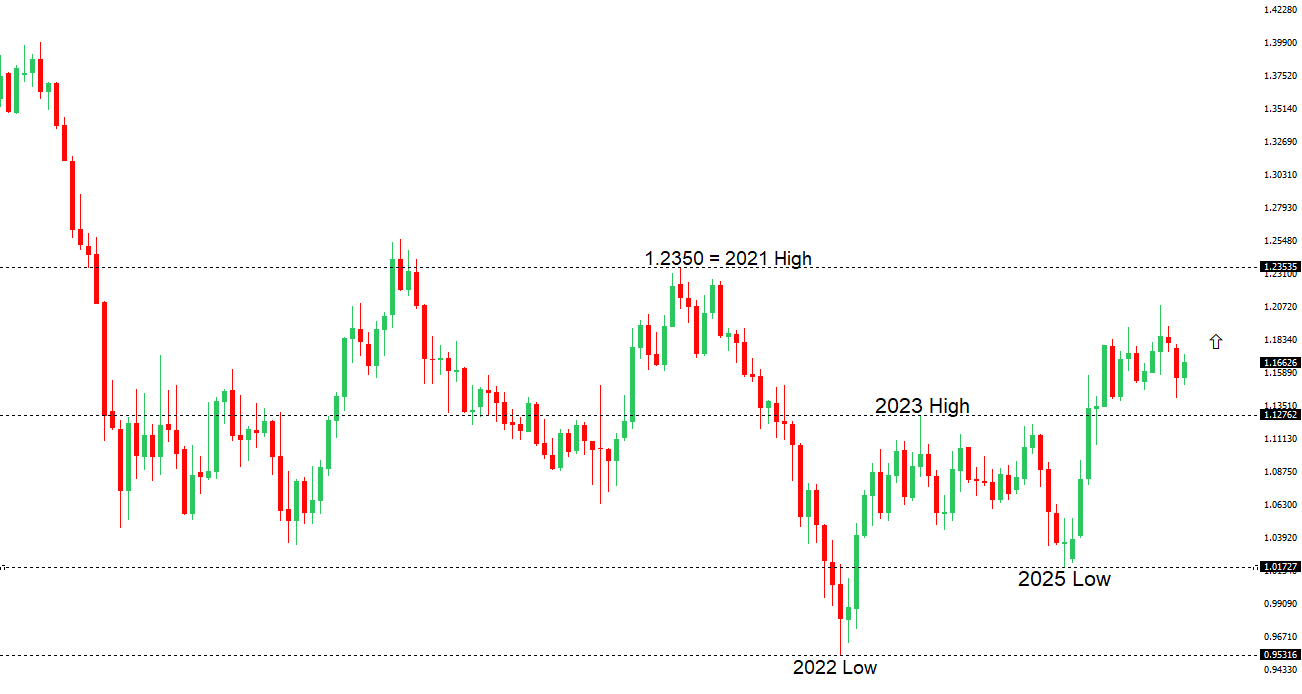
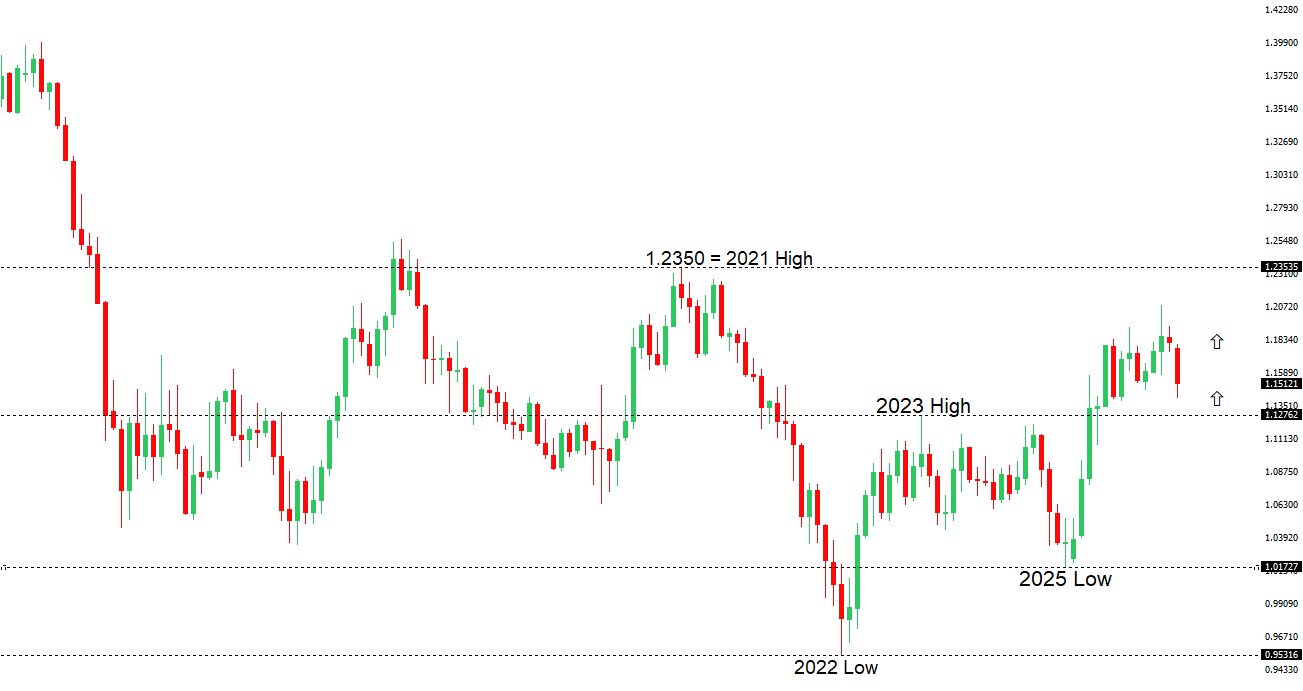
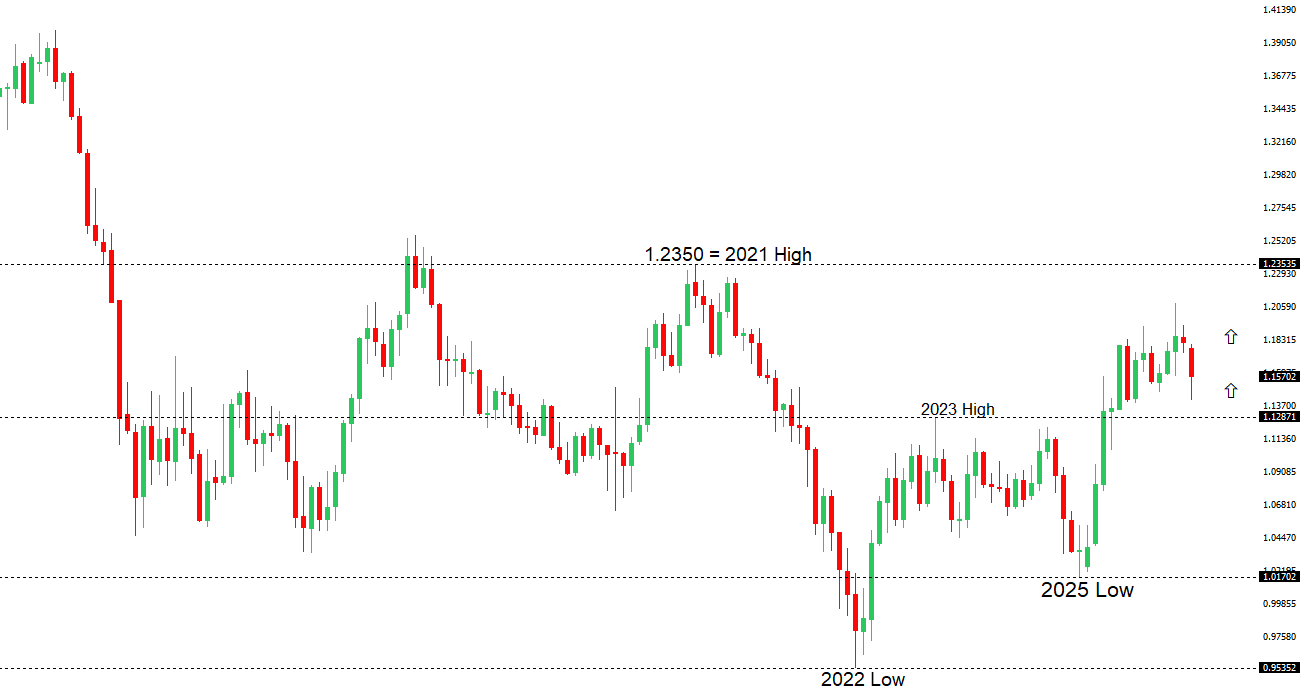
The Euro outlook remains constructive with higher lows sought out on dips in favor of the next major upside extension targeting the 2021 high at 1.2350. Setbacks should be exceptionally well supported ahead of 1.1500.

EURUSD Chart
R2 1.1929 - 10 February high - Strong
R1 1.1835 - 23 February high - Medium
S1 1.1700 - Figure - Medium
S2 1.1670 - 22 January low - Strong
EURUSD: fundamental overview

The euro has come under notable pressure as dollar strength weighs amid elevated geopolitical tension. The euro was already under pressure after softer Eurozone inflation, raising the risk that further weakness in upcoming CPI data could revive expectations for ECB rate cuts. Near-term price action will be likely be driven more by risk sentiment and oil price swings than by economic releases. Overall, markets expect choppy trading, with downside risks if tensions escalate or inflation disappoints, while stabilization in geopolitics and data could allow modest upside.

 
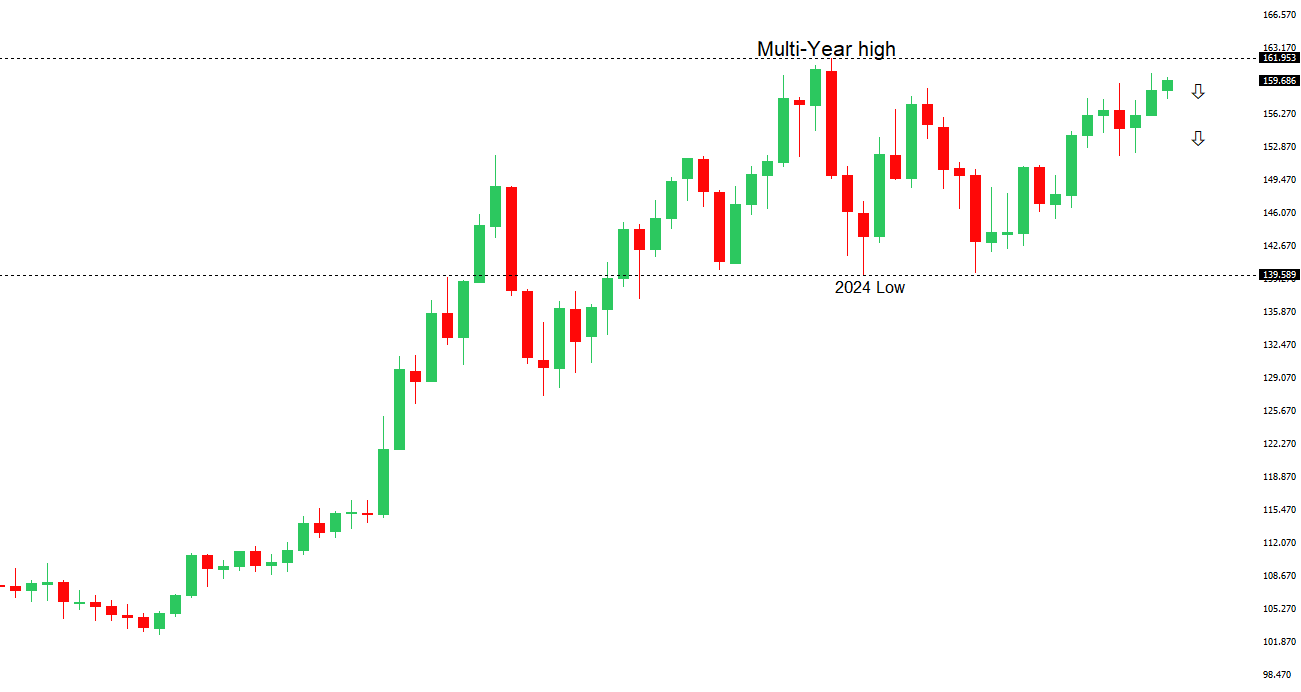
USDJPY: technical overview

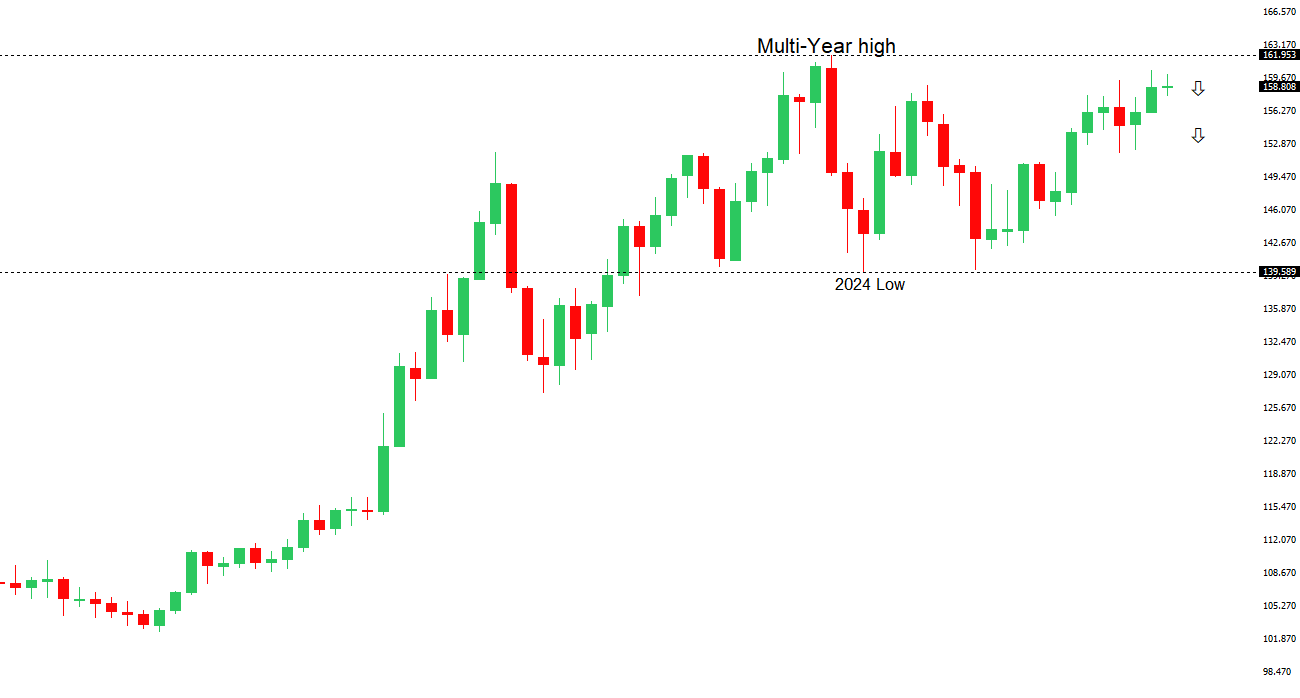
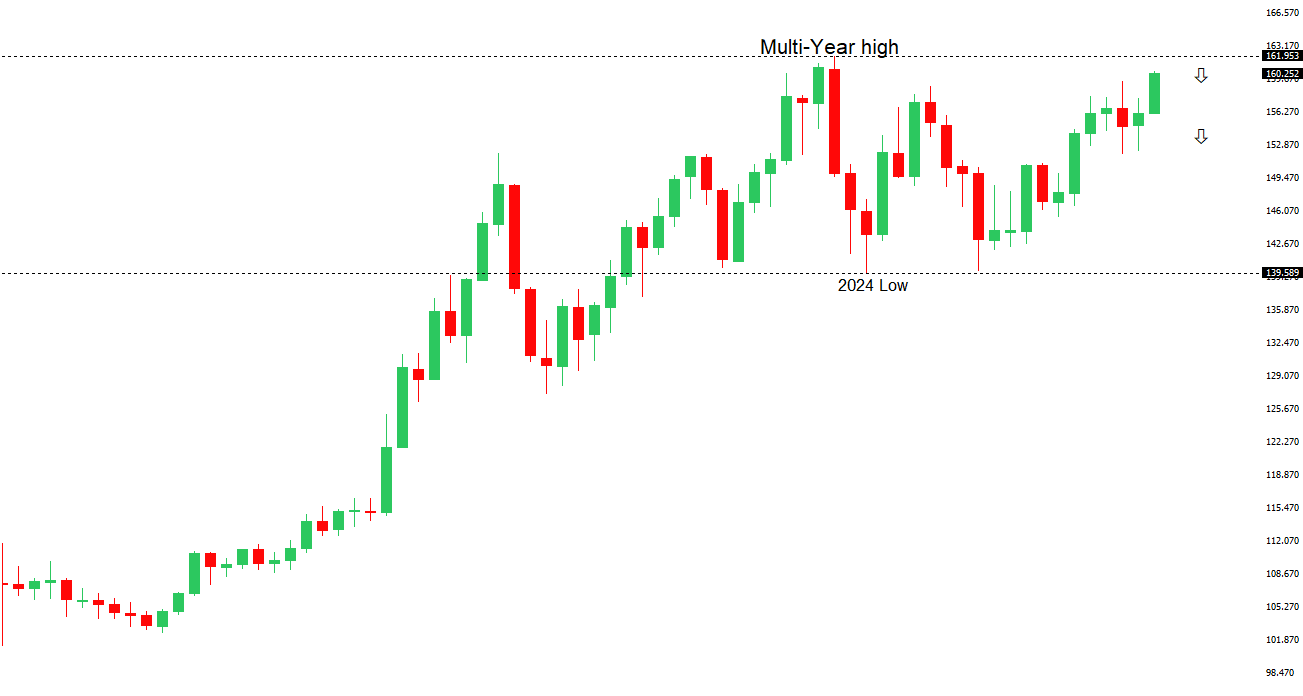
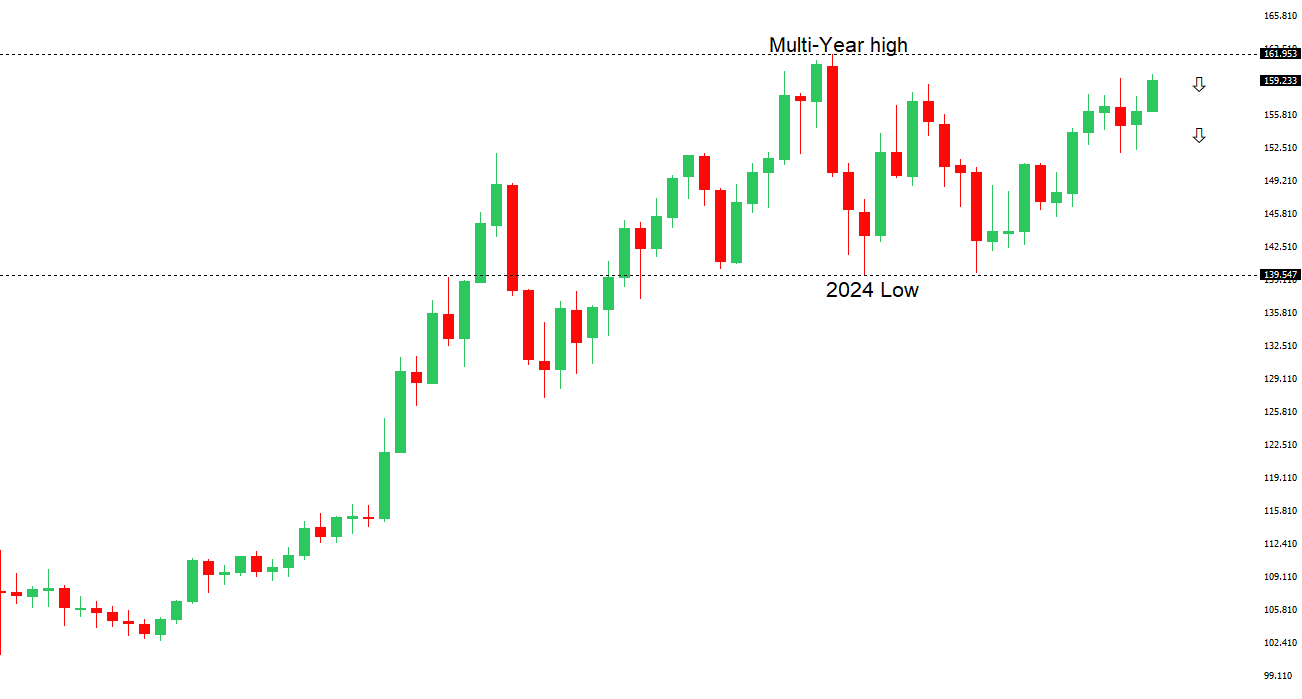
There are signs of a meaningful top in place after the market put in a multi-year high in 2024. At this point, rallies should be well capped ahead of 160.00 in favor of a fresh down-leg back towards the 2024 low at 139.58. The recent break below 154.39 strengthens the outlook.

USDJPY Chart
R2 157.66 - 9 February high - Strong
R1 157.05 - 2 March high - Medium
S1 154.00 - 23 February low - Medium
S2 151.97 - 28 January/2026 low - Strong
USDJPY: fundamental overview

The yen has softened against the dollar despite a broader risk-off backdrop, even as stronger manufacturing PMI data points to improving domestic conditions and rising business confidence. While geopolitical tensions and safe-haven demand may offer intermittent support, structural factors—including capital outflows ahead of Japan’s fiscal year-end, elevated oil prices, and still-accommodative BOJ policy relative to the Fed—continue to limit sustained yen strength. Although gradual BOJ tightening and firm inflation dynamics support the yen over the medium term, near-term gains are likely to remain shallow amid wide rate differentials, cautious policy guidance, and persistent external pressures, leaving the currency vulnerable to continued two-way volatility.

 
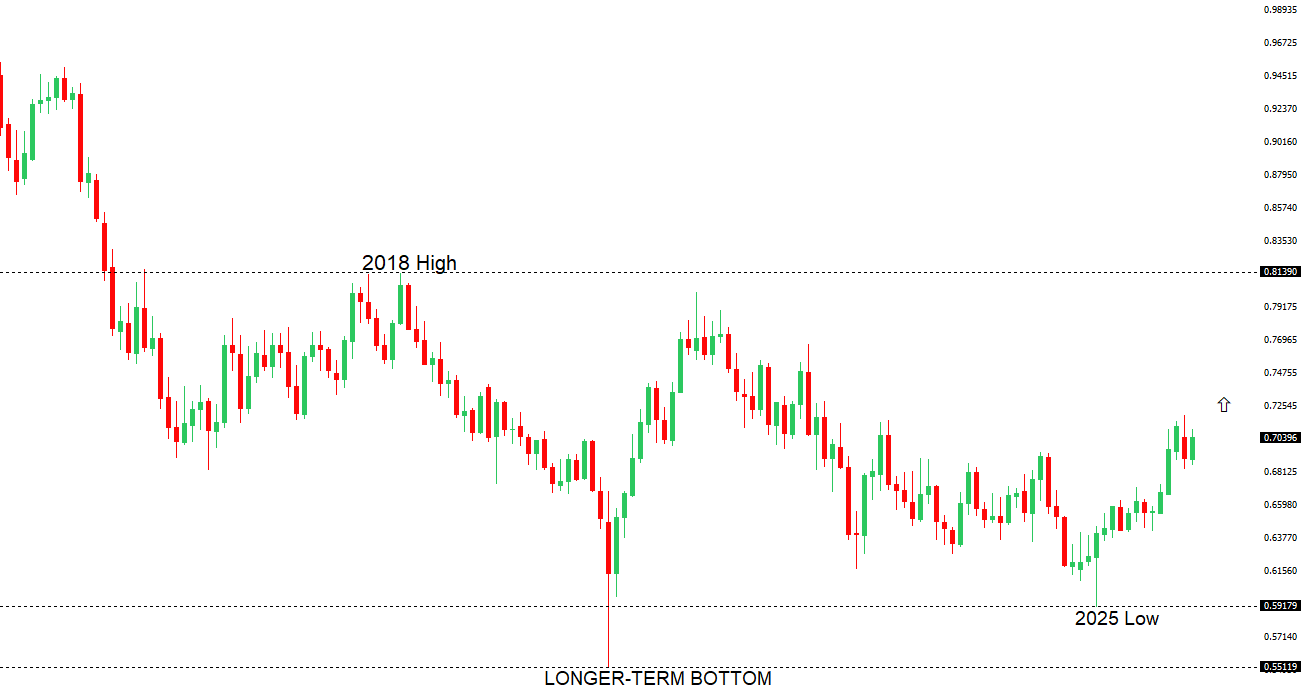
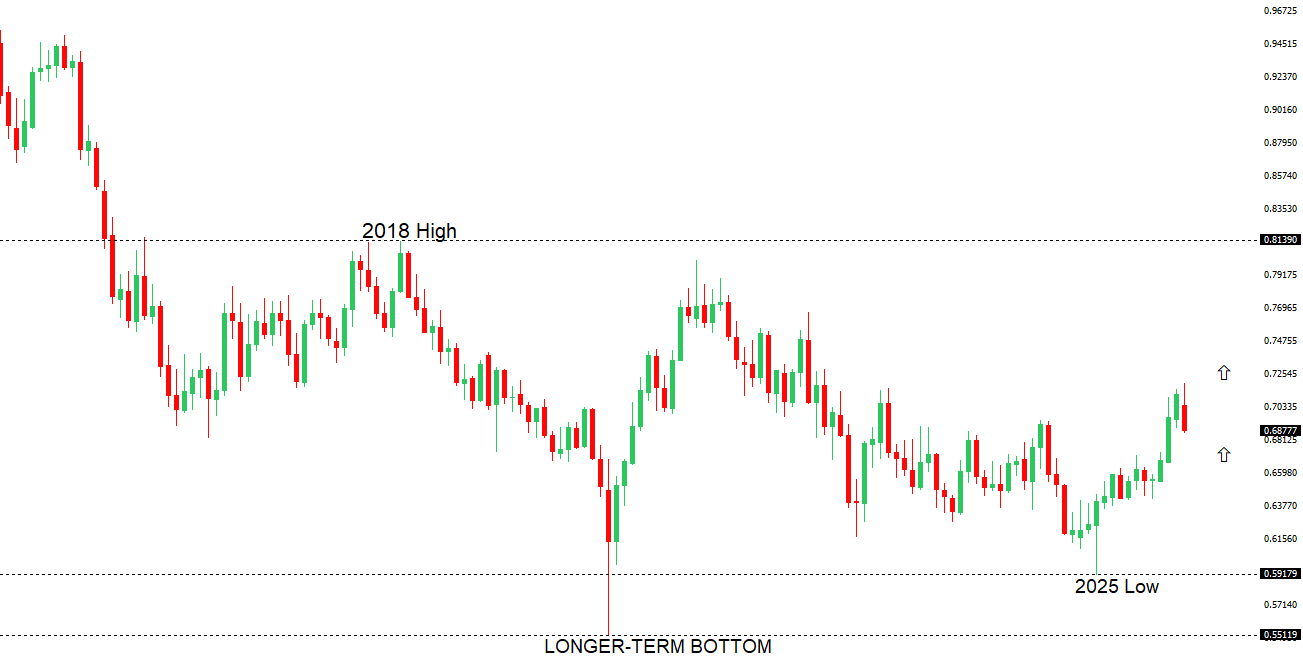
AUDUSD: technical overview

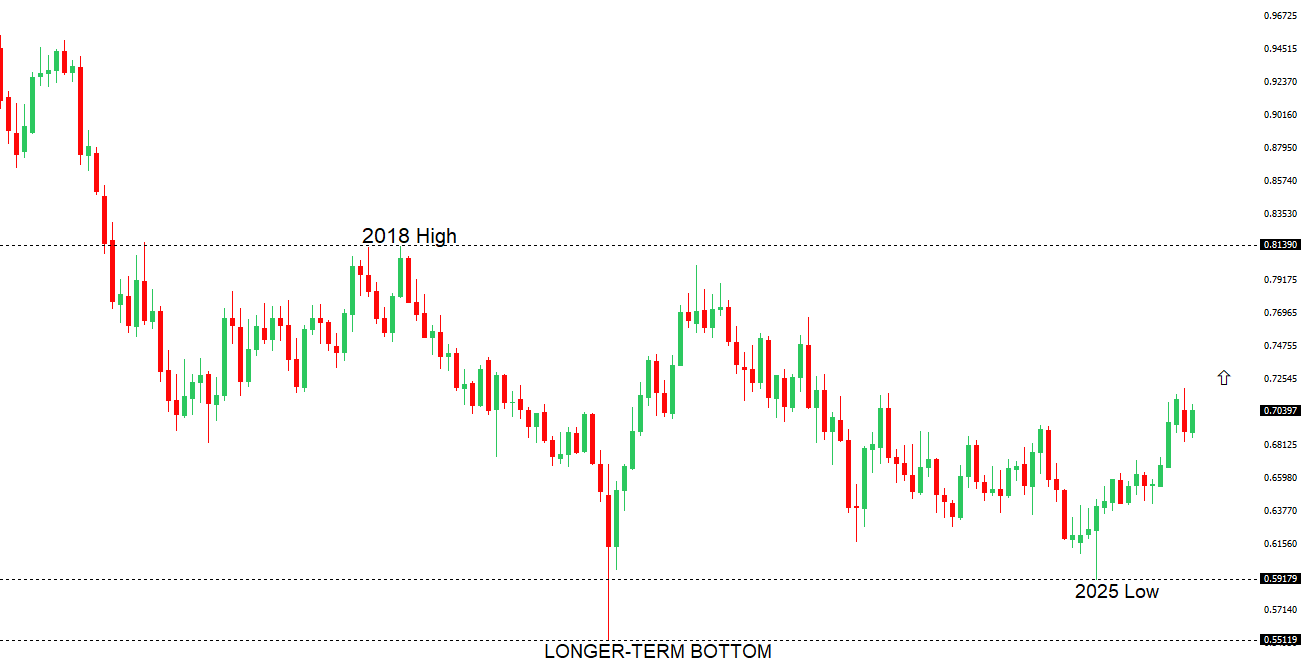
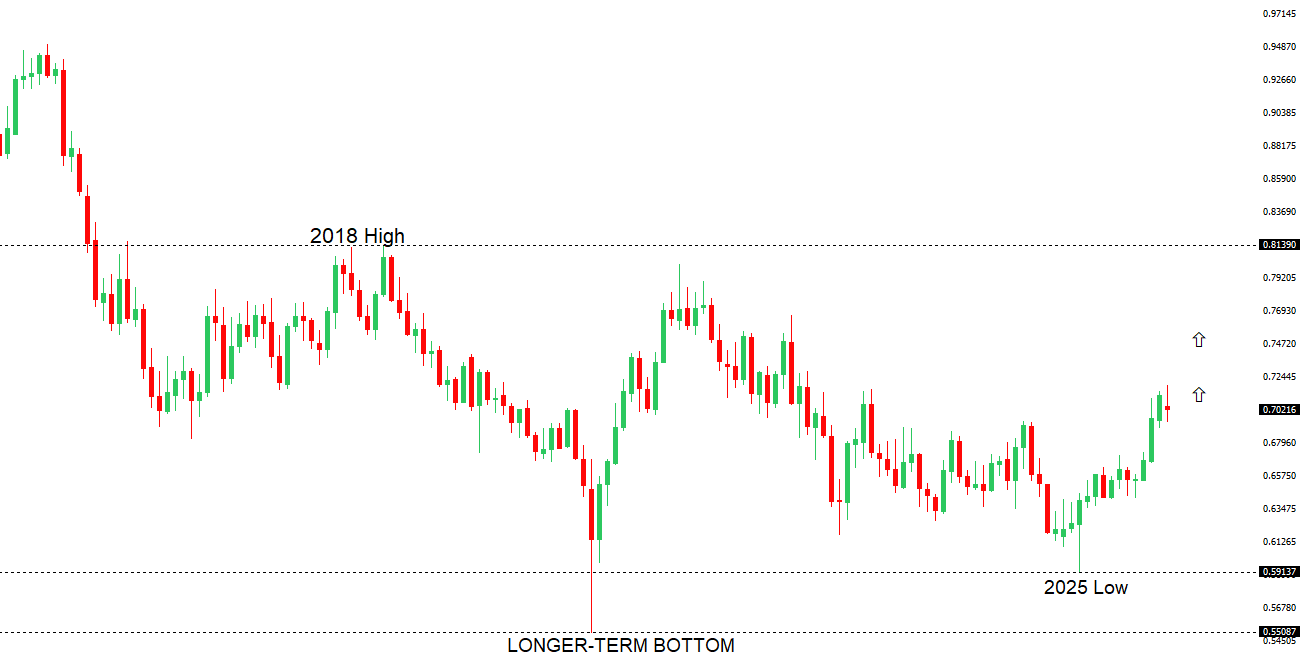
There are signs of the formation of a longer-term base with the market recovering out from a meaningful longer-term support zone. A monthly close back above 0.7000 will take the big picture pressure off the downside and strengthen case for a bottom. Setbacks should now be well supported ahead of 0.6700.

AUDUSD Chart
R2 0.7158 - 2023 high - Strong
R1 0.7147 - 12 February/2026 high - Strong
S1 0.7007 - 9 February low - Medium
S2 0.6897 - 6 February low - Strong
AUDUSD: fundamental overview

The Australian dollar is weaker, pressured by safe-haven demand amid escalating US-Israel-Iran tensions, though supportive domestic data and strong commodity prices are providing some offset. If the conflict remains contained, volatility should ease and AUD could gradually recover, especially if Australian GDP and household spending surprise to the upside and reinforce signs of stabilizing growth. However, a deeper escalation that disrupts oil flows would likely strengthen the USD further and weigh on AUD, even if Australia’s commodity exposure offers some resilience, while only a rapid de-escalation would allow AUD to meaningfully re-rate higher in the near term.

 
Suggested reading

AI Hurtles Ahead, H. Marks, Oaktree Capital (February 28, 2026)

10 Cheap Dividend-Growth Stocks, S. Dziubinski, Morningstar (February 26, 2026)


Any opinions, news, research, analyses, prices or other information ("information") contained on this Blog, constitutes marketing communication and it has not been prepared in accordance with legal requirements designed to promote the independence of investment research. Further, the information contained within this Blog does not contain (and should not be construed as containing) investment advice or an investment recommendation, or an offer of, or solicitation for, a transaction in any financial instrument. LMAX Group has not verified the accuracy or basis-in-fact of any claim or statement made by any third parties as comments for every Blog entry.

LMAX Group will not accept liability for any loss or damage, including without limitation to, any loss of profit, which may arise directly or indirectly from use of or reliance on such information. No representation or warranty is given as to the accuracy or completeness of the above information. While the produced information was obtained from sources deemed to be reliable, LMAX Group does not provide any guarantees about the reliability of such sources. Consequently any person acting on it does so entirely at his or her own risk. It is not a place to slander, use unacceptable language or to promote LMAX Group or any other FX and CFD provider and any such postings, excessive or unjust comments and attacks will not be allowed and will be removed from the site immediately.

Day Image
27th February 2026 | view in browser
Euro holds firm, Pound stumbles

The euro has traded in a narrow range despite ongoing tariff and geopolitical uncertainty, but volatility could pick up today with key inflation data, political developments weighing on the pound, stronger Tokyo CPI pressuring dollar-yen, China easing FX rules, and month-end flows alongside US data adding further directional risk.


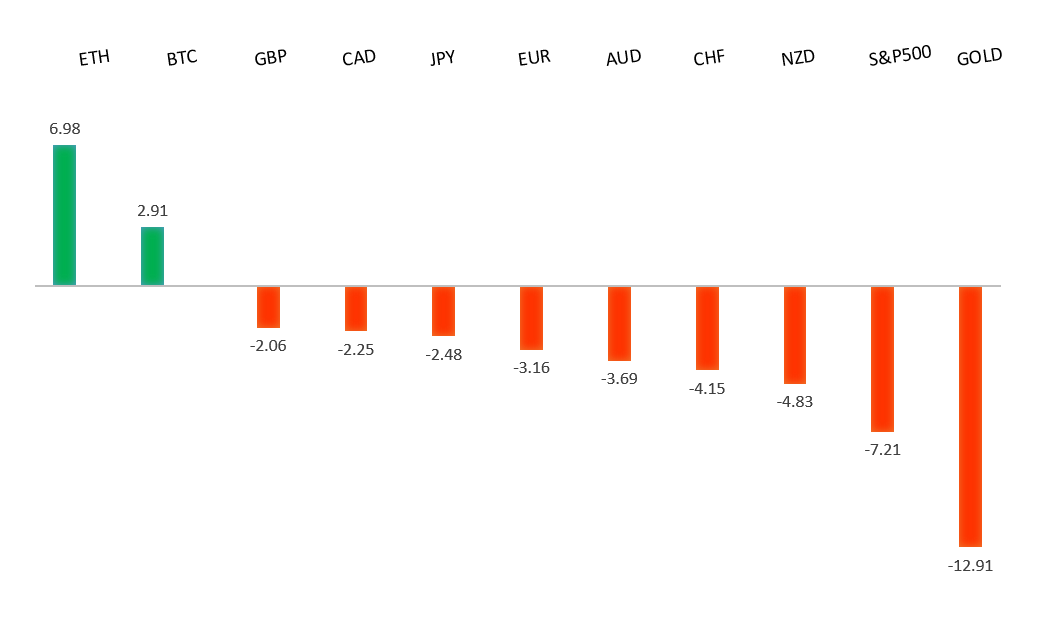
Performance chart 30day v. USD (%)
Performance Chart
 
 
Technical & fundamental highlights
EURUSD: technical overview

The Euro outlook remains constructive with higher lows sought out on dips in favor of the next major upside extension targeting the 2021 high at 1.2350. Setbacks should be exceptionally well supported ahead of 1.1500.

EURUSD Chart
R2 1.2081 - 27 Janaury/2026 high - Strong
R1 1.1929 - 10 February high - Medium
S1 1.1742 - 19 February low - Medium
S2 1.1728 - 23 January low - Medium
EURUSD: fundamental overview

The euro has been mostly trading sideways in recent sessions, as markets weigh US tariff threats, trade policy uncertainty, and ongoing US-Iran tensions. Germany’s growing trade deficit with China—driven by concerns over Chinese industrial overcapacity and an undervalued yuan—is adding structural pressure on the euro by undermining European manufacturing competitiveness and increasing the risk of strained EU-China relations. At the same time, weaker inflation readings have put the ECB on the defensive, and any further slowdown in upcoming data could revive rate-cut expectations, adding additional downside risk for the currency.

 
USDJPY: technical overview

There are signs of a meaningful top in place after the market put in a multi-year high in 2024. At this point, rallies should be well capped ahead of 160.00 in favor of a fresh down-leg back towards the 2024 low at 139.58. The recent break below 154.39 strengthens the outlook.

USDJPY Chart
R2 157.66 - 9 February high - Strong
R1 156.83 - 25 February high - Medium
S1 154.00 - 23 February low - Medium
S2 151.97 - 28 January/2026 low - Strong
USDJPY: fundamental overview

The yen strengthened modestly following Tokyo CPI data that showed inflation cooling at the headline level but remaining firm underneath, reinforcing expectations that the Bank of Japan will continue gradual rate hikes, potentially as soon as April. While policymakers remain cautious and political pressure favors accommodative policy, markets are increasingly positioning for further normalization, which should be supportive for the yen over time. Still, softer core inflation and wide global rate differentials suggest the yen is more likely to see two-way volatility rather than a sustained one-direction move, even as domestic demand shows signs of improvement.

 
AUDUSD: technical overview

There are signs of the formation of a longer-term base with the market recovering out from a meaningful longer-term support zone. A monthly close back above 0.7000 will take the big picture pressure off the downside and strengthen case for a bottom. Setbacks should now be well supported ahead of 0.6700.

AUDUSD Chart
R2 0.7158 - 2023 high - Strong
R1 0.7147 - 12 February/2026 high - Strong
S1 0.7007 - 9 February low - Medium
S2 0.6897 - 6 February low - Strong
AUDUSD: fundamental overview

The Australian dollar is up on the day and continues to build a stronger base above the early-February lows, supported by the RBA’s relatively hawkish stance and resilient domestic fundamentals. While January private credit growth slowed on a monthly basis, annual growth remains firm, and broader data—including solid business investment and inflation still above target—reinforce expectations that policy will stay restrictive for now. This rate advantage versus a more easing-leaning Fed should help underpin the AUD and limit near-term downside, with any further RBA rate hikes more likely later in 2026 as incoming inflation and growth data confirm the outlook.

 
Suggested reading

Ai Can Do Many Things But Market Analysis? Nope., J. Rekenthaler, Morningstar (February 26, 2026)

The U.S. Economy Needs Competition That AI Can Provide, B. Khurana, Barron’s (February 24, 2026)


Any opinions, news, research, analyses, prices or other information ("information") contained on this Blog, constitutes marketing communication and it has not been prepared in accordance with legal requirements designed to promote the independence of investment research. Further, the information contained within this Blog does not contain (and should not be construed as containing) investment advice or an investment recommendation, or an offer of, or solicitation for, a transaction in any financial instrument. LMAX Group has not verified the accuracy or basis-in-fact of any claim or statement made by any third parties as comments for every Blog entry.

LMAX Group will not accept liability for any loss or damage, including without limitation to, any loss of profit, which may arise directly or indirectly from use of or reliance on such information. No representation or warranty is given as to the accuracy or completeness of the above information. While the produced information was obtained from sources deemed to be reliable, LMAX Group does not provide any guarantees about the reliability of such sources. Consequently any person acting on it does so entirely at his or her own risk. It is not a place to slander, use unacceptable language or to promote LMAX Group or any other FX and CFD provider and any such postings, excessive or unjust comments and attacks will not be allowed and will be removed from the site immediately.

Day Image
26th February 2026 | view in browser
Fragile risk mood dominates early trade

Global markets are starting the day cautiously, with the yen stabilizing on more hawkish BOJ signals, the dollar softening amid geopolitical developments, capital rotating into Australian bonds, and investors awaiting US jobless claims and central bank commentary against a backdrop of renewed trade tensions.


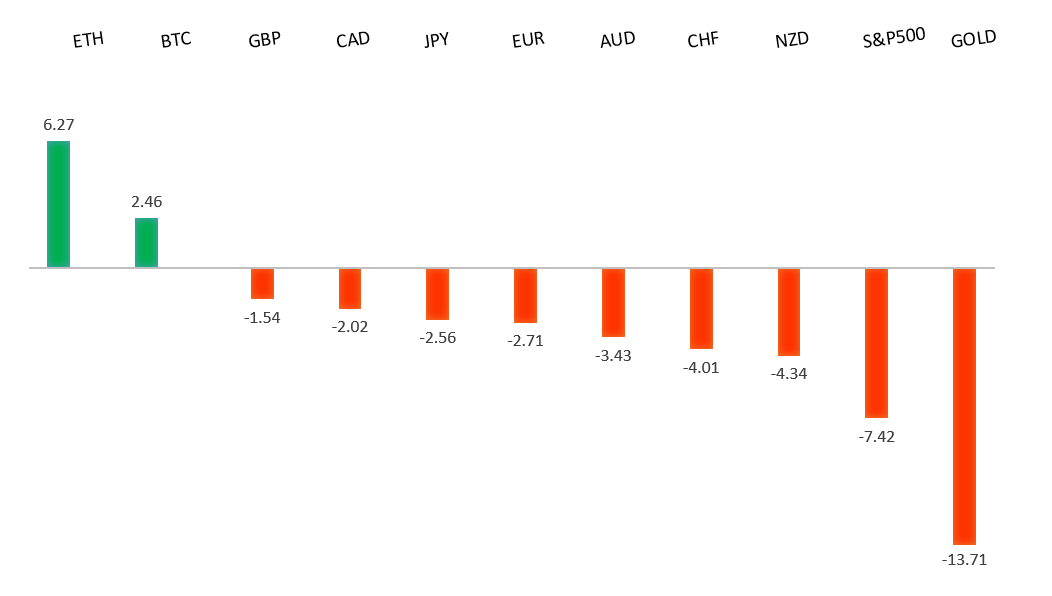
Performance chart 30day v. USD (%)
Performance Chart
 
 
Technical & fundamental highlights
EURUSD: technical overview

The Euro outlook remains constructive with higher lows sought out on dips in favor of the next major upside extension targeting the 2021 high at 1.2350. Setbacks should be exceptionally well supported ahead of 1.1500.

EURUSD Chart
R2 1.2081 - 27 Janaury/2026 high - Strong
R1 1.1929 - 10 February high - Medium
S1 1.1742 - 19 February low - Medium
S2 1.1728 - 23 January low - Medium
EURUSD: fundamental overview

The euro is hovering around its 50-day moving average as markets weigh US tariff threats, trade uncertainty and ongoing US-Iran tensions. In the near term, risks remain tilted against the euro: cooling inflation across the euro area is increasing expectations for ECB rate cuts, and softer data compared to the ECB’s projections could limit euro rallies, especially with the dollar supported by safe-haven flows and relatively high US real yields. While Germany’s economy is showing early signs of cyclical improvement, weak consumer confidence and cautious household spending suggest any recovery will be slow and reliant on investment and exports, leaving it exposed to global trade headwinds.

 
USDJPY: technical overview

There are signs of a meaningful top in place after the market put in a multi-year high in 2024. At this point, rallies should be well capped ahead of 160.00 in favor of a fresh down-leg back towards the 2024 low at 139.58. The recent break below 154.39 strengthens the outlook.

USDJPY Chart
R2 157.66 - 9 February high - Strong
R1 156.83 - 25 February high - Medium
S1 154.00 - 23 February low - Medium
S2 151.97 - 28 January/2026 low - Strong
USDJPY: fundamental overview

The yen firmed after hawkish comments from Bank of Japan officials, with board member Hajime Takata saying further rate hikes may be needed as inflation nears target, while Governor Kazuo Ueda stressed a data-dependent but ongoing normalization path. Earlier, the nomination of two more dovish academics to the BOJ board had weighed on the yen and pushed long-dated JGB yields higher, reinforcing expectations that any additional tightening may be delayed rather than derailed. In the near term, negative headlines and lingering skepticism toward Japan’s rebound keep USDJPY biased higher, but underlying macro conditions remain relatively stable and US sensitivity to excessive yen weakness should help cap gains near the 158–159 area. Tactically, this favors selling rallies into multi-month highs rather than chasing an upside breakout, especially ahead of the March 19 meeting between PM Takaichi and President Trump.

 
AUDUSD: technical overview

There are signs of the formation of a longer-term base with the market recovering out from a meaningful longer-term support zone. A monthly close back above 0.7000 will take the big picture pressure off the downside and strengthen case for a bottom. Setbacks should now be well supported ahead of 0.6700.

AUDUSD Chart
R2 0.7158 - 2023 high - Strong
R1 0.7147 - 12 February/2026 high - Strong
S1 0.7007 - 9 February low - Medium
S2 0.6897 - 6 February low - Strong
AUDUSD: fundamental overview

The Australian dollar is stabilizing above key support at 0.7007, with potential to rebound toward the 0.7147–0.7158 area as long as this level holds. Recent Australian capex data showed modest growth, beating expectations but slowing sharply from the previous quarter, highlighting softer business investment overall despite ongoing support from large infrastructure projects. The broader backdrop remains supportive for AUD, as the RBA’s more hawkish stance and still-elevated inflation contrast with expectations for eventual Fed easing, helping limit downside near 0.70. In the near term, price action will depend on whether markets focus on persistent inflation and tight labor conditions—which support further RBA tightening later this year—or signs inflation is cooling. For now, the bias remains constructive above 0.7007, with scope for further gains toward 0.72–0.73 if upside momentum builds, while a break below support would shift risks back toward 0.6897.

 
Suggested reading

The scramble for Morocco’s energy future, R. Millard, Financial Times (February 26, 2026)

The Mirage and Disconnect Between Markets and Reality, E. Ghirarduzzi, Substack (February 24, 2026)


Any opinions, news, research, analyses, prices or other information ("information") contained on this Blog, constitutes marketing communication and it has not been prepared in accordance with legal requirements designed to promote the independence of investment research. Further, the information contained within this Blog does not contain (and should not be construed as containing) investment advice or an investment recommendation, or an offer of, or solicitation for, a transaction in any financial instrument. LMAX Group has not verified the accuracy or basis-in-fact of any claim or statement made by any third parties as comments for every Blog entry.

LMAX Group will not accept liability for any loss or damage, including without limitation to, any loss of profit, which may arise directly or indirectly from use of or reliance on such information. No representation or warranty is given as to the accuracy or completeness of the above information. While the produced information was obtained from sources deemed to be reliable, LMAX Group does not provide any guarantees about the reliability of such sources. Consequently any person acting on it does so entirely at his or her own risk. It is not a place to slander, use unacceptable language or to promote LMAX Group or any other FX and CFD provider and any such postings, excessive or unjust comments and attacks will not be allowed and will be removed from the site immediately.

Day Image
25th February 2026 | view in browser
Buck eases amid Trump spotlight and cautious central banks

The US dollar begins the day on softer footing amid focus on Trump’s headline-driven political developments, cautious Fed signals, dovish-leaning BOJ expectations, and mixed global data.


Performance chart 30day v. USD (%)
Performance Chart
 
 
Technical & fundamental highlights
EURUSD: technical overview

The Euro outlook remains constructive with higher lows sought out on dips in favor of the next major upside extension targeting the 2021 high at 1.2350. Setbacks should be exceptionally well supported ahead of 1.1500.

EURUSD Chart
R2 1.2081 - 27 Janaury/2026 high - Strong
R1 1.1929 - 10 February high - Medium
S1 1.1742 - 19 February low - Medium
S2 1.1728 - 23 January low - Medium
EURUSD: fundamental overview

The euro is up slightly but remains under pressure near its 50-day average, weighed down by US tariff threats, trade uncertainty, and geopolitical tensions, while the dollar continues to draw support from elevated US yields and expectations the Fed will keep rates higher for longer. Germany’s March GfK consumer confidence is expected to improve modestly, helped by stronger income expectations and easing inflation, though sentiment remains weak and gains are likely to be limited amid economic and geopolitical uncertainty. Meanwhile, Chancellor Friedrich Merz is reshaping Germany’s China strategy toward a pragmatic “de-risking” approach—seeking fair, rules-based trade and reduced dependencies while maintaining cooperation and positioning Europe’s relationship with China as balanced, resilient, and mutually respectful.

 
USDJPY: technical overview

There are signs of a meaningful top in place after the market put in a multi-year high in 2024. At this point, rallies should be well capped ahead of 160.00 in favor of a fresh down-leg back towards the 2024 low at 139.58. The recent break below 154.39 strengthens the outlook.

USDJPY Chart
R2 157.66 - 9 February high - Strong
R1 156.30 - 10 February high - Medium
S1 154.00 - 23 February low - Medium
S2 151.97 - 28 January/2026 low - Strong
USDJPY: fundamental overview

The yen is holding steady, but recent political developments point to continued near-term weakness. Prime Minister Takaichi’s nomination of reflation-leaning academics to the BOJ board and her cautious stance on further rate hikes have lowered expectations for near-term tightening, reinforcing the view that Japan’s real yields will remain deeply negative. Combined with soft demand from China and ongoing US–Japan rate differentials, this backdrop favors dollar strength, with USDJPY likely biased higher in the coming weeks, though excessive yen weakness could trigger verbal intervention. Meanwhile, steady services inflation supports gradual policy normalization over time but offers no urgency for the BOJ to accelerate hikes.

 
AUDUSD: technical overview

There are signs of the formation of a longer-term base with the market recovering out from a meaningful longer-term support zone. A monthly close back above 0.7000 will take the big picture pressure off the downside and strengthen case for a bottom. Setbacks should now be well supported ahead of 0.6700.

AUDUSD Chart
R2 0.7158 - 2023 high - Strong
R1 0.7147 - 12 February/2026 high - Strong
S1 0.7007 - 9 February low - Medium
S2 0.6897 - 6 February low - Strong
AUDUSD: fundamental overview

The Australian dollar has been bid up after stronger-than-expected January CPI reinforced the view that the RBA may still tighten policy this year. Headline CPI rose 0.4% MoM, bringing the annual rate to 3.8%, above expectations and still well above the RBA’s 2–3% target, highlighting persistent inflation, especially in services. Markets now see a modest chance of another rate hike as soon as March, with slightly higher expectations for further tightening into May. The RBA expects inflation to peak around mid-2026 before gradually easing, though strong demand, higher travel and fuel costs, and ongoing labor market pressures continue to keep price growth elevated for now.

 
Suggested reading

Muted Response To Nothing Really Happening, J. Calhoun, Alhambra Investments (February 22, 2026)

Stock Market Drives Economy, But For How Much Longer?, R. Forsyth, Barron’s (February 20, 2026)


Any opinions, news, research, analyses, prices or other information ("information") contained on this Blog, constitutes marketing communication and it has not been prepared in accordance with legal requirements designed to promote the independence of investment research. Further, the information contained within this Blog does not contain (and should not be construed as containing) investment advice or an investment recommendation, or an offer of, or solicitation for, a transaction in any financial instrument. LMAX Group has not verified the accuracy or basis-in-fact of any claim or statement made by any third parties as comments for every Blog entry.

LMAX Group will not accept liability for any loss or damage, including without limitation to, any loss of profit, which may arise directly or indirectly from use of or reliance on such information. No representation or warranty is given as to the accuracy or completeness of the above information. While the produced information was obtained from sources deemed to be reliable, LMAX Group does not provide any guarantees about the reliability of such sources. Consequently any person acting on it does so entirely at his or her own risk. It is not a place to slander, use unacceptable language or to promote LMAX Group or any other FX and CFD provider and any such postings, excessive or unjust comments and attacks will not be allowed and will be removed from the site immediately.

Day Image
24th February 2026 | view in browser
Cautious optimism amid tariff uncertainty

Markets are cautiously firmer with US futures edging higher and the dollar steady, as investors weigh renewed US tariff risks, upcoming US data, central bank commentary, and persistent geopolitical tensions.


Performance chart 30day v. USD (%)
Performance Chart
 
 
Technical & fundamental highlights
EURUSD: technical overview

The Euro outlook remains constructive with higher lows sought out on dips in favor of the next major upside extension targeting the 2021 high at 1.2350. Setbacks should be exceptionally well supported ahead of 1.1500.

EURUSD Chart
R2 1.2081 - 27 Janaury/2026 high - Strong
R1 1.1929 - 10 February high - Medium
S1 1.1742 - 19 February low - Medium
S2 1.1728 - 23 January low - Medium
EURUSD: fundamental overview

The euro is struggling to hold above its 50‑day moving average as the dollar regains some strength, supported by elevated US yields and expectations that the Federal Reserve will keep rates higher for longer. While Germany’s February IFO survey showed modest improvement and early signs of stabilization, it points to a slow and fragile recovery rather than a strong rebound, offering only limited support for the euro. At the same time, ECB President Lagarde signaled no urgency to adjust rates and emphasized a cautious, data‑dependent approach, while softer euro‑area inflation trends and weakening external demand suggest risks remain tilted toward future monetary easing, which could continue to weigh on the euro near term.

 
USDJPY: technical overview

There are signs of a meaningful top in place after the market put in a multi-year high in 2024. At this point, rallies should be well capped ahead of 160.00 in favor of a fresh down-leg back towards the 2024 low at 139.58. The recent break below 154.39 strengthens the outlook.

USDJPY Chart
R2 156.30 - 10 February high - Medium
R1 155.65 - 20 February high - Medium
S1 152.24 - 12 February low - Medium
S2 151.97 - 28 January/2026 low - Strong
USDJPY: fundamental overview

USDJPY has risen to 155.18, moving back above its 100-day moving average and consolidating near 155 as it attempts to resume its broader uptrend, with resistance seen near the 50-day moving average around 156. Former BOJ board member Makoto Sakurai said the central bank could raise rates as early as March if yen weakness continues, noting that rate hikes are more effective than direct intervention in supporting the currency. Persistent inflation pressures, highlighted by steady services PPI and supported by potential wage gains, reinforce the case for further tightening, though the BOJ is expected to proceed gradually to avoid putting strain on banks and smaller businesses.

 
AUDUSD: technical overview

There are signs of the formation of a longer-term base with the market recovering out from a meaningful longer-term support zone. A monthly close back above 0.7000 will take the big picture pressure off the downside and strengthen case for a bottom. Setbacks should now be well supported ahead of 0.6700.

AUDUSD Chart
R2 0.7158 - 2023 high - Strong
R1 0.7147 - 12 February/2026 high - Strong
S1 0.7007 - 9 February low - Medium
S2 0.6897 - 6 February low - Strong
AUDUSD: fundamental overview

The Australian dollar is holding steady despite a stronger US dollar, with upside potential toward the 0.7150 area as long as support above 0.7000 holds. Markets are now focused on Australia’s January CPI release, which will help determine whether the RBA’s recent rate hike was a one-off or the start of a new tightening cycle. While inflation is expected to ease slightly, core price pressures are likely to remain above target, keeping the RBA cautious and maintaining the possibility of another rate hike around May if inflation proves persistent. In the near term, the Aussie could move higher if inflation data support further tightening expectations, though geopolitical tensions and weaker risk sentiment are limiting gains for now.

 
Suggested reading

On Tariffs, Supremes Provide Us a Bit More Clarity, Fisher Investments (February 20, 2026)

Reign of the Dollar’s Over. What Investors Can Do About It, R. Kapadia, Barron’s (February 19, 2026)


Any opinions, news, research, analyses, prices or other information ("information") contained on this Blog, constitutes marketing communication and it has not been prepared in accordance with legal requirements designed to promote the independence of investment research. Further, the information contained within this Blog does not contain (and should not be construed as containing) investment advice or an investment recommendation, or an offer of, or solicitation for, a transaction in any financial instrument. LMAX Group has not verified the accuracy or basis-in-fact of any claim or statement made by any third parties as comments for every Blog entry.

LMAX Group will not accept liability for any loss or damage, including without limitation to, any loss of profit, which may arise directly or indirectly from use of or reliance on such information. No representation or warranty is given as to the accuracy or completeness of the above information. While the produced information was obtained from sources deemed to be reliable, LMAX Group does not provide any guarantees about the reliability of such sources. Consequently any person acting on it does so entirely at his or her own risk. It is not a place to slander, use unacceptable language or to promote LMAX Group or any other FX and CFD provider and any such postings, excessive or unjust comments and attacks will not be allowed and will be removed from the site immediately.

Day Image
23rd February 2026 | view in browser
Tariff shock weighs on dollar

Global markets start the day with the dollar under pressure following the US tariff ruling, oil softer amid renewed geopolitical tensions, and incoming data from Europe and the US reinforcing a fragile but still expanding global economy against a backdrop of ongoing trade and political uncertainty.


Performance chart 30day v. USD (%)
Performance Chart
 
 
Technical & fundamental highlights
EURUSD: technical overview

The Euro outlook remains constructive with higher lows sought out on dips in favor of the next major upside extension targeting the 2021 high at 1.2350. Setbacks should be exceptionally well supported ahead of 1.1500.

EURUSD Chart
R2 1.2081 - 27 Janaury/2026 high - Strong
R1 1.1929 - 10 February high - Medium
S1 1.1742 - 19 February low - Medium
S2 1.1728 - 23 January low - Medium
EURUSD: fundamental overview

Euro-area data and market pricing suggest the euro remains mildly constructive but vulnerable in the near term, with downside risks increasingly driven by geopolitics and US trade policy rather than domestic fundamentals. Rising US-Iran tensions, elevated war risks in Europe, and renewed tariff uncertainty have strengthened the dollar’s safe-haven appeal, while options markets show growing demand for downside euro protection. Many analysts warn EURUSD could drift lower toward the mid-1.16 area if geopolitical tensions or trade pressures intensify, with rallies likely capped unless external risks ease. Meanwhile, upcoming euro-area data—particularly Germany’s IFO survey—is expected to show only modest improvement, reinforcing the view of a fragile, sideways economy rather than a clear recovery.

 
USDJPY: technical overview

There are signs of a meaningful top in place after the market put in a multi-year high in 2024. At this point, rallies should be well capped ahead of 160.00 in favor of a fresh down-leg back towards the 2024 low at 139.58. The recent break below 154.39 strengthens the outlook.

USDJPY Chart
R2 156.30 - 10 February high - Medium
R1 155.65 - 20 February high - Medium
S1 152.24 - 12 February low - Medium
S2 151.97 - 28 January/2026 low - Strong
USDJPY: fundamental overview

USDJPY remains supported above the late-January low after pulling back from its early-February peak, with price now consolidating around 155. Prime Minister Sanae Takaichi’s first major policy speech signaled a shift away from austerity toward more expansionary, investment-led fiscal policy, though framed carefully to reassure markets about debt sustainability and currency stability. While the outlook is seen as mildly negative for the yen over time due to looser fiscal conditions, her emphasis on stability and caution against excessive weakness may limit downside risks. Meanwhile, former BOJ official Makoto Sakurai noted the central bank could raise rates as early as March if yen depreciation intensifies, with gradual tightening expected longer term as policymakers balance inflation risks against financial stability concerns. Key upcoming data include Tokyo CPI and Retail Sales, which could influence policy expectations.

 
AUDUSD: technical overview

There are signs of the formation of a longer-term base with the market recovering out from a meaningful longer-term support zone. A monthly close back above 0.7000 will take the big picture pressure off the downside and strengthen case for a bottom. Setbacks should now be well supported ahead of 0.6700.

AUDUSD Chart
R2 0.7158 - 2023 high - Strong
R1 0.7147 - 12 February/2026 high - Strong
S1 0.7007 - 9 February low - Medium
S2 0.6897 - 6 February low - Strong
AUDUSD: fundamental overview

The Australian Dollar continues to find strong support above the 9 February low, with consistent buying seen, leaving room for a rebound toward the 0.7147–0.7158 area if this base holds. Australia’s labor market remains tight, with unemployment at 4.1%, solid job gains, and firm wage growth, reinforcing concerns that inflation pressures will persist. Combined with ongoing fiscal support and expectations that the RBA may raise rates further—potentially keeping them above those in the U.S.—the policy outlook favors the AUD, especially as USD sentiment has softened amid tariff-related uncertainty and shifting Fed expectations. Near-term direction will hinge on upcoming Australian inflation data and guidance from the RBA Governor, both critical for shaping expectations around additional tightening or a pause.

 
Suggested reading

Market Effects of War With Iran: Likely Immaterial, Fisher Investments (February 20, 2026)

What to Make of This Very Weird Market, J. Mackintosh, The Wall Street Journal (February 19, 2026)


Any opinions, news, research, analyses, prices or other information ("information") contained on this Blog, constitutes marketing communication and it has not been prepared in accordance with legal requirements designed to promote the independence of investment research. Further, the information contained within this Blog does not contain (and should not be construed as containing) investment advice or an investment recommendation, or an offer of, or solicitation for, a transaction in any financial instrument. LMAX Group has not verified the accuracy or basis-in-fact of any claim or statement made by any third parties as comments for every Blog entry.

LMAX Group will not accept liability for any loss or damage, including without limitation to, any loss of profit, which may arise directly or indirectly from use of or reliance on such information. No representation or warranty is given as to the accuracy or completeness of the above information. While the produced information was obtained from sources deemed to be reliable, LMAX Group does not provide any guarantees about the reliability of such sources. Consequently any person acting on it does so entirely at his or her own risk. It is not a place to slander, use unacceptable language or to promote LMAX Group or any other FX and CFD provider and any such postings, excessive or unjust comments and attacks will not be allowed and will be removed from the site immediately.

Day Image
20th February 2026 | view in browser
Macro steady, risks elevated

Global markets enter the day facing elevated geopolitical risk alongside resilient but uneven economic momentum, with cooling inflation in Japan, fragile but stabilizing growth in Europe, and still-firm US activity and inflation reinforcing a cautious outlook for gradual normalization rather than a sharp slowdown.


Performance chart 30day v. USD (%)
Performance Chart
 
 
Technical & fundamental highlights
EURUSD: technical overview

The Euro outlook remains constructive with higher lows sought out on dips in favor of the next major upside extension targeting the 2021 high at 1.2350. Setbacks should be exceptionally well supported ahead of 1.1500.

EURUSD Chart
R2 1.2081 - 27 Janaury/2026 high - Strong
R1 1.1929 - 10 February high - Medium
S1 1.1742 - 19 February low - Medium
S2 1.1728 - 23 January low - Medium
EURUSD: fundamental overview

The euro enters late February under pressure, as fading momentum and political uncertainty offset a still-stable economic backdrop. The ECB kept rates unchanged and maintained a cautious, data-dependent stance as inflation eases and growth remains modest but supported by strong services, government spending, and resilient domestic demand, even as exports face headwinds. Markets still favor buying dips, though positioning appears stretched and vulnerable to periods of dollar strength. Meanwhile, ECB President Christine Lagarde emphasized the importance of preserving and reforming the global rules-based system, warning against fragmentation into rival blocs. Upcoming PMI and wage data, particularly from Germany, are expected to show gradual improvement led by services and a stabilizing manufacturing sector, reinforcing the view of a fragile but ongoing recovery.

 
USDJPY: technical overview

There are signs of a meaningful top in place after the market put in a multi-year high in 2024. At this point, rallies should be well capped ahead of 160.00 in favor of a fresh down-leg back towards the 2024 low at 139.58. The recent break below 154.39 strengthens the outlook.

USDJPY Chart
R2 156.30 - 10 February high - Medium
R1 155.35 - 19 February high - Medium
S1 152.24 - 12 February low - Medium
S2 151.97 - 28 January/2026 low - Strong
USDJPY: fundamental overview

USDJPY has rebounded after pulling back from its February high, now recovering toward the 50-day moving average near 156. Japan’s latest CPI data showed headline and core inflation easing due to temporary factors, but underlying price pressures remain firm, reinforcing expectations that the Bank of Japan will continue normalizing policy gradually rather than rushing into near-term rate hikes. While softer inflation reduces immediate support for the yen and helps keep USDJPY elevated, persistent underlying inflation and the BOJ’s sensitivity to currency weakness leave room for yen strength if price pressures pick up or depreciation intensifies. Meanwhile, stronger PMI readings point to improving business momentum, supporting confidence as the government prepares multi-year fiscal initiatives aimed at boosting long-term investment and growth.

 
AUDUSD: technical overview

There are signs of the formation of a longer-term base with the market recovering out from a meaningful longer-term support zone. A monthly close back above 0.7000 will take the big picture pressure off the downside and strengthen case for a bottom. Setbacks should now be well supported ahead of 0.6700.

AUDUSD Chart
R2 0.7158 - 2023 high - Strong
R1 0.7147 - 12 February/2026 high - Strong
S1 0.7007 - 9 February low - Medium
S2 0.6897 - 6 February low - Strong
AUDUSD: fundamental overview

The Australian dollar has held recent dips comfortably above the 9 February low of 0.7007, supported by still-tight domestic fundamentals. Strong labor data—including low unemployment, solid job gains, and firm wage growth—reinforce the view that the economy remains resilient and inflation risks persist, keeping the RBA biased toward further tightening or maintaining restrictive policy. Although recent PMI data point to slowing but still-positive growth alongside renewed price pressures, expectations for at least one more RBA hike—contrasted with a Fed closer to easing—continue to underpin the AUD, encouraging investors to buy dips rather than expect sustained downside.

 
Suggested reading

The AI Disruption We’ve Been Waiting for Has Arrived, P. Ford, NY Times (February 18, 2026)

Housing Doesn’t Need Higher Prices, Just More Homes, T. Peter, AEIdeas (February 18, 2026)


Any opinions, news, research, analyses, prices or other information ("information") contained on this Blog, constitutes marketing communication and it has not been prepared in accordance with legal requirements designed to promote the independence of investment research. Further, the information contained within this Blog does not contain (and should not be construed as containing) investment advice or an investment recommendation, or an offer of, or solicitation for, a transaction in any financial instrument. LMAX Group has not verified the accuracy or basis-in-fact of any claim or statement made by any third parties as comments for every Blog entry.

LMAX Group will not accept liability for any loss or damage, including without limitation to, any loss of profit, which may arise directly or indirectly from use of or reliance on such information. No representation or warranty is given as to the accuracy or completeness of the above information. While the produced information was obtained from sources deemed to be reliable, LMAX Group does not provide any guarantees about the reliability of such sources. Consequently any person acting on it does so entirely at his or her own risk. It is not a place to slander, use unacceptable language or to promote LMAX Group or any other FX and CFD provider and any such postings, excessive or unjust comments and attacks will not be allowed and will be removed from the site immediately.

Day Image
19th February 2026 | view in browser
Fed caution keeps dollar supported

The US dollar is firming as Fed officials signal caution on rate cuts amid persistent inflation risks, while global markets digest key economic data, resilient labor trends in Australia, and potential shifts in central bank leadership and policy direction in both the US and Japan.


Performance chart 30day v. USD (%)
Performance Chart
 
 
Technical & fundamental highlights
EURUSD: technical overview

The Euro outlook remains constructive with higher lows sought out on dips in favor of the next major upside extension targeting the 2021 high at 1.2350. Setbacks should be exceptionally well supported ahead of 1.1500.

EURUSD Chart
R2 1.2081 - 27 Janaury/2026 high - Strong
R1 1.1929 - 10 February high - Medium
S1 1.1765 - 6 February low - Medium
S2 1.1728 - 23 January low - Medium
EURUSD: fundamental overview

The euro slipped back below 1.18 after hawkish Fed minutes but remains supported above its 50-day moving average, suggesting only a modest near-term softening rather than a shift in trend. The euro faces some headwinds from increasingly dovish ECB signals, elevated positioning, and already strong valuation levels, which may limit upside for now. Still, many analysts view recent weakness as a correction within a broader 2026 uptrend driven mainly by expected dollar softness, with ECB policy likely to remain steady and rate differentials relatively stable in the near term.

 
USDJPY: technical overview

There are signs of a meaningful top in place after the market put in a multi-year high in 2024. At this point, rallies should be well capped ahead of 160.00 in favor of a fresh down-leg back towards the 2024 low at 139.58. The recent break below 154.39 strengthens the outlook.

USDJPY Chart
R2 156.30 - 10 February high - Medium
R1 155.35 - 19 February high - Medium
S1 152.24 - 12 February low - Medium
S2 151.97 - 28 January/2026 low - Strong
USDJPY: fundamental overview

The yen has weakened due to hawkish Fed minutes, rising US yields, and firmer oil prices, which increase Japan’s import costs. However, the medium-term outlook still leans modestly supportive for the yen, as expectations of gradual BOJ tightening, narrowing US-Japan rate differentials, and crowded short-yen positioning create conditions for potential strength, especially on dollar pullbacks. Fiscal concerns and JGB volatility could cause intermittent weakness, but improving capex data, policy normalization expectations, and closer US-Japan coordination reinforce a constructive bias for the yen overall, with near-term volatility likely around key policy developments and levels in USDJPY.

 
AUDUSD: technical overview

There are signs of the formation of a longer-term base with the market recovering out from a meaningful longer-term support zone. A monthly close back above 0.7000 will take the big picture pressure off the downside and strengthen case for a bottom. Setbacks should now be well supported ahead of 0.6700.

AUDUSD Chart
R2 0.7158 - 2023 high - Strong
R1 0.7147 - 12 February/2026 high - Strong
S1 0.7005 - 9 February low - Medium
S2 0.6897 - 6 February low - Strong
AUDUSD: fundamental overview

The Australian dollar has held onto its recent gains near 0.7100 and remains February’s top-performing G10 currency, though stretched positioning suggests limited room for further near-term upside. Analysts expect any pullbacks driven by weaker data or risk aversion to be temporary, with medium-term support coming from the RBA’s relatively hawkish stance as strong labor costs and still-tight employment conditions keep inflation risks elevated. Recent labor data reinforced this view, showing solid full-time job growth and steady unemployment, but signs of slowing employment momentum point to gradual cooling later in 2026. Overall, the AUD remains supported in the short term by yield differentials and policy divergence, though future gains may depend on whether economic strength can be sustained.

 
Suggested reading

Investors Are Getting The US Debasement Trade Wrong, J. Klement, Reuters (February 16, 2026)

Miami Still Isn’t The Next Silicon Valley. It’s Weirder, M. Russell, Business Insider (February 18, 2026)


Any opinions, news, research, analyses, prices or other information ("information") contained on this Blog, constitutes marketing communication and it has not been prepared in accordance with legal requirements designed to promote the independence of investment research. Further, the information contained within this Blog does not contain (and should not be construed as containing) investment advice or an investment recommendation, or an offer of, or solicitation for, a transaction in any financial instrument. LMAX Group has not verified the accuracy or basis-in-fact of any claim or statement made by any third parties as comments for every Blog entry.

LMAX Group will not accept liability for any loss or damage, including without limitation to, any loss of profit, which may arise directly or indirectly from use of or reliance on such information. No representation or warranty is given as to the accuracy or completeness of the above information. While the produced information was obtained from sources deemed to be reliable, LMAX Group does not provide any guarantees about the reliability of such sources. Consequently any person acting on it does so entirely at his or her own risk. It is not a place to slander, use unacceptable language or to promote LMAX Group or any other FX and CFD provider and any such postings, excessive or unjust comments and attacks will not be allowed and will be removed from the site immediately.

Day Image
18th February 2026 | view in browser
Balancing easing hopes with policy uncertainty

Global markets head into the new session balancing softer inflation signals and growing expectations for monetary easing in the UK and US against still-cautious central banks, evolving fiscal debates in Japan, and longer-term questions around AI-driven productivity and its potential impact on future interest rate paths.


Performance chart 30day v. USD (%)
Performance Chart
 
 
Technical & fundamental highlights
EURUSD: technical overview

The Euro outlook remains constructive with higher lows sought out on dips in favor of the next major upside extension targeting the 2021 high at 1.2350. Setbacks should be exceptionally well supported ahead of 1.1500.

EURUSD Chart
R2 1.2081 - 27 Janaury/2026 high - Strong
R1 1.1929 - 10 February high - Medium
S1 1.1765 - 6 February low - Medium
S2 1.1728 - 23 January low - Medium
EURUSD: fundamental overview

The euro is under mild pressure after a weaker-than-expected German ZEW survey weighed on sentiment. ECB Vice President-designate Vujčić noted the euro has an opportunity to expand its global role as confidence in the dollar is reassessed, though structural limitations remain. Near term, the euro’s direction will be driven mainly by USD moves and incoming eurozone inflation data, including France’s final January CPI release later today.

 
USDJPY: technical overview

There are signs of a meaningful top in place after the market put in a multi-year high in 2024. At this point, rallies should be well capped ahead of 160.00 in favor of a fresh down-leg back towards the 2024 low at 139.58. The recent break below 154.39 strengthens the outlook.

USDJPY Chart
R2 156.30 - 10 February high - Medium
R1 154.52 - 11 February high - Medium
S1 152.24 - 12 February low - Medium
S2 151.97 - 28 January/2026 low - Strong
USDJPY: fundamental overview

USDJPY is trying to reverse Tuesday’s modest dip but still trading near last week’s roughly two-week low of 152.24. Japan’s January trade data showed exports jumping 16.8% year-over-year—the strongest increase in more than three years—driven by solid demand from Asia and Europe and some pre-Lunar New Year shipments, while weaker imports helped narrow the trade deficit. Although the strong export performance points to improving growth momentum, USD strength and higher US yields remain the key drivers. Continued gains in US yields could push USDJPY back toward the mid-154s, while a shift toward risk aversion or changing BoJ expectations would be needed to drive the pair back toward 152.

 
AUDUSD: technical overview

There are signs of the formation of a longer-term base with the market recovering out from a meaningful longer-term support zone. A monthly close back above 0.7000 will take the big picture pressure off the downside and strengthen case for a bottom. Setbacks should now be well supported ahead of 0.6700.

AUDUSD Chart
R2 0.7158 - 2023 high - Strong
R1 0.7147 - 12 February/2026 high - Strong
S1 0.7005 - 9 February low - Medium
S2 0.6897 - 6 February low - Strong
AUDUSD: fundamental overview

The Australian dollar is trading with a softer tone today. Earlier, RBA meeting minutes struck a more cautious tone, highlighting a data-dependent approach and balanced risks, even as officials acknowledged rising concerns around inflation and the labor market before the last rate hike. Despite the recent dip, the currency remains up 6.2% year-to-date, supported by the RBA’s hawkish stance and ongoing focus on wage pressures, especially in services. Attention now turns to Thursday’s employment report, which is expected to show a 20,000 increase in jobs and a slight rise in unemployment to 4.2%.

 
Suggested reading

Can USD Remain World’s Currency?, P. Fenwick, Foundation of Economic Education (February 13, 2026)

Thematic Investing Is Fun, But Is It Good for Investors?, M. Cannivet, Forbes (February 13, 2026)


Any opinions, news, research, analyses, prices or other information ("information") contained on this Blog, constitutes marketing communication and it has not been prepared in accordance with legal requirements designed to promote the independence of investment research. Further, the information contained within this Blog does not contain (and should not be construed as containing) investment advice or an investment recommendation, or an offer of, or solicitation for, a transaction in any financial instrument. LMAX Group has not verified the accuracy or basis-in-fact of any claim or statement made by any third parties as comments for every Blog entry.

LMAX Group will not accept liability for any loss or damage, including without limitation to, any loss of profit, which may arise directly or indirectly from use of or reliance on such information. No representation or warranty is given as to the accuracy or completeness of the above information. While the produced information was obtained from sources deemed to be reliable, LMAX Group does not provide any guarantees about the reliability of such sources. Consequently any person acting on it does so entirely at his or her own risk. It is not a place to slander, use unacceptable language or to promote LMAX Group or any other FX and CFD provider and any such postings, excessive or unjust comments and attacks will not be allowed and will be removed from the site immediately.

Day Image
17th February 2026 | view in browser
Central banks cautious as geopolitics heat up

Markets open with central banks remaining cautious amid persistent inflation and mixed labor signals, while key US data and rising geopolitical tensions—including Russia-Ukraine and US-Iran talks—keep global risk sentiment and energy markets in focus.


Performance chart 30day v. USD (%)
Performance Chart
 
 
Technical & fundamental highlights
EURUSD: technical overview

The Euro outlook remains constructive with higher lows sought out on dips in favor of the next major upside extension targeting the 2021 high at 1.2350. Setbacks should be exceptionally well supported ahead of 1.1500.

EURUSD Chart
R2 1.2081 - 27 Janaury/2026 high - Strong
R1 1.1929 - 10 February high - Medium
S1 1.1765 - 6 February low - Medium
S2 1.1728 - 23 January low - Medium
EURUSD: fundamental overview

The euro edged lower and is on track for a sixth straight day of losses, gradually approaching—but not yet decisively testing—the 50-day moving average near 1.1770. ECB President Lagarde struck a constructive tone, suggesting US trade tensions could accelerate European reforms, while the ECB’s plan to extend repo lines to foreign central banks from Q3 2026 reinforces efforts to boost euro liquidity and strengthen its global standing. Today’s German final January CPI and February ZEW expectations survey could provide additional near-term direction.

 
USDJPY: technical overview

There are signs of a meaningful top in place after the market put in a multi-year high in 2024. At this point, rallies should be well capped ahead of 160.00 in favor of a fresh down-leg back towards the 2024 low at 139.58. The recent break below 154.39 strengthens the outlook.

USDJPY Chart
R2 156.30 - 10 February high - Medium
R1 154.52 - 11 February high - Medium
S1 152.24 - 12 February low - Medium
S2 151.97 - 28 January/2026 low - Strong
USDJPY: fundamental overview

The pair is tracking lower today, giving back part of Monday’s roughly 0.5% rebound that snapped a five-day losing streak, and remains close to last week’s two-week low of 152.24. The yen has steadied amid renewed attention on domestic fiscal policy coordination and comments from former BOJ board member Saiji Adachi pointing to a possible April rate hike. Although Governor Ueda said no explicit rate request was made in talks with PM Takaichi, markets remain sensitive to gradual signals of policy normalization.

 
AUDUSD: technical overview

There are signs of the formation of a longer-term base with the market recovering out from a meaningful longer-term support zone. A monthly close back above 0.7000 will take the big picture pressure off the downside and strengthen case for a bottom. Setbacks should now be well supported ahead of 0.6700.

AUDUSD Chart
R2 0.7158 - 2023 high - Strong
R1 0.7147 - 12 February/2026 high - Strong
S1 0.7005 - 9 February low - Medium
S2 0.6897 - 6 February low - Strong
AUDUSD: fundamental overview

The Australian dollar slipped after the RBA minutes reinforced a data-dependent stance, stressing that the February rate hike to 3.85% was needed due to persistent inflation and a tight labor market, while offering little clarity on the near-term policy path. Although the lack of new hawkish signals limited immediate upside, the RBA’s firm tone and resilient domestic data should continue to support the AUD. Markets assign low odds of a March hike but expect a strong chance of further tightening later this year, with upcoming employment data—forecast to show solid job gains and a slight rise in unemployment—likely to shape expectations.

 
Suggested reading

7 Charts Guaranteed to Stress You Out About Market, J. Adinolfi, Marketwatch (February 15, 2026)

January’s Employment: Handy Sentiment Check-In, Fisher Investments (February 11, 2026)


Any opinions, news, research, analyses, prices or other information ("information") contained on this Blog, constitutes marketing communication and it has not been prepared in accordance with legal requirements designed to promote the independence of investment research. Further, the information contained within this Blog does not contain (and should not be construed as containing) investment advice or an investment recommendation, or an offer of, or solicitation for, a transaction in any financial instrument. LMAX Group has not verified the accuracy or basis-in-fact of any claim or statement made by any third parties as comments for every Blog entry.

LMAX Group will not accept liability for any loss or damage, including without limitation to, any loss of profit, which may arise directly or indirectly from use of or reliance on such information. No representation or warranty is given as to the accuracy or completeness of the above information. While the produced information was obtained from sources deemed to be reliable, LMAX Group does not provide any guarantees about the reliability of such sources. Consequently any person acting on it does so entirely at his or her own risk. It is not a place to slander, use unacceptable language or to promote LMAX Group or any other FX and CFD provider and any such postings, excessive or unjust comments and attacks will not be allowed and will be removed from the site immediately.